How to Invest in Stocks for Beginners Without Losing Money
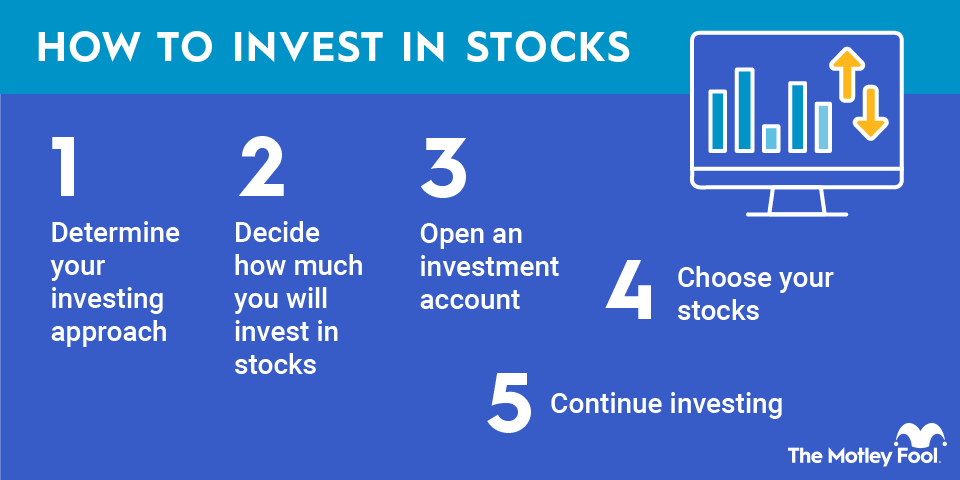
Investing in the stock market can seem daunting, especially for beginners eager to grow their wealth without falling into the common pitfalls that lead to losses. With a plethora of information available, understanding where to start is crucial. In this guide, we’ll walk you through essential steps that not only simplify the process but also help you make informed decisions. From grasping the fundamentals of stock investment to setting clear goals, researching effectively, and learning to manage risks, you’ll gain the confidence needed to invest in stocks wisely. Join us as we explore practical strategies that can pave the way for a sustainable and profitable investing journey.
Understanding the Basics of Stock Investment
Navigating the world of stock investment can feel overwhelming, especially for beginners. Investing in stocks involves purchasing shares of a company, giving you partial ownership and a claim on its profits. Here are some fundamental concepts to consider:
| Term | Definition |
|---|---|
| Stocks | Equity investments in companies, usually traded on exchanges. |
| Bull Market | A period of rising stock prices, signaling investor optimism. |
| Bear Market | A period of declining stock prices, indicating investor pessimism. |
| Dividends | Payments made to shareholders from profits, often quarterly. |
| Market Capitalization | Total value of a company’s shares, indicating its size and worth. |
Understanding these terms helps you grasp how investing in stocks works and prepares you for making informed decisions. Commencing your investment journey with a solid grasp of these basics will build a sturdy foundation for future growth and strategy. Start small, stay informed, and always think critically about your investment choices.
Setting Your Investment Goals
Setting clear investment goals is crucial for anyone looking to Invest in Stocks successfully. Without defined objectives, it becomes challenging to measure your progress and make informed decisions. Here are some essential points to consider when establishing your goals:
| Goal Type | Description |
|---|---|
| Short-term Goals | Focus on quick gains, usually within one year. Ideal for traders looking to capitalize on market fluctuations. |
| Medium-term Goals | Typically span 1-5 years for growing wealth through a balanced approach. Great for individuals saving for major life events. |
| Long-term Goals | Aim for sustained growth over 5 years or more. Perfect for retirement savings and building generational wealth. |
To effectively set your goals, consider factors such as time horizon, risk tolerance, and financial needs. By aligning your investment strategy with your specific objectives, you increase your chances of success while minimizing the risk of loss. Remember, clear goals provide direction and motivation, making your investment journey more rewarding.
Researching Stocks Effectively
Researching stocks effectively is a crucial step in your investment journey. Start by gathering information about potential stocks from reliable sources such as financial news websites, stock market apps, and analysts’ reports. Utilize fundamental analysis, which looks at a company’s financial health, earnings reports, and growth potential, to pinpoint robust investment opportunities. Additionally, technical analysis examines historical price movements and chart patterns to aid in timing your purchases.
To streamline your research, consider creating a comparison table that lists key metrics of the stocks you’re interested in, such as:
| Stock Name | Price to Earnings Ratio | Market Capitalization | Dividend Yield |
|---|---|---|---|
| Company A | 15 | $50 billion | 2.5% |
| Company B | 20 | $30 billion | 1.8% |
| Company C | 10 | $20 billion | 3.0% |
This visual aid makes it easier to assess and compare different stocks, helping you make informed decisions. Finally, don’t hesitate to invest in stocks that align with your research findings and overall financial goals.
Diversifying Your Portfolio
Diversification is a pivotal strategy for mitigating risk when you decide to Invest in Stocks. It involves spreading your investments across various assets rather than putting all your funds into a single stock or sector. This approach helps cushion against market volatility. Below are some key points to consider:
| Key Points | Explanation |
|---|---|
| Asset Classes | Invest in different asset classes like stocks, bonds, and real estate to balance your risk. |
| Industry Sectors | Allocate funds across various industries such as technology, healthcare, and finance for stability. |
| Geographic Locations | Consider international stocks along with domestic investments to diversify further and tap into various economic conditions. |
| Investment Styles | Combine growth stocks and value stocks to capture varying market dynamics and performance trends. |
By diversifying thoughtfully, you not only maximize your potential returns but also create a more resilient investment strategy. Remember, Invest in Stocks wisely, and always assess your portfolio’s balance to maintain a healthy risk-reward profile.
Implementing Risk Management Strategies
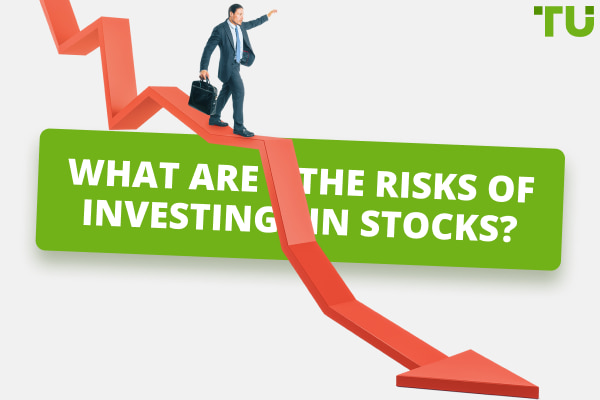
Risk management is critical when you embark on your journey to invest in stocks. By understanding and applying effective strategies, you can protect your investments and minimize potential losses. Here are several key tactics to consider:
| Strategy | Description |
|---|---|
| Set Stop-Loss Orders | Automatically sell stocks at a predetermined price to limit losses. |
| Position Sizing | Allocate a specific percentage of your portfolio to individual stocks to avoid overexposure. |
| Regular Portfolio Review | Continuously assess your portfolio to make informed adjustments based on market trends. |
| Use Diversification | Invest in various sectors and asset classes to spread risk. |
| Keep Adequate Liquidity | Maintain a portion of your portfolio in cash to exploit opportunities or weather downturns. |
By employing these risk management strategies, you not only strengthen your investment approach but also gain the confidence to invest in stocks wisely. Remember, minimizing losses is as crucial as striving for gains.
Learning from Mistakes and Gaining Experience
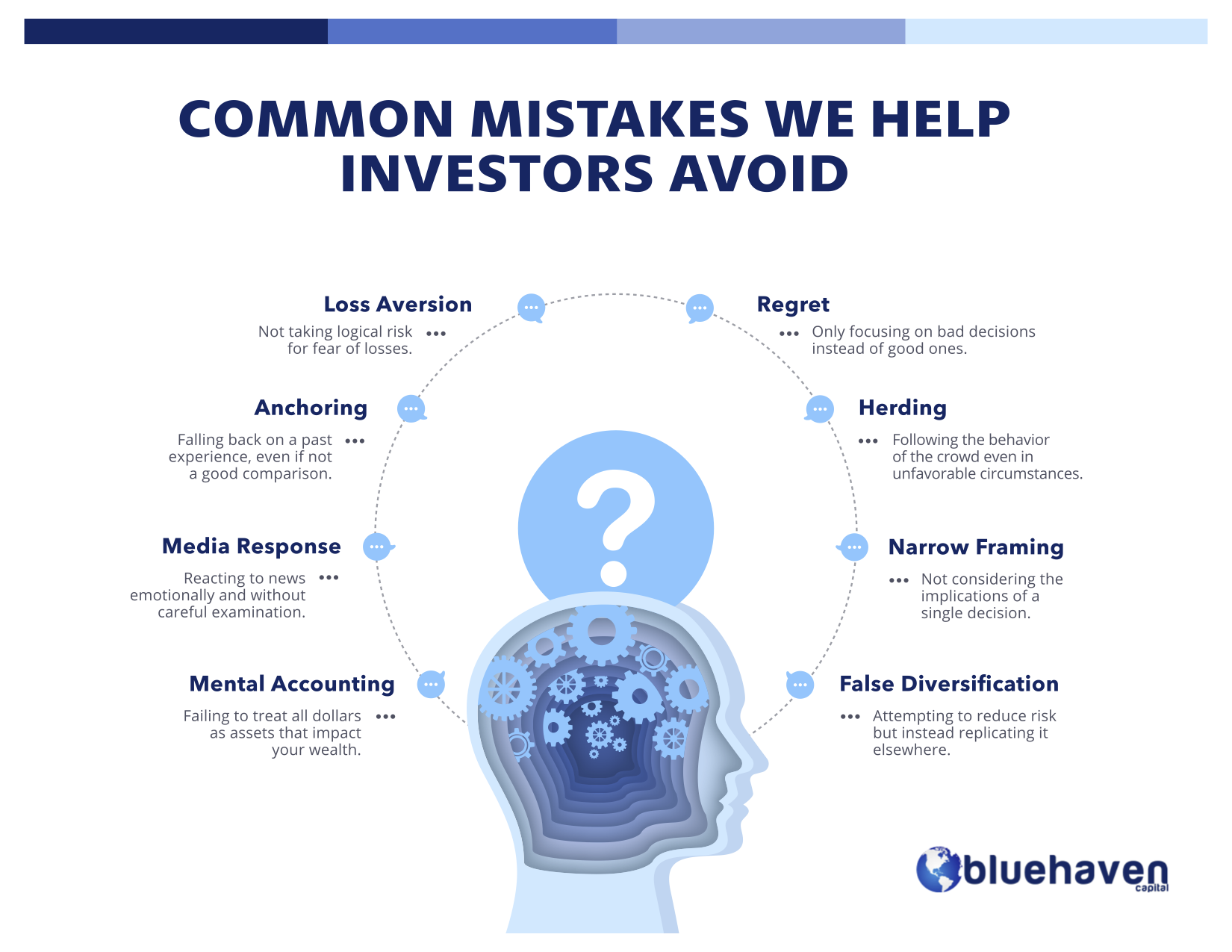
One of the most valuable components of the investment journey is learning from your mistakes. Take note of your early decisions, whether they involve underestimating the market or choosing the wrong stocks. Each misstep provides an opportunity for growth.
Additionally, gaining experience through practice is crucial. Start small to minimize risk and gradually increase your stake as you become more comfortable. By maintaining a reflective investment journal, you can track your progress, evaluate strategies, and adjust your approach accordingly.
Here’s a simple comparison:
| Mistake | Lesson Learned |
|---|---|
| Investing too much | Start small to manage risk better |
| Ignoring research | Always conduct thorough research |
| Panic selling | Stay calm and review your strategy |
Ultimately, investing in stocks requires patience and the ability to adapt. Embrace mistakes as stepping stones toward becoming a savvy investor.
Frequently Asked Questions
What are the basic concepts I should understand before investing in stocks?
Before diving into stock investment, it’s essential for beginners to familiarize themselves with key concepts like stock types (common vs. preferred), market indices (like S&P 500 and Dow Jones), and essential terminology such as dividends, market capitalization, and P/E ratios. Understanding these fundamentals will provide a solid foundation for analyzing stocks and making informed decisions. Additionally, grasping the difference between long-term and short-term investments is vital to align your investment goals with your financial strategy.
How can I minimize my risk when investing in stocks?
Minimizing risk while investing in stocks can be accomplished through several strategies. Firstly, diversification is key; by spreading your investments across various sectors and asset types, you reduce the impact of a poor performer on your overall portfolio. Secondly, conducting thorough research on any stock you’re considering, including its historical performance, financial health, and market trends, is essential. Lastly, using stop-loss orders can help limit potential losses by automatically selling your shares when they reach a certain price, providing a safety net in volatile markets.
Should I follow stock market trends or stick to my investment strategy?
While staying informed about current market trends can provide valuable insights, it’s crucial for beginners to adhere to their pre-defined investment strategy. Chasing after trends can lead to impulsive decisions based on emotions rather than rational analysis. Instead, focus on a long-term vision grounded in thorough research and your personal financial goals. Developing a disciplined approach, including regular evaluations and adjustments of your portfolio rather than knee-jerk reactions, will likely yield better results over time.
What resources are helpful for learning about stock investing?
There is a wealth of resources available for beginners looking to learn about stock investing. Online platforms like Investopedia and Yahoo Finance provide valuable articles, tutorials, and investment simulators. Books such as ‘The Intelligent Investor’ by Benjamin Graham are classics that offer timeless investment principles. Additionally, joining online investment communities or forums can provide motivation and peer support. Lastly, following reputable financial news outlets and subscribing to investment podcasts can help keep you informed about market outlooks and strategies.