How to Set Financial Goals and Choose the Right Investment Strategy
Navigating the complex world of personal finance can often feel overwhelming, but setting clear financial goals is the cornerstone of a successful financial journey. Understanding the various types of financial objectives and their significance is crucial for creating a roadmap that leads to financial stability and growth. In this guide, we will explore how to assess your current financial situation, establish SMART financial goals, and select the right investment strategy tailored to your aspirations. By aligning your Financial Goals Investment Strategy with your overall financial plan, you can ensure not only clarity but also adaptability as your circumstances evolve. Join us as we delve into the essential steps needed to take control of your financial future.
Understanding Financial Goals: Types and Importance
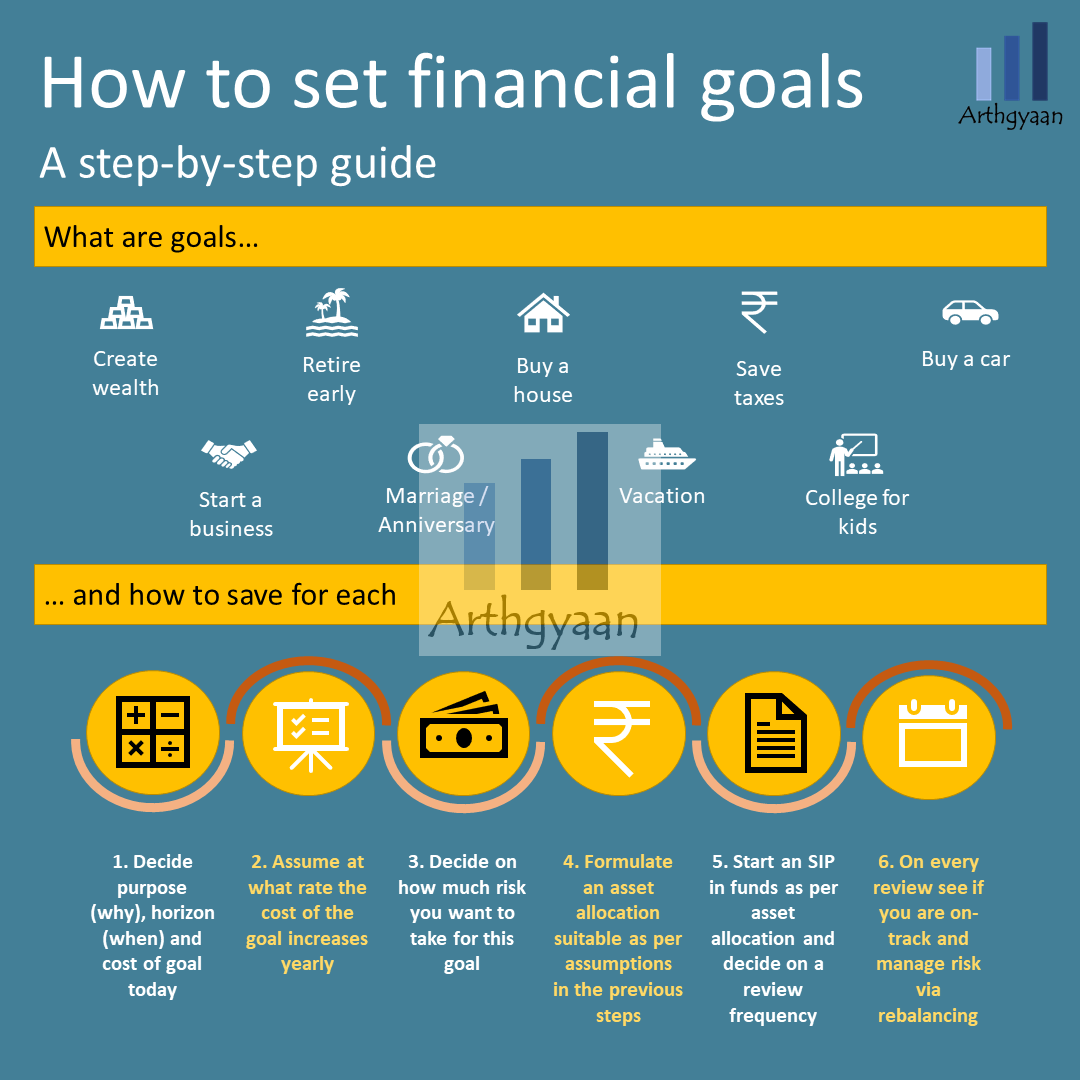
Establishing clear financial goals is crucial for shaping your financial future. These goals not only provide direction but also motivate you to take the necessary steps toward achieving them. Below are the main types of financial goals and their significance:
| Type of Goal | Description | Importance |
|---|---|---|
| Short-term goals | Achievements expected within a year (e.g., saving for a vacation). | Helps in building a savings habit and provides immediate satisfaction. |
| Medium-term goals | Objectives planned for one to five years (e.g., buying a car). | Assists in gaining financial discipline and encourages strategic planning. |
| Long-term goals | Aspirations set for over five years (e.g., retirement savings). | Ensures a secure financial future and promotes thoughtful investment choices. |
By categorizing your Financial Goals Investment Strategy based on these types, you can effectively prioritize and structure your financial planning. Clear goals help assess your current financial situation and align your investment strategies accordingly, making the path to achieving them smoother and more manageable.
Assessing Your Current Financial Situation
Understanding your current financial situation is essential before setting any goals. It provides a clear view of your starting point, allowing you to make informed decisions about your path forward. Here are some essential components to assess:
| Component | Details |
|---|---|
| Income | Determine total monthly earnings from all sources |
| Expenses | Track your monthly expenses to identify spending habits |
| Assets | List all valuable items, including savings and investments |
| Liabilities | Include all debts such as loans, credit cards, and mortgages |
| Net Worth | Calculate by subtracting liabilities from assets |
Gathering this information will help you create a Financial Goals Investment Strategy that aligns with your aspirations. Additionally, this assessment may reveal areas where you can cut costs or increase savings, setting the stage for effective goal setting. Remember, clarity in your current situation is the first step towards achieving financial wellness.
Setting SMART Financial Goals
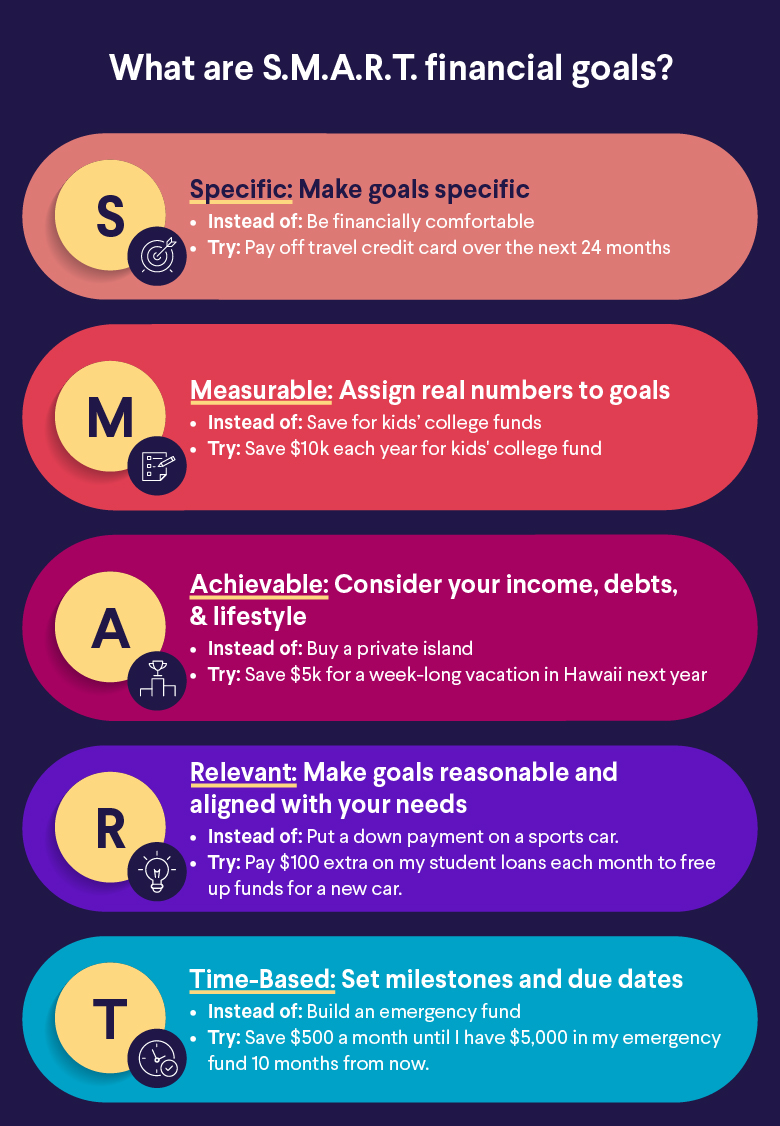
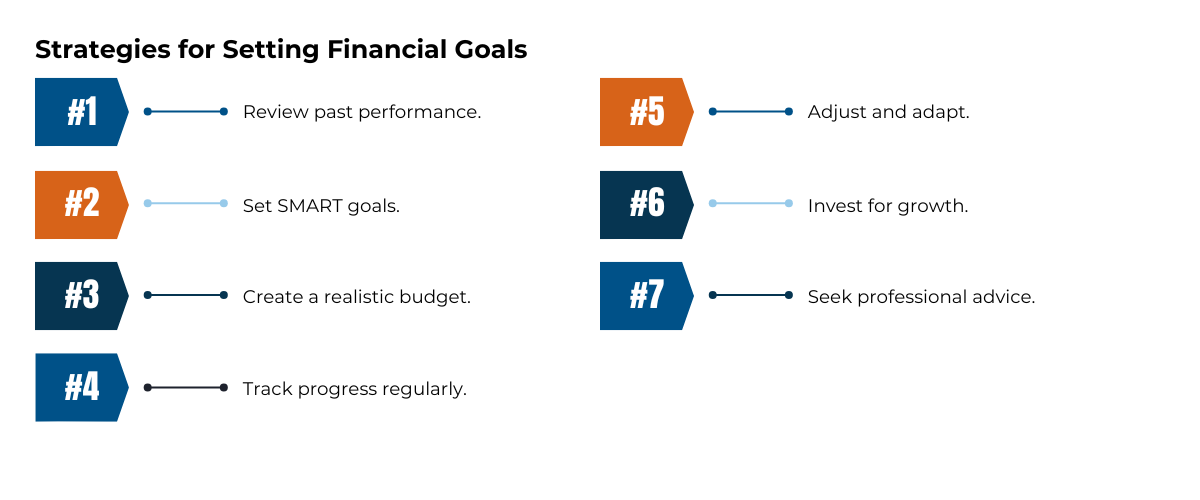
Setting SMART Financial Goals is crucial for achieving your desired financial outcome. Each goal should be Specific, Measurable, Achievable, Relevant, and Time-bound.
- Specific: Clearly define what you want to accomplish. For instance, instead of saying “I want to save money,” say “I want to save $10,000 for a down payment on a home.”
- Measurable: Establish criteria to track your progress. You might track your monthly savings, aiming for a deposit of $833 per month to reach your goal in one year.
- Achievable: Ensure your goal is attainable based on your financial situation. If your current savings rate can only support a $5,000 goal, adjust accordingly.
- Relevant: Align your goals with your broader life objectives. For example, saving for retirement is relevant; buying a luxury car might be less so if it deters your other plans.
- Time-bound: Set a deadline to create urgency. A goal such as “I will save $10,000 in 12 months” creates a defined timeline for success.
Utilizing the Financial Goals Investment Strategy, you can categorize your goals and tailor your investment approaches, ensuring you remain focused and effectively build your wealth over time.
Choosing the Right Investment Strategy
Selecting an effective investment strategy is crucial for achieving your Financial Goals Investment Strategy. Here are key factors to consider when making this important decision:
| Factor | Description |
|---|---|
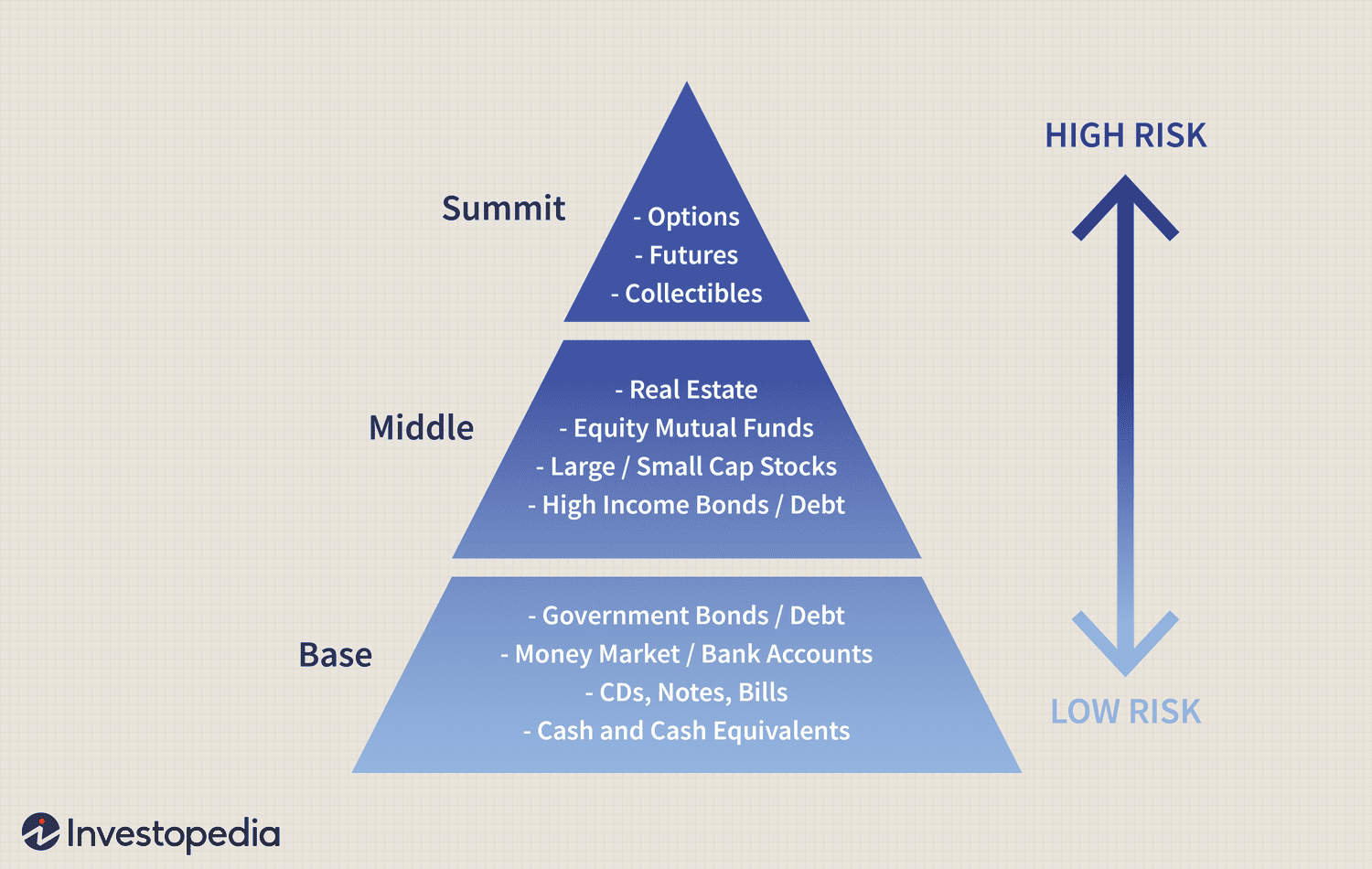
| Risk Tolerance | Assess how much risk you are willing to take. Higher returns often come with higher risks. |
| Investment Horizon | Determine your time frame. Short-term goals may require different strategies compared to long-term ones. |
| Financial Knowledge | Evaluate your understanding of various investment vehicles. Consider consulting a financial advisor if needed. |
| Diversification | Spread your investments across different asset classes to minimize risk. A balanced portfolio can help achieve stability amidst market fluctuations. |
By analyzing these factors, you can tailor a Financial Goals Investment Strategy that aligns with your unique situation, ensuring that your investments work effectively towards your financial aspirations. Staying informed and flexible will also allow you to adjust your strategy as your financial landscape evolves.
Aligning Investment Strategies with Financial Goals
To achieve financial success, it is crucial to ensure your Financial Goals Investment Strategy aligns with your overall objectives. By doing so, you create a roadmap that helps you navigate potential risks and opportunities. Here are some key components to consider:
| Component | Description |
|---|---|
| Time Horizon | Determine your investment duration—short, medium, or long term. |
| Risk Tolerance | Assess how much risk you are willing to take in pursuit of returns. |
| Asset Allocation | Diversify investments across asset classes based on your goals. |
| Investment Vehicles | Choose suitable options like stocks, bonds, or real estate. |
| Periodic Review | Schedule regular reviews to monitor progress and adjust strategies. |
Aligning these components with your goals not only enhances the effectiveness of your Financial Goals Investment Strategy but also helps in building a resilient financial future. Keep these factors in mind to make informed decisions and optimize your investment outcomes.
Monitoring and Adjusting Your Financial Plan
Regular monitoring and adjusting your financial plan are essential steps to ensure you stay on track to achieve your financial goals. Start by setting quarterly or biannual reviews of your investment portfolio. This allows you to assess the performance of your investments and make informed adjustments.
Key Indicators to Monitor:
- Investment Performance: Compare actual growth against your Financial Goals Investment Strategy projections.
- Market Trends: Stay updated on market conditions that may affect your investments.
- Life Changes: Consider personal circumstances such as a new job, marriage, or children that might impact your financial priorities.
Adjustment Checklist:
| Indicator | Action Required |
|---|---|
| Underperforming Assets | Reevaluate or reallocate funds |
| Shifts in Income | Adjust savings and investment amounts |
| New Financial Goals | Update your investment strategy accordingly |
By consistently monitoring your financial landscape and utilizing your Financial Goals Investment Strategy, you can make necessary adjustments that align your investments with your evolving goals. This proactive approach increases your chances of long-term success and financial security.
Frequently Asked Questions
What are the first steps in setting financial goals?
The first step in setting financial goals is to assess your current financial situation. This involves reviewing your income, expenses, savings, and debts to understand where you stand financially. Next, identify both short-term and long-term financial goals, such as saving for retirement, buying a home, or funding education. Once your goals are clear, ensure they are SMART: Specific, Measurable, Achievable, Relevant, and Time-bound, which will help you to create a focused and realistic path to achieve them.
How do I determine the right investment strategy for my financial goals?
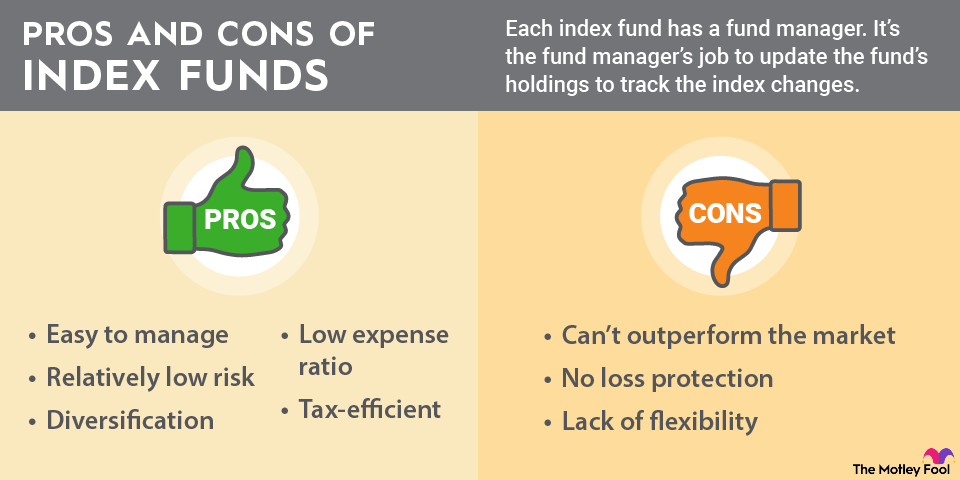
To determine the right investment strategy, start by evaluating your financial goals, risk tolerance, and investment timeline. Consider factors such as how much time you have until you need to access the funds and how comfortable you are with market fluctuations. Diversify your portfolio across various asset classes, including stocks, bonds, and mutual funds, to balance risk and reward. Additionally, research and educate yourself on different strategies—such as value investing or dollar-cost averaging—to find what aligns best with your objectives.
How often should I review my financial goals and investment strategy?
It’s recommended to review your financial goals and investment strategy at least annually or whenever there is a significant life change, such as a new job, marriage, or having children. Regular reviews help ensure that your goals remain relevant and realistic and that your investment strategy aligns with market conditions and your current financial situation. Adjustments may be necessary if you encounter unexpected expenses or if you make progress toward your goals, ensuring you stay on track.
What role does risk tolerance play in setting financial goals?
Risk tolerance plays a crucial role in setting financial goals as it dictates how aggressive or conservative your investment strategy should be. Understanding your risk tolerance helps you choose investments that match your comfort level with potential losses and gains. For example, if you have a high risk tolerance, you might opt for growth stocks or aggressive mutual funds, whereas a low risk tolerance may lead you to prefer bonds or more stable investments. Aligning your financial goals with your risk tolerance ensures a more sustainable and fulfilling investing experience.