How to Use Data-Driven Analysis to Improve Investment Decisions
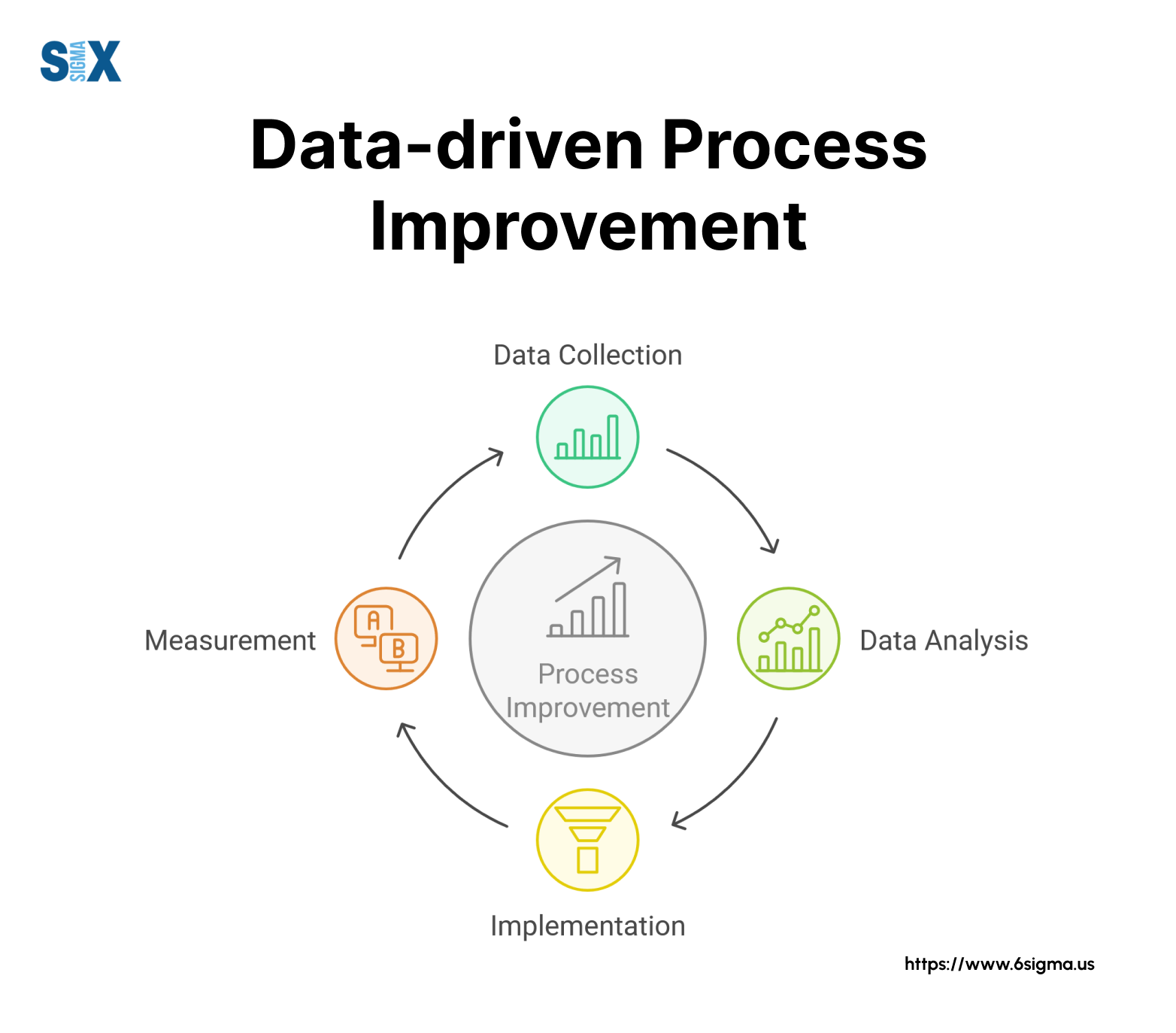
In today’s fast-paced financial landscape, making informed investment decisions can be a daunting task. Investors are increasingly turning to Data-Driven Analysis to navigate market complexities and uncover hidden opportunities. By leveraging key metrics, diverse data sources, and advanced analytical tools, individuals and institutions alike can enhance their investment strategies significantly. In this blog post, we will explore the essential components of data-driven analysis, from understanding critical metrics and sourcing reliable data, to deploying effective techniques for analysis. We will also delve into real-world case studies that highlight successful applications of these insights in investment decision-making. Get ready to transform your approach to investing through the power of data!
Understanding Data-Driven Analysis
Data-Driven Analysis empowers investors by leveraging quantitative data to enhance decision-making. This analytical approach focuses on using facts, statistics, and metrics rather than intuition or subjective judgment. Here are some key aspects to consider:
- Definition: Data-Driven Analysis entails collecting and analyzing data to inform investment choices.
- Importance:
- Reduces risk through informed decision-making.
- Enhances accuracy by relying on empirical evidence.
- Promotes a systematic approach to investment evaluation.
| Key Concepts | Description |
|---|---|
| Data Collection | Gathering relevant data from dependable sources. |
| Analysis Techniques | Utilizing statistical tools to distill insights. |
| Performance Metrics | Important indicators for evaluating investment success. |
By engaging in Data-Driven Analysis, investors can create a robust strategy that maximizes returns and minimizes risks, leading to better overall performance in the financial markets.

Key Metrics for Investment Evaluation
Evaluating investments requires a keen understanding of essential metrics that provide insights into performance. Key metrics serve as indicators, guiding investors in making sound decisions. Below are some critical metrics to consider:
| Metric | Description |
|---|---|
| Return on Investment (ROI) | Measures the profitability of an investment relative to its cost. |
| Price-to-Earnings (P/E) Ratio | Compares a company’s current share price to its earnings per share, indicating valuation. |
| Debt-to-Equity Ratio | Indicates the proportion of debt used to finance a company’s assets, reflecting financial stability. |
| Dividend Yield | Assesses the dividend income relative to the share price, showing income potential. |
| Market Capitalization | Represents the total market value of a company’s outstanding shares, signifying company size. |
Utilizing these metrics in a Data-Driven Analysis empowers investors to compare different opportunities effectively and makes informed choices that align with their financial goals. With the right metrics, the path to optimized investment strategies becomes clearer and more actionable.
Data Sources for Investment Analysis
When it comes to Data-Driven Analysis, the quality and reliability of your data sources play a crucial role in making informed investment decisions. Here are some key types of data sources to consider:
| Data Source Type | Description |
|---|---|
| Market Data | Provides real-time information on stock prices, trading volumes, and market trends. Sources include exchanges and financial news aggregators. |
| Fundamental Data | Involves financial statements, earnings reports, and balance sheets from companies; essential for evaluating corporate health. |
| Economic Indicators | Government reports on inflation, unemployment, and GDP growth help assess the economic environment. |
| Alternative Data | Non-traditional datasets, such as social media sentiment or web traffic statistics, can provide unique insights into investment potential. |
Utilizing a diverse range of data sources enhances your Data-Driven Analysis, allowing for a comprehensive view of the investment landscape. By leveraging multiple sources, investors can validate information and gain a competitive edge in their decision-making processes.
Tools and Techniques for Data Analysis
When it comes to optimizing investment decisions, leveraging the right Data-Driven Analysis tools and techniques is essential. Here are some popular options to consider:
- Spreadsheet Software (e.g., Excel, Google Sheets)
- Easy to use for basic data analysis
- Allows for custom formulas and pivot tables
- Statistical Software (e.g., R, Python)
- Offers advanced analytics and visualization capabilities
- Ideal for large datasets and complex calculations
- Data Visualization Tools (e.g., Tableau, Power BI)
- Turn raw data into insightful visuals
- Simplifies trends and patterns identification
- Financial Analysis Platforms (e.g., Bloomberg Terminal)
- Provides in-depth market insights and indicators
- Integrates real-time data for informed decisions
For a better understanding of these tools, refer to the table below:
| Tool/Technique | Key Feature | Best Use Case |
|---|---|---|
| Spreadsheet Software | Custom formulas, pivot tables | Beginner-friendly analysis |
| Statistical Software | Advanced stats, data modeling | Large dataset analysis |
| Data Visualization Tools | Interactive dashboards | Trend and pattern recognition |
| Financial Analysis Platforms | Real-time data, comprehensive insights | Professional-grade financial analysis |
By effectively utilizing these tools and techniques, investors can enhance their Data-Driven Analysis capabilities and make more informed decisions.
Applying Insights to Investment Strategies
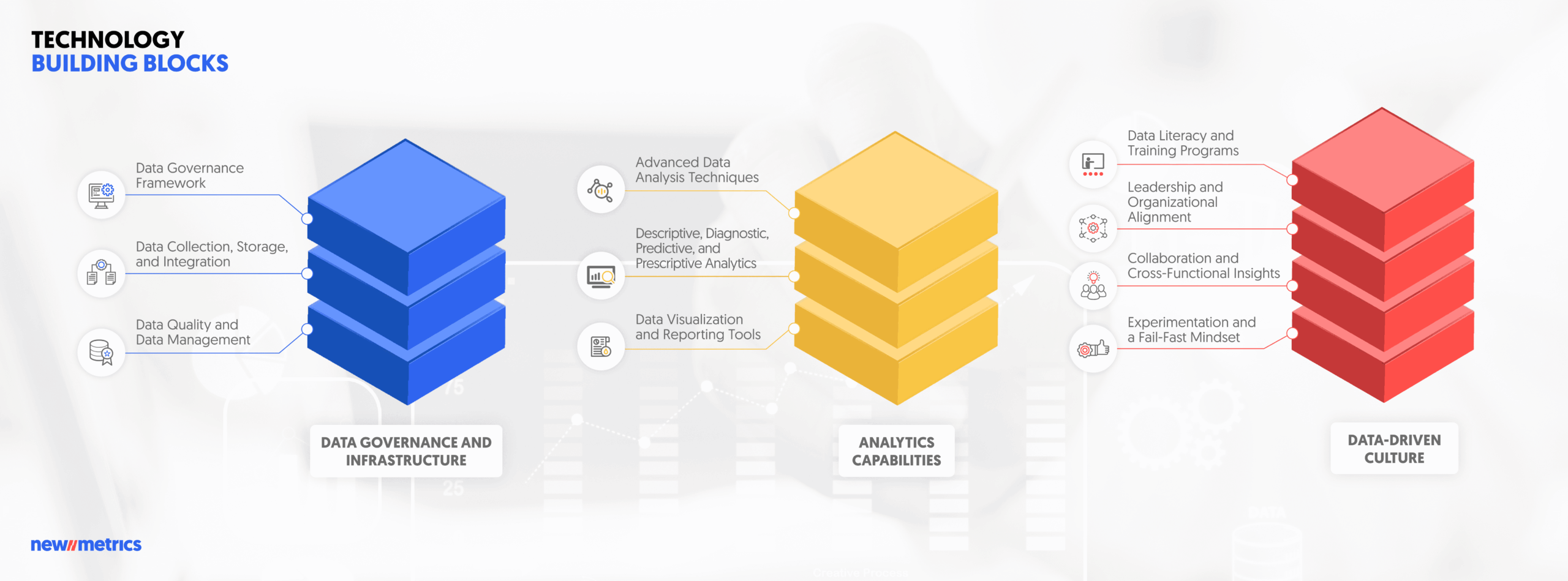
Incorporating Data-Driven Analysis into investment strategies can significantly enhance decision-making. By leveraging insights from data, investors can refine their approaches and achieve better outcomes. Here are essential steps to apply these insights:
| Step | Description |
|---|---|
| Identify Trends | Analyze historical data to uncover patterns that indicate potential market movements. |
| Risk Assessment | Utilize data to evaluate risks associated with various investment opportunities. |
| Portfolio Diversification | Allocate assets based on insights derived from data to minimize risk and maximize returns. |
| Performance Monitoring | Regularly track and adjust strategies by monitoring investment performance using data analytics. |
By applying these insights, investors can adapt their strategies to align more closely with market realities, ultimately leading to a more informed and strategic investment process. Embracing Data-Driven Analysis allows for proactive adjustments, ensuring your investments remain competitive and resilient.
Case Studies: Success Stories in Data-Driven Investing
Real-world examples highlight the power of Data-Driven Analysis in transforming investment strategies. For instance, a leading hedge fund used advanced analytics to predict market trends, resulting in a 20% increase in their portfolio’s annual returns. They leveraged historical data, refined predictive algorithms, and regularly updated their models.
| Case Study | Investment Strategy | Results |
|---|---|---|
| Hedge Fund A | Trend Prediction | +20% annual returns |
| Tech Startup B | Customer Behavior Analysis | +15% revenue growth |
| Real Estate Firm C | Market Analysis | +25% investment accuracy |
Moreover, a tech startup utilized customer behavior analysis to refine its investment in growth opportunities, leading to a remarkable 15% revenue growth. Similarly, a real estate firm incorporated market analysis which resulted in a precise 25% increase in investment accuracy. These cases illustrate how effective Data-Driven Analysis can yield substantial benefits and optimize investment decisions.
Frequently Asked Questions
What is data-driven analysis and how does it relate to investment decisions?
Data-driven analysis involves using quantitative data to inform decision-making processes. In the context of investment decisions, it allows investors to analyze historical trends, market behaviors, and financial metrics to make more informed choices. By leveraging data, investors can identify patterns that indicate potential opportunities or risks, ultimately improving the quality of their investment decisions. This method contrasts with reliance on intuition or anecdotal evidence, leading to more consistent and reliable outcomes.
What types of data should investors focus on for effective analysis?
Investors should prioritize various types of data, including historical stock prices, corporate earnings reports, economic indicators (like GDP and unemployment rates), and industry-specific metrics. Additionally, qualitative data such as news articles, analyst reports, and social media sentiment can provide context to the quantitative findings. Combining these data sets allows investors to form a comprehensive view of market conditions and potential investment performance, enhancing the predictive accuracy of their analyses.
How can technology facilitate data-driven analysis in investment decision-making?
Technology plays a crucial role in facilitating data-driven analysis through advanced analytics tools and software. Platforms that offer real-time data visualization, algorithmic trading, and big data processing empower investors to quickly analyze large amounts of information. Machine learning algorithms can also identify trends and anomalies within vast data sets, providing insights that may not be immediately obvious. Furthermore, automated reporting tools can save time and improve accuracy in tracking investment performance.
What are some common mistakes to avoid when using data-driven analysis for investments?
Common mistakes include over-relying on historical data without considering current market dynamics, ignoring qualitative factors that can impact performance, and failing to account for data bias or inaccuracies. Additionally, investors should be wary of ‘data overload,’ where too much information leads to confusion rather than clarity. It’s essential to maintain a balanced approach, integrating both quantitative and qualitative insights to make well-rounded investment decisions.