Best Low-Risk Investment Options for Beginners
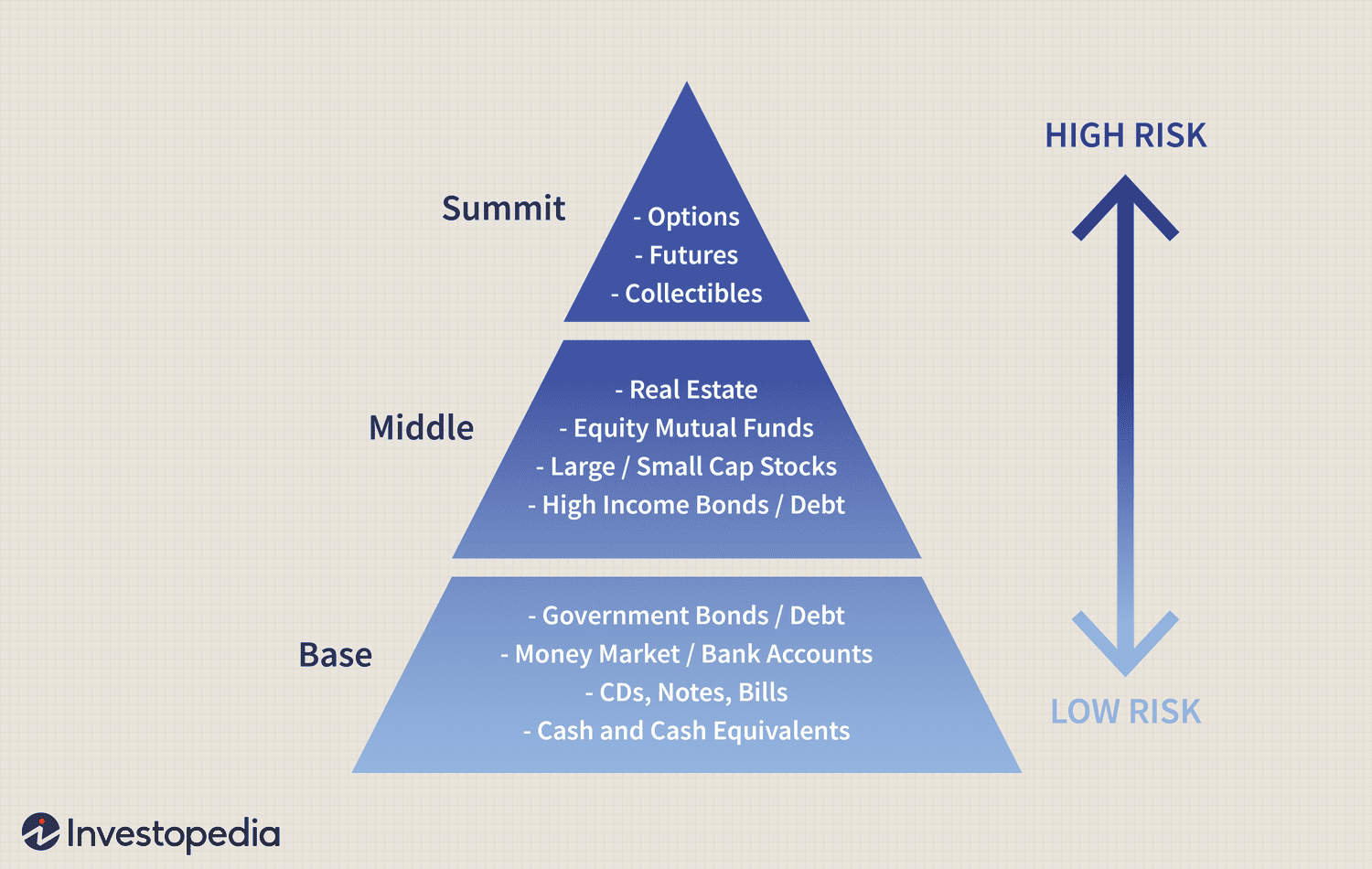
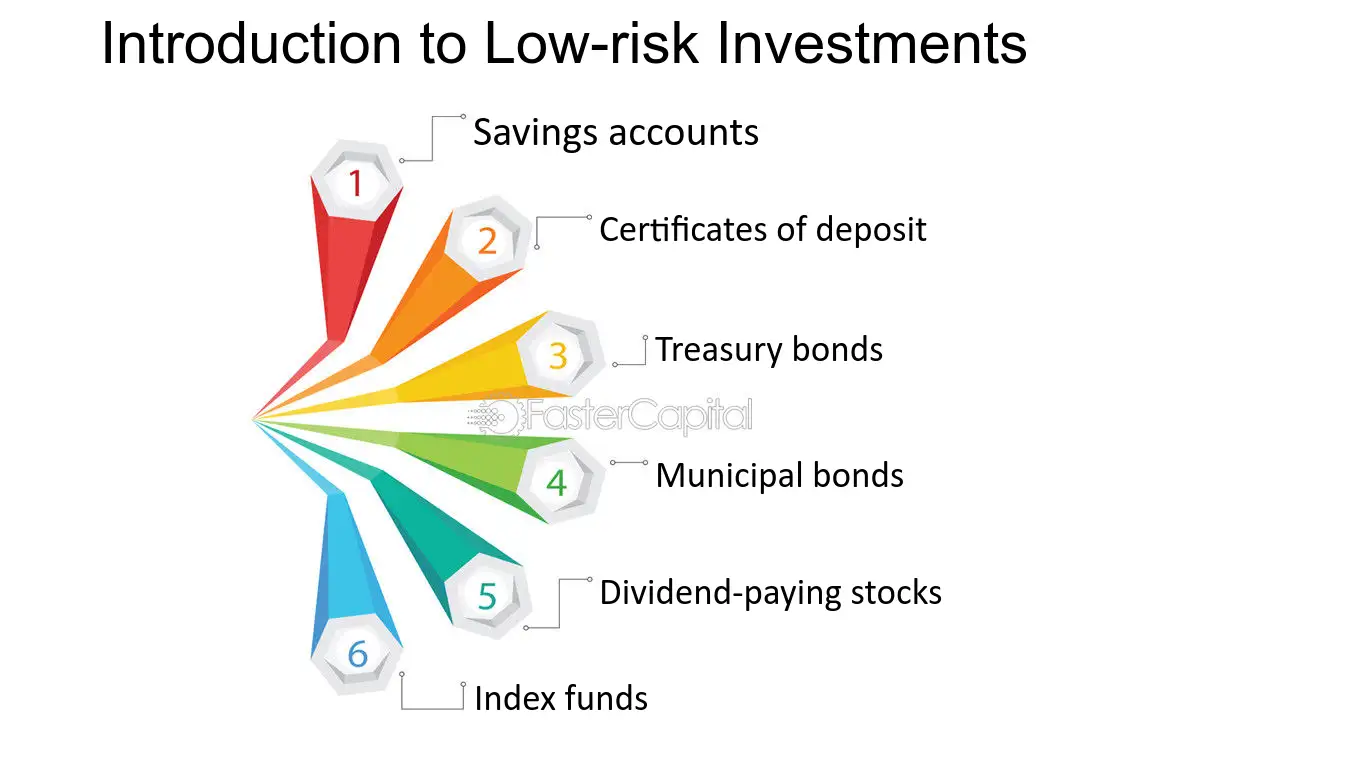
Investing can often feel daunting, especially for beginners who are navigating the complex financial landscape. If you’re looking to grow your wealth without exposing yourself to excessive risk, focusing on Low-Risk Investment Options is a smart move. These investments not only provide a sense of security but also offer steady growth potential, making them ideal for those who may be new to the world of investing. In this blog post, we’ll explore the various low-risk avenues available, from savings accounts to government securities, helping you make informed decisions that align with your financial goals.
Understanding Low-Risk Investments
Low-risk investments are financial instruments that offer a more stable return with minimal chance of losing your principal investment. They are particularly suitable for beginners who prioritize preserving their capital while gradually growing their savings. Here are some essential aspects of low-risk investments:
| Key Aspect | Description |
|---|---|
| Stability | They provide consistent returns over time, reducing volatility. |
| Preservation of Capital | Investors can protect their principal amount, minimizing losses. |
| Predictable Income | Many low-risk options generate regular income through interest or dividends. |
| Ideal for Beginners | Suitable for novice investors seeking to gain confidence and knowledge in investing. |
By understanding these elements, beginners can make informed decisions and build a solid foundation for their future investment strategies in low-risk investment options.
Benefits of Low-Risk Investment Options
Investing can be a daunting task, especially for beginners. However, opting for safer investment choices offers numerous advantages that can ease anxiety and encourage financial growth. Here are some key benefits:
| Benefit | Description |
|---|---|
| Stability | Low-risk investments tend to have less volatility, providing peace of mind. |
| Predictable Returns | These options often yield more consistent and reliable returns, making it easier to forecast your financial future. |
| Safety | Many low-risk choices, such as government bonds or savings accounts, are backed by reliable entities, minimizing the chance of losing your principal investment. |
| Accessibility | These investment avenues are often easy to open and manage, making them ideal for beginners. |
| Diversification | They provide a solid foundation for a diversified investment portfolio, helping to mitigate risks associated with higher-risk assets. |
By embracing safer investment alternatives, new investors can enjoy a more comfortable journey while building their financial literacy and confidence.
Savings Accounts and High-Yield Accounts
When embarking on your investment journey, savings accounts and high-yield accounts serve as an excellent starting point for beginners. Savings accounts are typically offered by banks and credit unions, providing a safe place to store cash while earning modest interest. While the interest rates may be lower, funds are easily accessible and insured by the FDIC, making it a secure option.
On the other hand, high-yield savings accounts can deliver significantly higher interest rates compared to traditional savings accounts. Often provided by online banks, these accounts take advantage of lower overhead costs to pass on savings to customers. For example, the table below contrasts the two account types:
| Account Type | Average Interest Rate | Accessibility | FDIC Insured |
|---|---|---|---|
| Savings Account | 0.01% – 0.10% | Easy | Yes |
| High-Yield Account | 0.50% – 2.00% | Easy (online only) | Yes |
In summary, both savings accounts and high-yield accounts offer a stable, low-risk environment for your funds, making them ideal for those just starting to explore investment opportunities.
Government Bonds and Treasury Securities
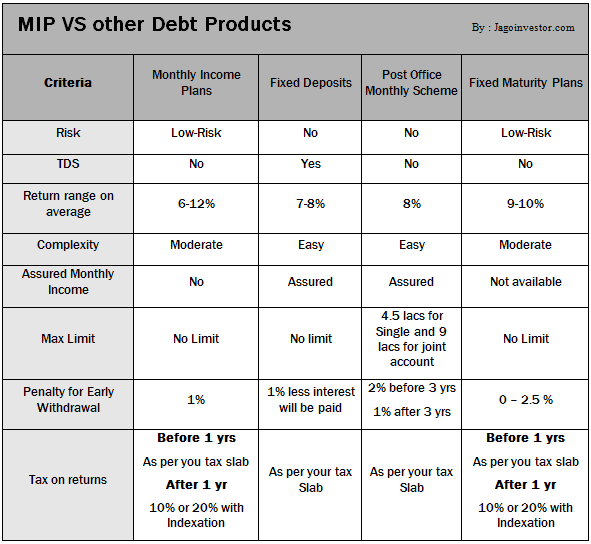
Government bonds and treasury securities are prominent Low-Risk Investment Options for beginners seeking stability. These instruments are backed by the government, minimizing the risk of default. They come in various forms, including:
| Type | Description | Duration |
|---|---|---|
| Treasury Bills | Short-term securities with maturities up to one year | 4 weeks to 1 year |
| Treasury Notes | Medium-term options that pay interest every six months | 2 to 10 years |
| Treasury Bonds | Long-term bonds offering fixed interest over time | 20 to 30 years |
By investing in government bonds and treasury securities, individuals receive predictable returns, making them ideal for risk-averse investors. Furthermore, they often provide tax advantages, enhancing overall performance. In essence, they allow savvy beginners to grow savings securely while minimizing exposure to market volatility.
Certificate of Deposits (CDs)
Certificate of Deposits (CDs) are ideal for those seeking a safe and predictable way to grow their money. Unlike regular savings accounts, CDs typically offer higher interest rates with the trade-off of locking in funds for a specific term. Here’s a breakdown of their key features:
| Feature | Description |
|---|---|
| Term Length | Ranges from a few months to several years |
| Interest Rates | Generally higher than traditional savings accounts |
| Accessibility | Funds are inaccessible until the maturity date |
| FDIC Insurance | Most are insured by the FDIC (up to $250,000 per depositor) |
Investing in CDs is a low-risk investment option that suits beginners well, as they provide a guaranteed return without market volatility. Moreover, they can help build a structured saving habit while still earning interest over time.
Diversifying with Low-Risk Mutual Funds
Diversification is a key strategy for managing risk in an investment portfolio. Low-risk mutual funds offer an excellent opportunity for beginners to grow their wealth without diving into volatile markets. These funds typically invest in a mix of stable assets, such as bonds, blue-chip stocks, and cash equivalents, making them less susceptible to market fluctuations.
| Type of Fund | Risk Level | Potential Returns | Investment Horizon |
|---|---|---|---|
| Bond Funds | Low | Moderate | Short to Long-term |
| Balanced Funds | Low to Moderate | Moderate to High | Medium to Long-term |
| Money Market Funds | Very Low | Low | Short-term |
By opting for low-risk mutual funds, investors benefit from professional management and instant diversification, which can significantly enhance their chances of achieving stable returns. Moreover, these funds are accessible, with many requiring minimal investment amounts, making them ideal for beginners seeking to mitigate risks while still participating in the market. Start your investment journey today by exploring reputable low-risk mutual fund options that align with your financial goals.
Frequently Asked Questions
What are low-risk investment options suitable for beginners?
Low-risk investment options suitable for beginners typically include savings accounts, certificates of deposit (CDs), government bonds, and high-quality corporate bonds. These options are ideal for those who are just starting to invest, as they offer greater stability and lower volatility compared to stocks or mutual funds. By focusing on these safe investments, beginners can develop their investment skills while minimizing potential losses.
How can I determine my risk tolerance before investing?
Determining your risk tolerance before investing is crucial for making informed choices. Start by assessing your financial situation, including your income, expenses, and savings goals. Additionally, consider your investment timeline and how comfortable you are with the possibility of losing money. Many financial advisors recommend using questionnaires or risk assessment tools, which analyze your responses to gauge your willingness to take on risk and match you with suitable investment options.
What is the benefit of investing in bonds for beginners?
Investing in bonds is beneficial for beginners as it provides a steady and predictable income stream. Bonds, particularly government bonds, are generally less risky compared to stocks, making them an attractive option for new investors looking to preserve their capital while earning interest. Furthermore, bonds can diversify an investment portfolio, reducing overall risk by balancing out the volatility associated with equities.
How much should beginners invest in low-risk options?
For beginners, it is advisable to start with a small percentage of their total savings, typically ranging from 10% to 30%, depending on individual financial goals and risk tolerance. This conservative approach allows new investors to gradually acclimate to the market dynamics without overexposing themselves to risk. As confidence and knowledge increase, they can reassess their investment strategy and potentially allocate more funds toward low-risk or higher-risk opportunities.