What Is Finance Monitoring ? Meaning, Benefits & Best Practices
What Is Finance Monitoring Finance monitoring refers to the systematic process of tracking, analyzing, and evaluating financial activities, transactions, performance metrics, and budgetary outcomes within an organization or individual financial framework. In modern economic systems, finance monitoring plays a central role in ensuring fiscal accountability, operational efficiency, strategic planning, and long-term financial sustainability. Whether applied to corporate enterprises, governmental institutions, nonprofit organizations, or personal wealth management, finance monitoring provides stakeholders with the data-driven insights necessary to make informed financial decisions.
This article explores the concept of finance monitoring in depth, examining its principles, applications, tools, strategic importance, and challenges within contemporary financial management.
1. Definition and Core Purpose of Finance Monitoring
Finance monitoring is the ongoing observation and assessment of financial transactions, budgets, expenditures, revenues, assets, liabilities, and cash flows to ensure alignment with predefined financial objectives. The primary purpose of finance monitoring is to maintain financial health and provide transparency regarding monetary performance.
Organizations implement finance monitoring systems to detect irregularities, identify inefficiencies, maintain compliance with regulations, and ensure that spending aligns with strategic priorities. In corporate settings, finance monitoring supports management in evaluating departmental budgets, project profitability, and overall organizational performance.
For individuals, finance monitoring may involve tracking monthly expenses, savings rates, debt obligations, and investment performance. Regardless of scale, the objective remains consistent: to gain continuous visibility into financial activity and maintain control over economic resources.
Without finance monitoring, organizations may struggle with budget overruns, fraud, liquidity shortages, or poor investment decisions. Therefore, it functions as a foundational mechanism for financial discipline and strategic resource allocation.
2. Importance of Finance Monitoring in Business Operations
Finance monitoring is essential for sustaining business operations and supporting long-term organizational growth. Businesses operate in dynamic economic environments where financial conditions can change rapidly due to market volatility, operational costs, or external disruptions. Effective finance monitoring enables timely adaptation.
One of the key benefits of finance monitoring in business is improved decision-making. Executives and financial managers rely on monitored financial data to assess profitability, determine expansion feasibility, optimize operational spending, and allocate capital efficiently.
Additionally, finance monitoring helps organizations maintain liquidity. By tracking incoming and outgoing cash flows, businesses can ensure they possess sufficient funds to meet short-term obligations while planning for future investments.
Finance monitoring also contributes to stakeholder confidence. Investors, creditors, and regulatory bodies expect organizations to demonstrate fiscal responsibility through accurate financial reporting and transparent oversight practices.
Ultimately, finance monitoring transforms raw financial data into actionable intelligence, empowering organizations to respond proactively rather than reactively to financial challenges.
3. Key Components of an Effective Finance Monitoring System
An effective finance monitoring system consists of multiple interconnected components designed to provide comprehensive financial oversight. These components ensure that financial data is accurate, timely, and useful for strategic analysis.
The first component is budget tracking, which compares actual expenditures and revenues against planned budgets. This process helps identify variances and allows corrective action before financial issues escalate.
Second is cash flow monitoring, which assesses the movement of money into and out of an organization. Healthy cash flow is critical for maintaining operations and preventing liquidity crises.
Third is expense analysis, involving the categorization and review of spending patterns to identify wasteful expenditures or cost-saving opportunities.
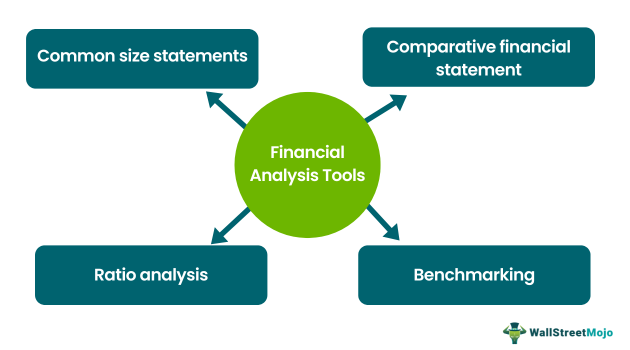
Fourth is financial reporting, where monitored data is compiled into structured reports such as income statements, balance sheets, and variance analyses.
Fifth is risk assessment, which identifies financial vulnerabilities including debt exposure, revenue concentration, and operational dependencies.
Together, these components create a robust framework through which finance monitoring can support informed and strategic financial governance.
4. Tools and Technologies Used in Finance Monitoring
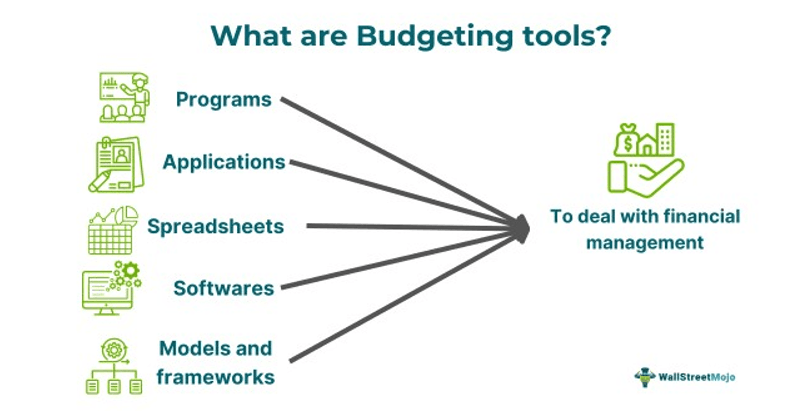
Technological advancements have significantly enhanced finance monitoring capabilities by automating data collection, improving accuracy, and enabling real-time financial analysis.
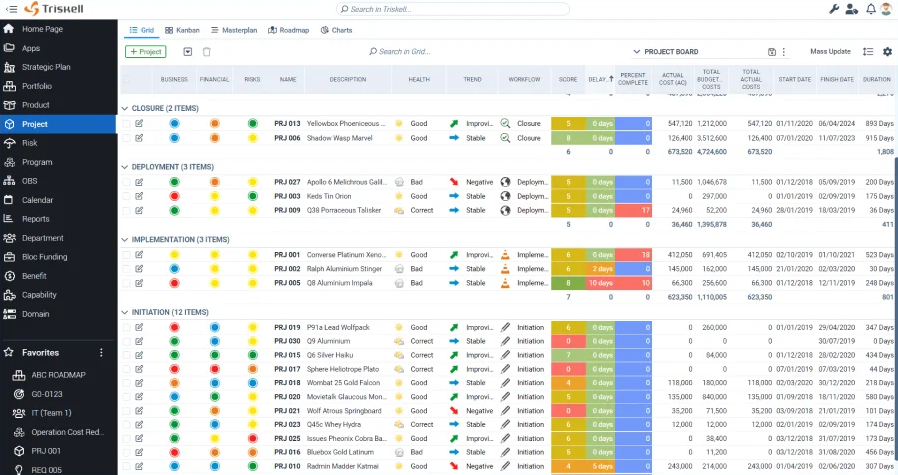
Accounting software platforms such as QuickBooks, Xero, SAP, and Oracle Financials provide integrated finance monitoring tools that track transactions, generate reports, and reconcile accounts automatically.
Enterprise Resource Planning (ERP) systems expand finance monitoring by connecting accounting functions with procurement, payroll, inventory, and operations, offering holistic financial oversight.
Financial dashboards and business intelligence platforms enable visualization of key performance indicators (KPIs), making it easier for decision-makers to interpret trends and anomalies.
Artificial intelligence and machine learning technologies increasingly support finance monitoring by identifying suspicious transactions, forecasting future financial scenarios, and automating anomaly detection.
Cloud-based solutions further improve finance monitoring accessibility by allowing stakeholders to review financial performance remotely and in real time.
These technologies reduce manual workload while increasing the speed, precision, and strategic value of financial oversight.
5. Finance Monitoring and Risk Management
Finance monitoring is closely linked to financial risk management because it enables organizations to identify and mitigate potential threats before they escalate into serious problems.
By continuously monitoring revenues, expenditures, debt levels, and liquidity ratios, organizations can detect early warning signs of financial distress. For example, declining cash reserves or increasing operating expenses may indicate structural inefficiencies requiring intervention.
Finance monitoring also assists in fraud prevention by flagging unusual transaction patterns, unauthorized expenditures, or discrepancies between reported and actual financial data.
In regulated industries, finance monitoring supports compliance with tax laws, reporting standards, and financial governance requirements. Failure to monitor finances effectively may expose organizations to penalties, legal disputes, or reputational damage.
Moreover, finance monitoring helps businesses prepare for economic uncertainty by supporting scenario planning and contingency budgeting.
Thus, finance monitoring serves as a proactive defense mechanism that strengthens resilience against both internal and external financial risks.
6. Challenges Associated With Finance Monitoring
Despite its importance, finance monitoring presents several challenges that organizations and individuals must address to ensure effectiveness.
One common challenge is data fragmentation. Financial information may be spread across multiple systems, departments, or platforms, making comprehensive monitoring difficult without integrated solutions.
Another challenge is data accuracy. Inaccurate or delayed financial records undermine the reliability of finance monitoring and may lead to poor decision-making.
Human error remains a significant issue, particularly in organizations relying heavily on manual bookkeeping or spreadsheet-based tracking systems.
Resource limitations can also hinder finance monitoring, especially in small businesses lacking dedicated finance teams or advanced software infrastructure.
Additionally, interpreting financial data requires expertise. Monitoring data alone is insufficient if decision-makers cannot accurately analyze trends or understand financial implications.
Addressing these challenges requires investment in technology, staff training, process standardization, and internal controls.
7. Future Trends in Finance Monitoring
The future of finance monitoring is being shaped by digital transformation, predictive analytics, and increasing automation. Financial oversight is evolving from retrospective reporting toward proactive and predictive financial intelligence.
Real-time finance monitoring is becoming the standard, enabling organizations to access continuously updated financial dashboards rather than waiting for monthly or quarterly reports.
Artificial intelligence will continue enhancing finance monitoring through automated forecasting, intelligent anomaly detection, and advanced financial modeling.
Blockchain technology may also influence finance monitoring by improving transaction transparency and reducing fraud risk through immutable financial records.
Environmental, Social, and Governance (ESG) considerations are expanding the scope of finance monitoring beyond traditional accounting metrics to include sustainability-related financial impacts.
As financial ecosystems become more complex, finance monitoring will remain a critical discipline for ensuring accountability, agility, and strategic financial management.
Conclusion
Finance monitoring is an indispensable element of effective financial management, encompassing the continuous tracking and analysis of financial performance, transactions, budgets, and risks. By implementing structured finance monitoring processes, organizations and individuals gain enhanced visibility into financial health, improve decision-making, strengthen compliance, and mitigate financial risks.
As digital tools and analytics technologies advance, finance monitoring is becoming increasingly sophisticated, real-time, and predictive. Organizations that invest in robust finance monitoring systems position themselves for greater resilience, transparency, and long-term financial success.
If you want, I can also format this into a Rank Math / WordPress-ready post layout (meta title, meta description, slug, FAQ schema, TOC) for your FinanceDetector site.