How to Invest in Emerging Markets for High Returns
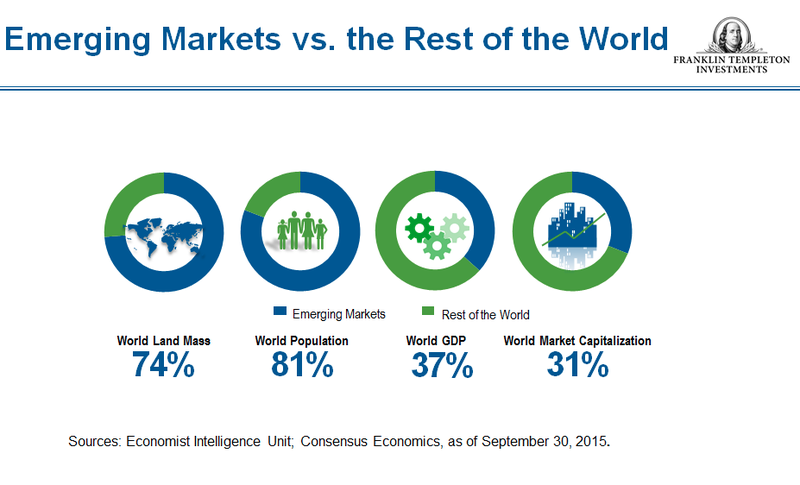
In today’s dynamic global economy, investors are increasingly drawn to the potential for high returns offered by emerging markets. These regions—characterized by rapid growth and expanding consumer bases—hold unique opportunities that can significantly enhance a portfolio. However, navigating these markets comes with its own set of risks that need careful consideration. This blog post will guide you through the essential strategies to effectively invest in emerging markets, helping you identify promising sectors, understand the impact of currency exchanges, and adopt effective diversification practices. Join us as we explore how to monitor and analyze the latest trends that can lead to substantial investment success.
Understanding Emerging Markets: Opportunities and Risks
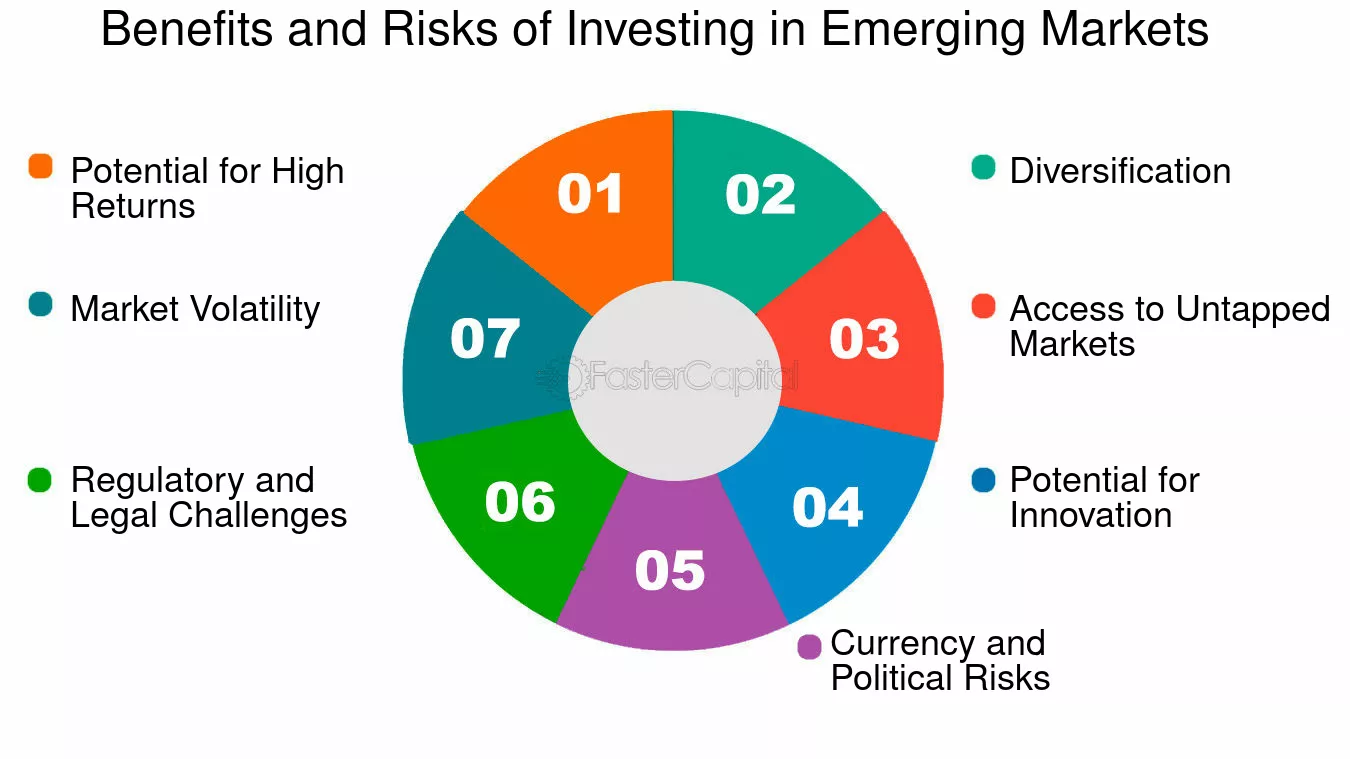
Investing in emerging markets presents a dynamic landscape filled with both significant opportunities and inherent risks. On one hand, these markets often experience robust economic growth, boosted by factors like rising consumer populations and abundant natural resources. This growth can result in exceptional returns for investors who can capitalize on innovative companies poised for expansion.
| Opportunities | Risks |
|---|---|
| High growth potential | Market volatility |
| Diversification benefits | Political instability |
| Access to new consumer markets | Currency fluctuations |
| Innovation and technological advancements | Lack of transparency and regulation |
While the upside is enticing, it’s crucial to remain aware of the risks involved. Risks such as market volatility and political instability can impact investments significantly. Additionally, currency fluctuations may affect returns, emphasizing the importance of thorough research. Thus, to truly invest in emerging markets, one must weigh these opportunities against potential pitfalls carefully.
How to Invest in Emerging Markets: Key Strategies
When considering ways to invest in emerging markets, it’s crucial to adopt strategic approaches that maximize returns while managing risks effectively. Here are some key strategies to consider:
| Strategy | Description |
|---|---|
| Research and Analysis | Conduct thorough research on economic indicators, political stability, and market trends. Examine the performance of local companies and sectors. |
| Utilize ETFs and Mutual Funds | Explore Exchange-Traded Funds (ETFs) and mutual funds focused on emerging markets. These options provide diversification and professional management. |
| Invest in Local Companies | Support local businesses with strong potential for growth. These companies are often more adaptable to market changes and consumer demands. |
| Monitor Currency Fluctuations | Keep an eye on the local currency’s performance, as it can significantly impact investment returns. Currency risk can often be mitigated through currency-hedged investment options. |
| Seek Expert Guidance | Leverage the expertise of financial advisors with experience in emerging markets. They can provide valuable insights and tailored investment strategies. |
By implementing these strategies, investors can effectively navigate the complexities of emerging markets and capitalize on high potential returns.
Identifying Promising Sectors in Emerging Markets
To successfully Invest in Emerging Markets, it is crucial to pinpoint sectors that exhibit substantial growth potential. Technology, for instance, stands at the forefront, as many emerging economies are quickly adopting digital solutions, driving innovation and disruption.
| Sector | Growth Potential | Key Considerations |
|---|---|---|
| Technology | High | Rapid adoption and infrastructure growth |
| Renewable Energy | Increasing | Government initiatives and sustainability focus |
| Consumer Goods | Moderate to High | Rising middle class and spending power |
| Healthcare | High | Aging population and rising healthcare demands |
Moreover, the renewable energy sector is gaining traction as countries seek sustainable solutions. Additionally, healthcare is expanding, fueled by population growth and increased health needs. By focusing on these sectors, investors can capitalize on the dynamic nature of emerging markets. Always perform thorough research and consider local trends before making investment decisions.
The Role of Currency in Emerging Market Investments
When considering investments in emerging markets, understanding currency dynamics is crucial. Fluctuations in local currencies significantly impact returns, making it essential to assess both risks and opportunities. Below are some key factors to keep in mind:
| Factor | Description |
|---|---|
| Currency Volatility | Sudden changes can erode profits or amplify gains. |
| Hedge Options | Consider using currency hedging strategies to mitigate risks. |
| Economic Indicators | Monitor inflation, interest rates, and trade balances that affect currency stability. |
| Geopolitical Influences | Political changes can lead to currency shifts, directly impacting investments. |
In summary, to successfully invest in emerging markets, an investor must remain vigilant regarding currency stability and its implications on overall portfolio performance.
Diversification Strategies for Investing in Emerging Markets
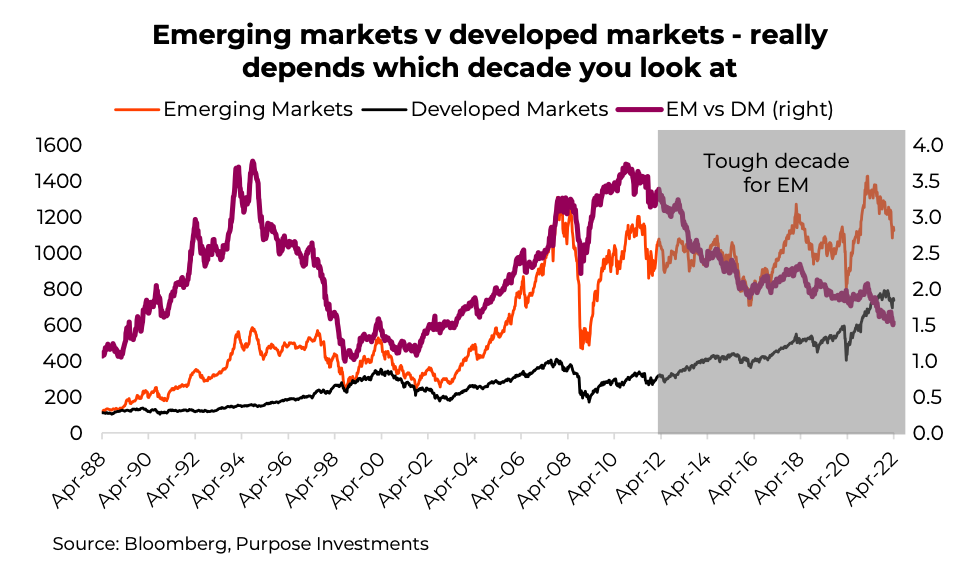
Diversification is crucial when you Invest in Emerging Markets to mitigate risks while optimizing returns. With their inherent volatility, a well-planned approach to diversification can make a significant difference. Consider these effective strategies:
| Strategy | Description |
|---|---|
| Geographical Spread | Invest across various countries to reduce exposure to any single nation’s risk. |
| Sector Diversification | Focus on multiple sectors like technology, healthcare, and consumer goods to counterbalance sector-specific downturns. |
| Asset Class Variety | Include equities, bonds, and real estate to create a balanced portfolio that withstands different market conditions. |
| Investment Vehicles | Utilize mutual funds, ETFs, and direct stocks for a flexible and diversified approach tailored to your risk tolerance. |
| Currency Consideration | Diversify currency holdings to mitigate risks associated with currency fluctuations in emerging markets. |
By strategically implementing these diversification strategies, investors can better navigate the unpredictability of emerging markets while maximizing potential gains. Embracing diversity within your portfolio is essential to capitalize on the low correlation between assets in this dynamic investment landscape.
Monitoring and Analyzing Emerging Market Trends
Monitoring and analyzing market trends are crucial steps when you Invest in Emerging Markets. Stay informed by consistently reviewing economic indicators such as GDP growth, inflation rates, and employment statistics. Additionally, keep an eye on political stability, as it significantly affects market performance.
Tools and Resources: Utilize platforms like Bloomberg and Reuters for real-time data and analysis. They offer insights into sectoral trends, helping you identify which industries are flourishing.
Indicators to Watch: Pay attention to:
| Indicator | Importance |
|---|---|
| GDP Growth Rate | Signs of economic vitality |
| Inflation Rates | Impact on consumer purchasing power |
| Foreign Direct Investment | Influx can indicate market confidence |
By regularly tracking these indicators, you can better strategize your investments and capitalize on opportunities in emerging markets.
Frequently Asked Questions
What are emerging markets and why should I invest in them?
Emerging markets are nations that are progressing toward becoming more advanced, typically characterized by rapid economic growth, industrialization, and improving infrastructure. Investing in these markets can provide opportunities for high returns because they often experience rapid economic expansion that outpaces more established economies. Factors such as higher potential growth rates, untapped resources, and an increasing middle class make these markets attractive to investors looking for substantial returns on their investments.
What are the primary risks associated with investing in emerging markets?
Investing in emerging markets carries various risks, including political instability, currency fluctuations, and the potential for lower liquidity. Political risk refers to the uncertainty regarding the government and political situations of the country, which can affect investments. Currency risk involves the impact of exchange rate fluctuations on returns, which can either enhance or diminish profits. Additionally, emerging markets may experience lower trading volumes, making it harder for investors to buy or sell assets without affecting their prices significantly.
How can I invest in emerging markets?
There are several ways to invest in emerging markets, including purchasing individual stocks of companies based in these nations, investing in mutual funds or exchange-traded funds (ETFs) that focus on emerging markets, or directly buying bonds issued by emerging market governments and corporations. Each option comes with its own level of risk and understanding each investment vehicle’s exposure, costs, and potential returns is crucial before making investment decisions.
What should I consider before investing in emerging markets?
Before investing in emerging markets, consider factors such as your investment goals, risk tolerance, and the economic stability of the target country. It’s essential to conduct thorough research and possibly consult with a financial advisor who understands these markets. Also, be aware of the economic indicators and political climates that might influence market performance. Diversifying your investment portfolio by allocating a portion to emerging markets can help mitigate risks while potentially enhancing overall returns.