Best Budgeting Tools to Control Your Personal Finances
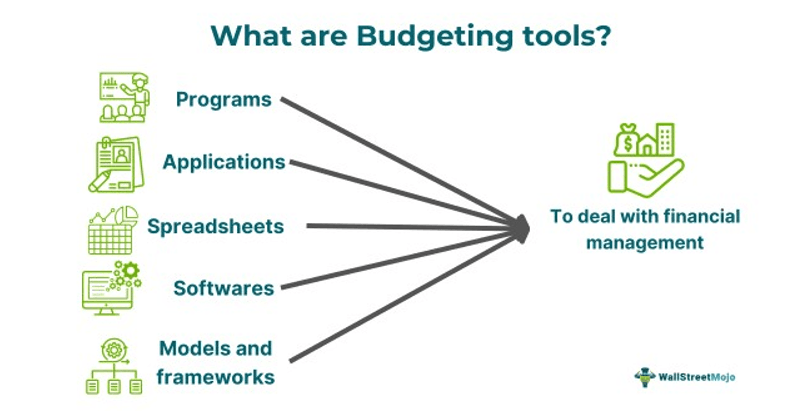
Finding the right way to take control of your personal finances can often feel overwhelming, especially with the myriad of options available today. Luckily, there are effective budgeting tools that cater to a range of needs and preferences, helping you track your spending, set goals, and ultimately gain financial freedom. In this blog post, we will explore the key features to look for in these tools, highlight some of the best free and paid options, and share essential tips for maximizing their benefits. Whether you’re just starting your budgeting journey or looking to refine your current strategy, you’ll find valuable insights to assist you in making informed financial decisions.
Key Features to Look for in Budgeting Tools
When selecting a budgeting tool, it’s essential to focus on features that can enhance your financial planning experience. Here are some key aspects to consider:
| Feature | Description |
|---|---|
| User-Friendly Interface | A simple and intuitive layout helps you navigate your finances effortlessly. |
| Expense Tracking | Monitor your spending in real-time to avoid overspending and stay on track. |
| Goal Setting | Set financial goals to save for vacations, emergencies, or retirement. |
| Reports and Analysis | Access visual insights on your spending habits to make informed decisions. |
| Synchronization | Sync with bank accounts and credit cards for automatic transaction updates. |
| Mobile Application | Use a mobile app to manage your budget on-the-go for ultimate convenience. |
| Security Features | Ensure your data is protected with encryption and secure logins. |
Taking these features into account will empower you to choose budgeting tools that not only fit your needs but also pave the way for effective financial management.
Top Free Budgeting Tools for Personal Finance
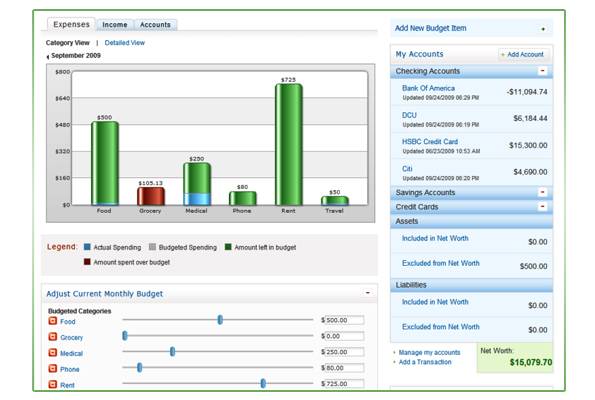
When it comes to managing your finances without breaking the bank, free budgeting tools are invaluable. They offer a wide range of features designed to help you track expenses, set financial goals, and stay organized. Here are some of the top options available:
| Tool | Key Features | Best For |
|---|---|---|
| Mint | Automatic expense tracking, bill analysis | Beginners |
| Personal Capital | Investment tracking, retirement planning | Investors looking to monitor assets |
| YNAB (You Need A Budget) | Zero-based budgeting, goal setting | Users seeking a proactive approach |
| GoodBudget | Envelope budgeting method, mobile app access | Visual budgeters |
| EveryDollar | Simple budgeting, easy setup | Users wanting straightforward tools |
These budgeting tools not only help you take control of your personal finances but also allow you to manage your money effectively without any cost. Explore these options to find the perfect tool that suits your financial needs.
Best Paid Budgeting Tools Worth the Investment
When it comes to managing personal finances, opting for a budgeting tool that offers premium features can prove beneficial. Mint stands out as a top choice, providing detailed tracking, goal-setting options, and personalized insights, all for a small subscription fee. Another excellent option is YNAB (You Need A Budget), which emphasizes proactive budget management, helping users allocate every dollar effectively.
| Tool | Cost | Key Features |
|---|---|---|
| Mint | Free with Ads | Expense tracking, bill reminders, investment tracking |
| YNAB | $14.99/month | Zero-based budgeting, goal tracking, education resources |
| EveryDollar | $12/month | Simple budgeting, goal-setting, easy interface |
| PocketGuard | $7.99/month | Easy visualizations, bill reminders, cash flow insights |
Incorporating these budgeting tools into your financial routine can lead to improved management and a clearer path to your financial goals. Each tool offers unique features and different pricing models, allowing you to choose one that fits your needs best.
How to Choose the Right Budgeting Tool for You
Selecting the perfect budgeting tool tailored to your needs can be transformative in managing your personal finances. Here are key considerations to guide your decision:
- Assess Your Financial Goals: Identify short-term and long-term goals like saving for a vacation or paying off debt.
- Consider Your Budgeting Style: Do you prefer hands-on management or automated tracking? Each style requires different tool features.
- Evaluate User Experience: Look for tools that offer a friendly interface, mobile access, and strong customer support.
- Integration with Other Accounts: Ensure the tool can sync with your bank accounts and credit cards for real-time tracking.
| Feature | Importance | Examples |
|---|---|---|
| Ease of Use | Time-saving and user-friendly | Apps with simple layouts |
| Cost | Budget-friendly options available | Free vs. premium features |
| Customization | Personalizable settings | Tailored budgets and categories |
| Security | Protects sensitive financial data | Bank-level encryption |
By considering these aspects and prioritizing what matters to you most, you’ll find the budgeting tools that align with your financial journey.
Tips for Making the Most of Your Budgeting Tool
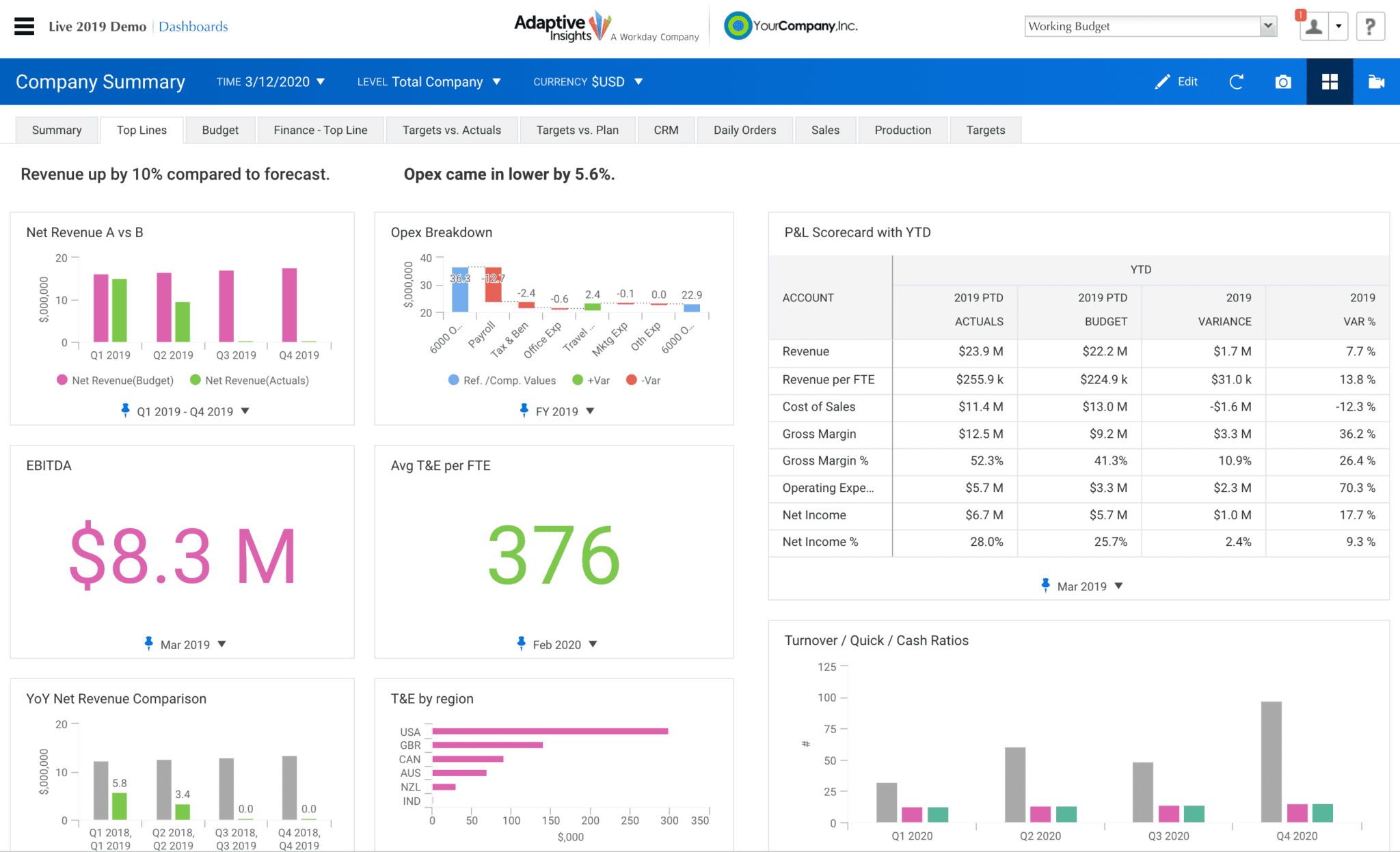
To maximize the benefits of your budgeting tools, consider implementing these essential tips:
- Set Clear Goals: Define specific short-term and long-term financial objectives to give your budgeting process direction.
- Regular Check-ins: Schedule weekly or monthly reviews to track your spending patterns and adjust your budget accordingly.
- Categorize Expenses: Organize your spending into categories like essentials, entertainment, and savings, which helps identify areas to trim.
- Utilize Alerts: Most budgeting tools offer notifications for due payments, budget limits, or unusual spending, keeping you informed and accountable.
- Stay Flexible: Life changes, so your budget should too. Be willing to adapt as your financial situation evolves.
By following these strategies, you’ll not only enhance your budgeting experience but also foster healthier financial habits.
Frequently Asked Questions
What are the top budgeting tools recommended for personal finance management?
Some of the top budgeting tools recommended for managing personal finances include Mint, which offers easy expense tracking and budgeting templates; YNAB (You Need A Budget), known for its proactive approach to budgeting; EveryDollar, with a straightforward interface for creating monthly budgets; and PocketGuard, which helps users track spending and savings goals. Each tool has unique features that cater to different budgeting styles, making them suitable for various users.
How do budgeting tools help in controlling personal finances?
Budgeting tools assist in controlling personal finances by providing users with a clear overview of their income, expenses, and financial goals. These tools allow individuals to categorize their spending, set limits for different categories, and track progress over time. By generating reports and visualizations, budgeting tools can highlight spending patterns, helping users identify areas where they can cut back. Many tools also offer reminders for payments and due dates, ensuring that users stay on top of their financial obligations.
Are budgeting tools really effective for maintaining financial discipline?
Yes, budgeting tools can be quite effective in maintaining financial discipline when used consistently. They encourage users to actively monitor their spending habits by providing immediate feedback on transactions and their impact on the budget. The structured approach of setting goals and limits promotes thoughtful spending and can motivate users to adhere to their financial plans. Additionally, the analytical insights provided by these tools can help individuals understand their financial behaviors better, leading to improved decision-making.
Can budgeting tools be used for both short-term and long-term financial planning?
Absolutely, budgeting tools are versatile and can be used for both short-term and long-term financial planning. For short-term goals, such as saving for a vacation or managing monthly expenses, budgeting tools allow users to set specific limits and track their progress. For long-term planning, such as saving for retirement or a home, these tools help users establish savings targets and monitor their financial health over time. Many budgeting tools incorporate features that assist with forecasting future expenses and income, making them valuable for any financial time horizon.