Free vs Paid Financial Tools: Which One Should You Choose
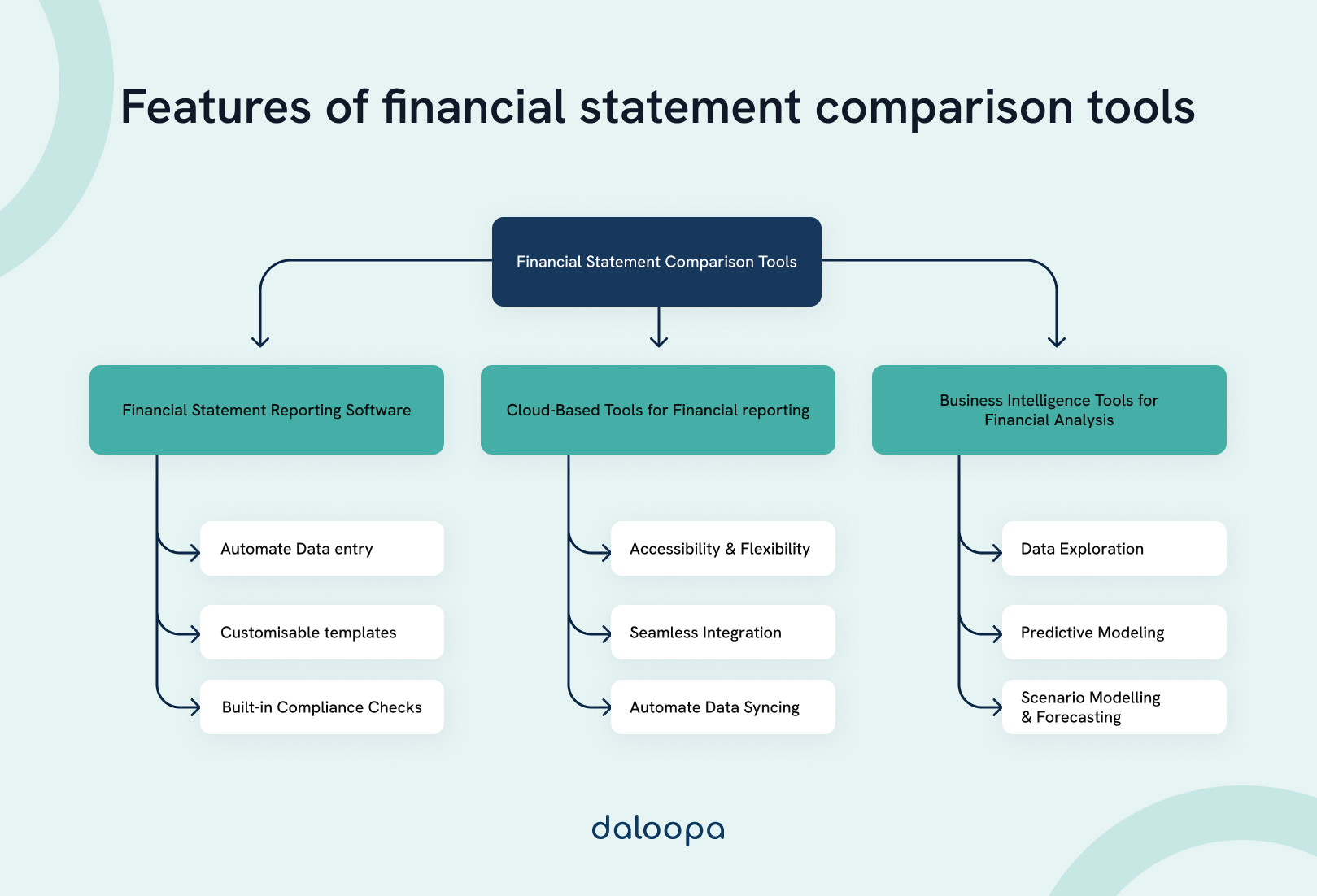
In today’s fast-paced financial landscape, choosing the right tools to manage your finances can feel overwhelming, particularly when deciding between free and paid options. With a myriad of financial tools available, understanding which best suits your needs is crucial for achieving your financial goals. This blog post delves into the essential aspects of financial tools comparison, exploring key features to consider, conducting a thorough cost analysis, and assessing user experiences. We will also examine whether the investment in paid financial tools presents long-term benefits that justify the cost. By the end, you’ll be equipped with the insights needed to make an informed choice tailored to your financial journey.
Overview of Financial Tools: Free vs Paid
When it comes to managing your finances, choosing the right financial tools can make all the difference. Both free and paid options offer unique benefits and drawbacks. Let’s delve into their differences:
Free Financial Tools
- Cost: No financial commitment required.
- Features: Limited functionalities; often lacking advanced features.
- Support: Generally minimal customer support.
- Accessibility: Easy access for anyone; ideal for beginners.
Paid Financial Tools
- Cost: Requires a financial investment.
- Features: Comprehensive features that enhance functionality.
- Support: Typically includes dedicated customer support and regular updates.
- Customization: More options for tailored experiences.
Quick Comparison Table
| Feature | Free Tools | Paid Tools |
|---|---|---|
| Cost | $0 | Monthly/annual subscription |
| Functionality | Basic | Advanced |
| Customer Support | Minimal | Extensive |
| User Personalization | Limited | High |
In summary, the choice between free and paid financial tools hinges on your specific needs, budget, and desired features. A financial tools comparison can help you make an informed decision on which option aligns best with your financial goals.
Key Features to Consider in Financial Tools Comparison
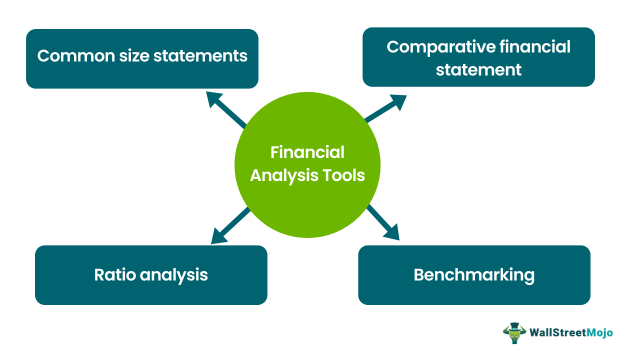
When evaluating financial tools, understanding their key features is essential for making an informed choice. Here are some critical components to consider:
| Feature | Free Tools | Paid Tools |
|---|---|---|
| Functionality | Basic features for budgeting or tracking | Advanced resources and analytics |
| User Support | Limited help via FAQ or community forums | Dedicated support and resources |
| Customization | Few personalization options | Highly customizable dashboards |
| Security | Variable levels of data protection | Enhanced security measures |
| Integrations | Limited API access | Extensive third-party integrations |
By focusing on these facets, you can better assess which financial tool meets your needs. Whether opting for free resources or investing in paid services, aligning features with your financial goals is crucial for optimizing your experience.
Cost Analysis: Are Paid Financial Tools Worth It?
When evaluating financial tools comparison, it’s crucial to analyze costs versus benefits. Paid financial tools often present a higher upfront investment, but they can yield significant advantages. For instance, consider the following aspects:
| Feature | Free Tools | Paid Tools |
|---|---|---|
| Quality of Support | Limited or no support | 24/7 customer service |
| Advanced Features | Basic functionalities | Comprehensive offerings |
| Customization Options | Minimal customization | Extensive customization |
| Security Measures | Basic protection | Robust security |
| Regular Updates | Infrequent updates | Frequent updates |
Investing in paid financial tools might appear costly initially, but these tools often offer enhanced security, better customer support, and additional features that can ultimately save you time and money. It’s essential to weigh the potential long-term savings against the initial expenditure. Doing so will help you determine whether the investment aligns with your financial goals and needs.
User Experience: Free vs Paid Financial Tools
When evaluating financial tools, user experience can significantly influence your choice. Here are some essential aspects to consider:
- Interface Design:
- Free Tools: Often feature basic, straightforward designs.
- Paid Tools: Generally offer more polished, user-friendly interfaces.
- Customer Support:
- Free Tools: Limited or no support available.
- Paid Tools: Typically provide dedicated customer service, ensuring prompt assistance.
- Functionality:
- Free Tools: While decent for basic needs, they may lack advanced features.
- Paid Tools: Often include comprehensive functionalities tailored for sophisticated financial strategies.
| Feature | Free Financial Tools | Paid Financial Tools |
|---|---|---|
| Interface Design | Basic and user-friendly | Polished and intuitive |
| Customer Support | Limited or none | Comprehensive support |
| Functionality | Basic functions only | Advanced, customizable features |
Ultimately, your choice may depend on the depth of features and the level of support you require. A thorough financial tools comparison allows you to weigh these user experience factors accordingly, helping you decide wisely.
Long-term Benefits of Investing in Financial Tools
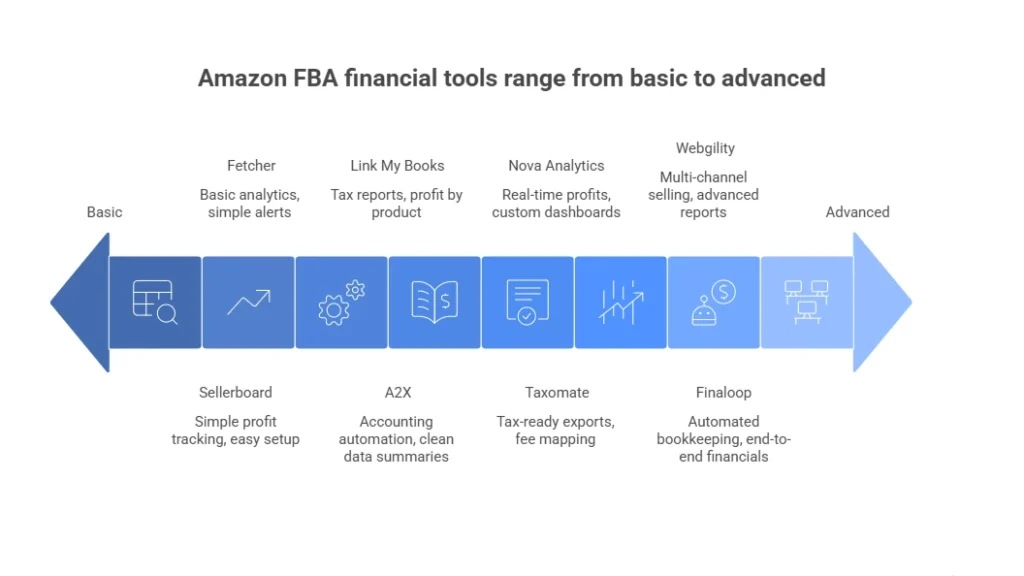
Investing in paid financial tools can yield significant long-term benefits that go beyond initial costs. Here are some key considerations:
| Benefit | Free Tools | Paid Tools |
|---|---|---|
| Advanced Features | Limited functionalities | Robust features for analysis |
| Customer Support | Minimal assistance available | Dedicated support teams |
| Updates and Upgrades | Infrequent updates | Regular enhancements |
| Integration Capabilities | Basic integrations | Extensive compatibility |
| Customization Options | Standard templates | Tailored solutions |
By choosing to invest in high-quality paid tools, users can access financial tools comparison features that provide deeper insights into their financial health. Paid options often offer better customization, making it easier to cater to individual needs. Furthermore, reliable customer support can save valuable time, ensuring that users can troubleshoot issues promptly. In the long run, investing in these tools can enhance decision-making capabilities, leading to a more secure financial future.
Frequently Asked Questions
What are the main differences between free and paid financial tools?
The primary differences between free and paid financial tools lie in their features, support, and data security. Free tools often provide basic functionalities such as budgeting and expense tracking, but may lack advanced features like investment tracking, customized reporting, or financial forecasting. Paid tools typically offer a more comprehensive experience, including professional support, advanced analytics, and better security measures for sensitive financial data, ensuring a more reliable user experience.
Are free financial tools sufficient for personal finance management?
For many individuals, free financial tools are sufficient for managing personal finances, especially if their financial situation is relatively straightforward. These tools can help track income, expenses, and savings effectively without incurring costs. However, if you have more complex financial needs, such as investments, debt management, or business expenses, you may find that free tools lack the necessary features and capabilities to provide a thorough overview of your financial health.
What should I consider when choosing between free and paid financial tools?
When deciding between free and paid financial tools, consider factors such as the complexity of your financial needs, the specific features you require, and your budget. Assess if the tool offers essential functions like tax support, investment tracking, or integration with bank accounts. Additionally, evaluate the user interface, customer service options, and how frequently the software is updated. Reviews and user feedback can also provide valuable insights into the effectiveness and reliability of the tools you’re considering.
Can I switch from a free tool to a paid one later on?
Yes, most financial tools allow users to switch from a free version to a paid version seamlessly. As your financial situation evolves or if you find that your needs are not being met by free tools, you can upgrade to a paid version to access more advanced features and capabilities. When making the switch, ensure that your data can be easily transferred and that the paid version meets the enhanced requirements you are looking for.