How Behavioral Analysis Can Enhance Your Trading Strategy

Understanding Behavioral Analysis in Trading
Behavioral analysis trading focuses on the psychological factors and emotional influences that affect investor decisions. Unlike traditional financial analysis, which relies mainly on technical data or fundamental metrics, behavioral analysis examines how cognitive biases, emotional responses, and social dynamics dictate market behavior. By integrating this approach into your trading strategy, you can better anticipate market movements shaped by human behavior, ultimately improving your trade outcomes.
The Role of Investor Psychology in Market Movements
Investor psychology plays a crucial role in driving price volatility and market trends. Emotional reactions such as fear, greed, and overconfidence often lead traders to make irrational decisions—buying overpriced assets or selling too early. Understanding these emotional triggers helps in identifying when the market is likely to overreact or underreact to news and events, thereby creating opportunities for strategic entry and exit points.
Common Behavioral Biases Impacting Trading Decisions
Several behavioral biases can undermine disciplined trading if left unrecognized. Some of the most frequent biases include:
- Herd Mentality: Following the crowd without independent analysis, often leading to bubble formations or sharp crashes.
- Confirmation Bias: Favoring information that supports existing beliefs and ignoring contradictory data.
- Loss Aversion: The tendency to avoid losses rather than achieving equivalent gains, causing premature selling or holding losing positions.
- Overconfidence: Excessive trust in one’s own trading ability, leading to increased risk-taking and larger-than-intended position sizes.
Recognizing these biases allows traders to adjust their mindset and apply corrective measures to avoid their detrimental effects.
Incorporating Behavioral Analysis into Your Trading Strategy
To effectively incorporate behavioral analysis trading principles, consider these steps:
- Self-Assessment: Regularly review your own emotional and cognitive reactions to trading scenarios.
- Market Sentiment Monitoring: Use sentiment indicators and news analytics to gauge prevailing market emotions.
- Diversification of Decision Inputs: Combine technical, fundamental, and behavioral insights before executing trades.
- Developing Emotional Discipline: Implement strategies such as mindfulness or pre-defined trading rules to manage emotional impulses.
The Power of Sentiment Analysis Tools
Modern traders can leverage sentiment analysis tools designed to interpret news, social media, and other sources of trader sentiment. These tools help pinpoint shifts in market mood, which often precede price movement. For example, an increase in negative sentiment might signal an approaching downturn, even if technical indicators remain neutral. Integrating such data enhances the behavioral dimension of trading strategy.
Behavioral Analysis vs. Traditional Trading Analysis
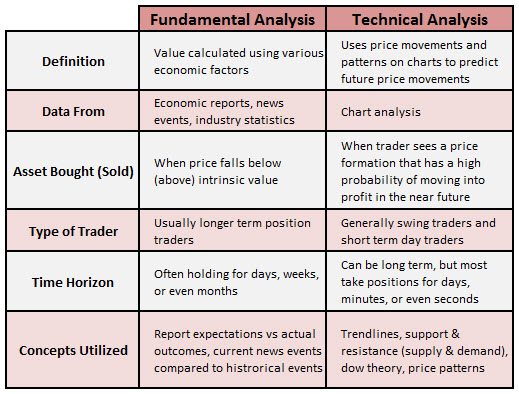
| Aspect | Behavioral Analysis | Traditional Analysis |
|---|---|---|
| Focus | Psychology and emotions of market participants | Technical charts and fundamentals like earnings and valuations |
| Data Sources | Sentiment surveys, social media, trading behavior patterns | Historical price data, financial statements, economic indicators |
| Goal | Understanding market anomalies caused by human behavior | Predicting price based on past performance or value assessment |
| Strength | Detecting emotional extremes before they revert | Identifying long-term value and price trends |
Conclusion: Enhancing Trading Success through Behavioral Insights
Incorporating behavioral analysis trading techniques allows traders to gain a comprehensive view of the market by factoring in the human element behind price movements. Awareness of psychological biases and market sentiment equips traders with tools to avoid common pitfalls and identify strategic opportunities. When blended with traditional analysis methods, behavioral insights significantly enhance decision-making, risk management, and overall trading performance.
Frequently Asked Questions
1. How does behavioral analysis improve trading accuracy?
Behavioral analysis improves trading accuracy by identifying emotional and psychological market drivers that traditional data might miss, enabling traders to anticipate irrational price movements.
2. Can behavioral analysis be applied to all markets?
Yes, behavioral analysis is universally applicable across markets including stocks, forex, commodities, and cryptocurrencies since human behavior influences trading in every market.
3. What are practical ways to reduce bias in trading?
Practical methods include maintaining trading journals, following predefined rules, seeking diverse perspectives, and using automated systems to minimize emotional decisions.
4. Are sentiment analysis tools reliable?
While sentiment analysis tools offer valuable insights, they should be used in conjunction with other analysis forms as they can sometimes produce false signals or lag market shifts.