Best Portfolio Management Tools for Long-Term Investors
In today’s fast-paced financial market, long-term investors face the challenge of efficiently managing diverse portfolios while maximizing returns. With the right portfolio management tools, investors can simplify this process, enabling better tracking, analysis, and decision-making. Whether you’re a seasoned investor or just starting, understanding key features, exploring top options, and learning how to choose the ideal tool are essential steps towards financial success. In this blog post, we’ll delve into the best portfolio management tools available today, their benefits, and expert tips on effectively overseeing your investment portfolio to achieve your long-term financial goals.
Key Features to Look for in Portfolio Management Tools
When selecting a tool that aligns with your long-term investment goals, consider these essential features:
- User-Friendly Interface: A simple, intuitive design facilitates easier navigation and comprehensible insights.
- Performance Tracking: Look for capabilities that monitor your portfolio’s performance over time, allowing you to make informed decisions.
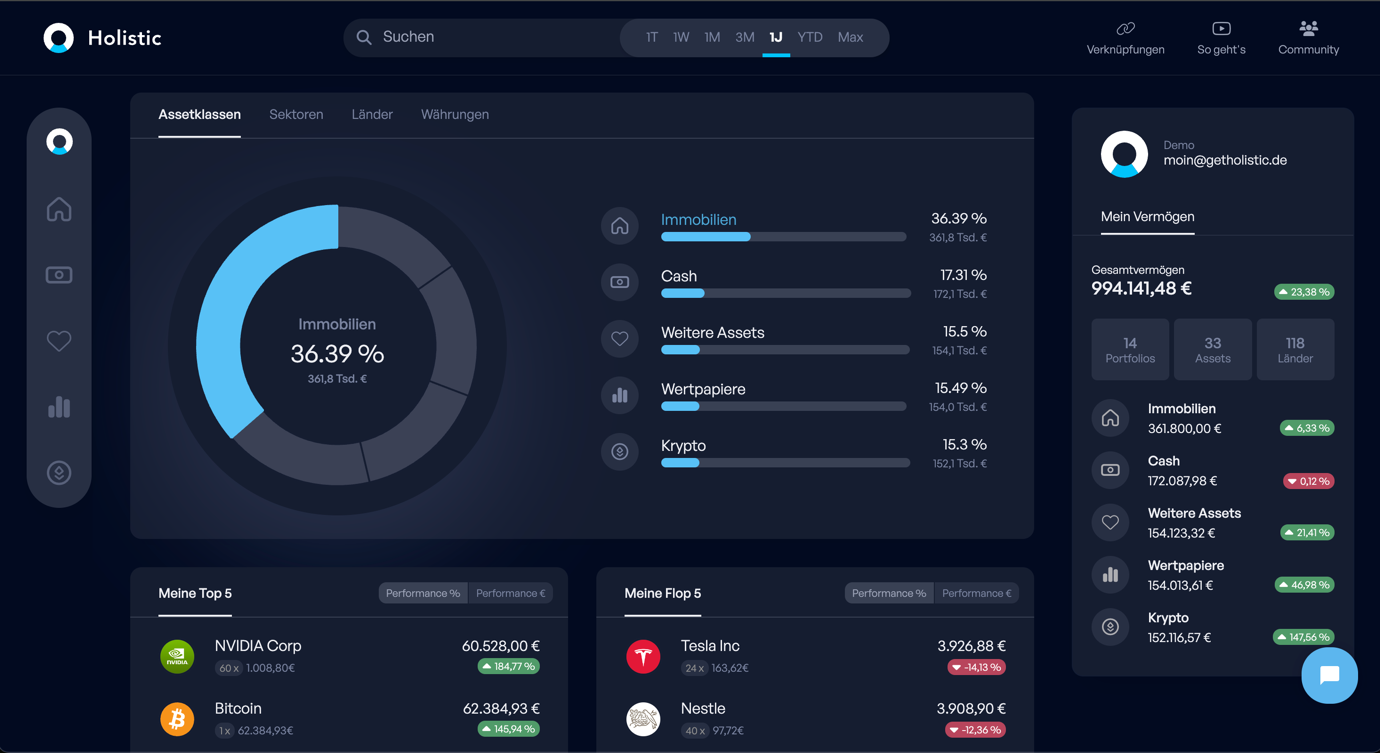
- Asset Allocation Analysis: Robust tools should provide insights into your asset distribution, helping you maintain a balanced portfolio.
- Risk Assessment: Evaluate tools that offer risk analysis features, enabling you to gauge potential losses and adjust strategies accordingly.
- Customizable Alerts: Notification settings for price changes, dividends, or significant market events keep you updated without constant monitoring.
| Feature | Importance |
|---|---|
| User-Friendly Interface | Ensures easy access to your investment data |
| Performance Tracking | Measures growth against benchmarks |
| Asset Allocation Analysis | Helps maintain desired levels of diversification |
| Risk Assessment | Aids in understanding and mitigating investment risks |
| Customizable Alerts | Keeps you informed and proactive about changes in the market |
By focusing on these key features, investors can enhance their management approach and optimize their long-term investment strategies with the help of portfolio management tools.
Top Portfolio Management Tools for Long-Term Investing
When it comes to optimizing your investment strategy, selecting the right software can greatly enhance your decision-making. Here are some standout options:
| Tool Name | Key Features | Best For |
|---|---|---|
| Morningstar | In-depth research, performance reports | Data-driven long-term investors |
| Personal Capital | Budgeting tools, retirement planner | Comprehensive financial planners |
| Wealthfront | Automated investing, tax-loss harvesting | Robo-advisors looking for simplicity |
| M1 Finance | Customizable portfolios, low fees | DIY investors who value flexibility |
| Tastyworks | Advanced trading platform, analytics | Active traders focusing on options |
Each of these platforms offers unique features catering to different types of long-term investors. By leveraging portfolio management tools, you can efficiently monitor your investments, track performance, and make informed decisions tailored to your investment goals. Choosing the right tool is crucial, as it sets the foundation for your investment success.
How to Choose the Right Tool for Your Investment Needs
Selecting the perfect portfolio management tools can significantly impact your investment success. Start by identifying your specific needs; for instance, are you focused on stocks, bonds, or a diversified portfolio? This will help narrow down your options.
Next, consider key features that enhance usability and functionality. Look for tools that offer:
- User-friendly interface: Simplifies tracking and managing your investments.
- Customization options: Tailor reports and dashboards to fit your preferences.
- Data integration: Seamlessly connect with other financial accounts or platforms.
Moreover, evaluate the cost and customer support offered. Some tools may provide advanced features but at a higher price, while others offer essential functions for a lower fee. Finally, read reviews and testimonials to gauge user satisfaction. By weighing these factors, you can confidently choose the right tool that aligns with your long-term investment goals.
Benefits of Using Portfolio Management Software
Investing in portfolio management tools offers numerous advantages to long-term investors. Here are some key benefits:
- Enhanced Tracking: Keep an organized view of your investments across various asset classes and markets, helping you monitor their performance efficiently.
- Simplified Analysis: Utilize advanced analytics to assess your portfolio’s risk and return, enabling informed decision-making.
- Time Efficiency: Automate routine tasks such as tracking dividends and rebalancing, which saves valuable time for investors.
- Better Diversification: Gain insights into your asset allocation to ensure you achieve a well-diversified portfolio.
| Benefit | Description |
|---|---|
| Enhanced Tracking | Efficiently monitor performance across multiple investments. |
| Simplified Analysis | Advanced analytics for informed decision-making. |
| Time Efficiency | Automate tracking and rebalancing tasks. |
| Better Diversification | Insights into asset allocation for a balanced portfolio. |
Incorporating portfolio management tools into your investing strategy can ultimately streamline your efforts and enhance your financial growth over time.
Tips for Effectively Managing Your Investment Portfolio
Managing your investment portfolio effectively requires a strategic approach. Here are some tips to enhance your investment experience:
| Tip | Description |
|---|---|
| Regular Reviews | Schedule regular check-ins to assess performance and adjust strategies as needed. |
| Diversification | Spread your investments across various asset classes to reduce risk and enhance returns. |
| Set Clear Goals | Define short-term and long-term investment goals to keep you focused and motivated. |
| Stay Informed | Keep up with market trends and news affecting your investments for timely decision-making. |
| Use Technology | Leverage portfolio management tools to track performance and generate reports easily. |
By implementing these strategies, you can navigate the complexities of investing while positioning yourself for long-term success. Remember that consistency and discipline are key components of an effective portfolio management strategy.
Frequently Asked Questions
What features should I look for in a portfolio management tool?
When choosing a portfolio management tool, it is essential to look for several key features that cater to your investing needs. Firstly, real-time performance tracking is critical, allowing you to see how your investments are performing at any given moment. Additionally, comprehensive reporting capabilities provide insights into your overall portfolio performance and asset allocation. A user-friendly interface is crucial for ease of use, along with investment goal-setting features that help you align your portfolio with your long-term financial objectives. Finally, ensure that the tool offers diverse integrations with brokerage accounts, providing seamless access to your investment data.
Are there any specific portfolio management tools recommended for beginners?
For beginners in portfolio management, a few tools stand out due to their intuitive design and educational resources. Tools like Personal Capital and Wealthfront are particularly user-friendly and provide guided investment advice that helps newcomers understand the basics of investing. These platforms often include features such as goal-setting assistance, risk assessment tools, and automatic rebalancing of portfolios, making them ideal for those just starting their investment journey. Moreover, their easy tracking interfaces help users visualize their investment progress without overwhelming complexity.
How do portfolio management tools help in achieving long-term investment goals?
Portfolio management tools play a vital role in achieving long-term investment goals by providing structured ways to track and analyze investment performance over time. These tools often come equipped with features like customized financial planning, asset allocation modeling, and performance benchmarking against market indices. By regularly updating your investment strategies based on real-time data and market trends, these platforms help investors make informed decisions that align with their long-term objectives. Furthermore, features such as alerts and reminders can keep investors on track with regular assessments of their portfolio, ensuring they remain aligned with their financial aspirations.
Can I use portfolio management tools for retirement planning?
Absolutely! Many portfolio management tools are designed with retirement planning in mind, offering specialized features that assist investors in preparing for their retirement years. These tools often include retirement calculators that project future savings needs based on your current investments, age, and retirement goals. Additionally, they can help you assess various asset allocation strategies to determine the best mix of equities, bonds, and other investments for your retirement funds. By regularly analyzing your portfolio’s growth and aligning it with retirement timelines, you can make informed adjustments to ensure you meet your retirement objectives.