Top Investment Tracking Tools to Manage Your Portfolio Easily
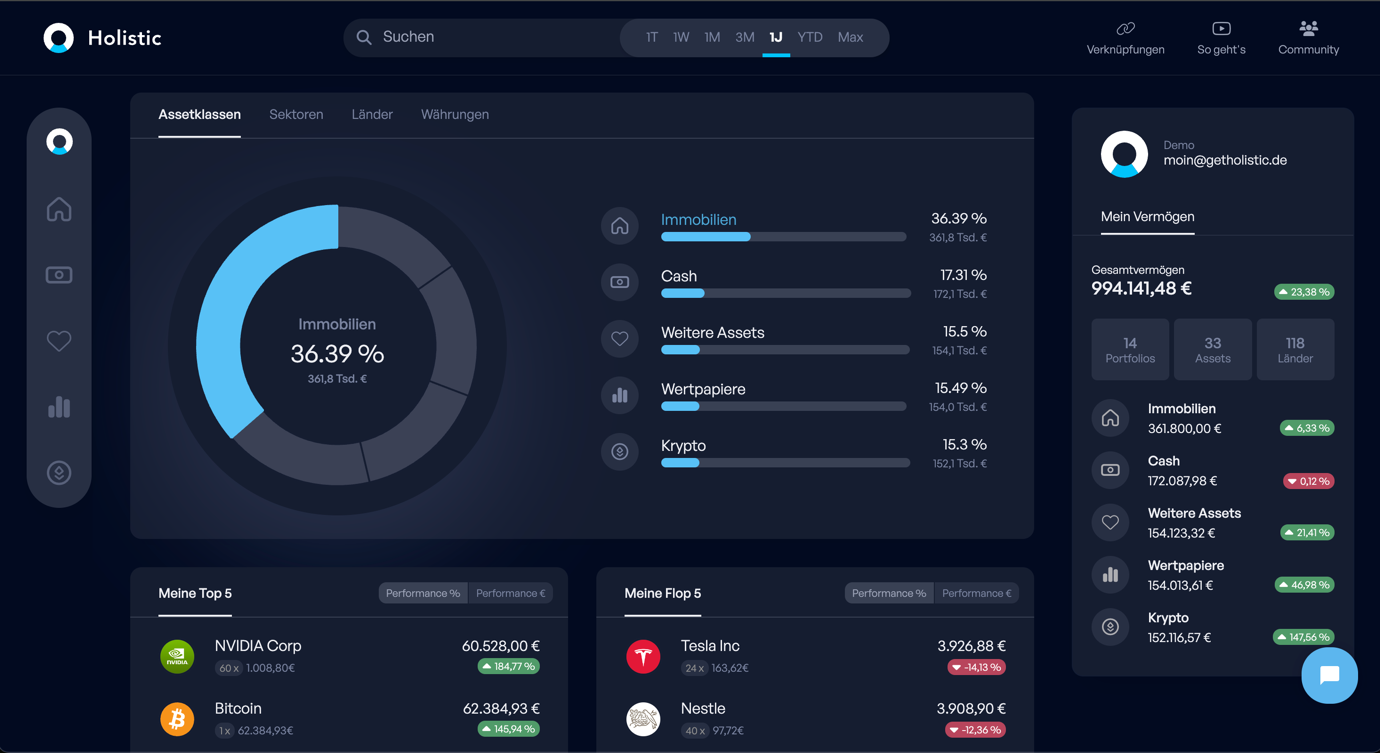
In today’s fast-paced financial landscape, effectively managing your investment portfolio is more crucial than ever. With numerous options available, selecting the right resources can make all the difference in achieving your financial goals. This is where investment tracking tools come into play, helping investors of all levels monitor their assets, analyze performance, and make informed decisions with ease. In this blog post, we will explore the essential features to look for in investment tracking software, highlight the top tools available in 2023, and guide you on choosing the right solution tailored to your needs. Get ready to take control of your investments and maximize your returns with the help of these innovative tools!
What Are Investment Tracking Tools?
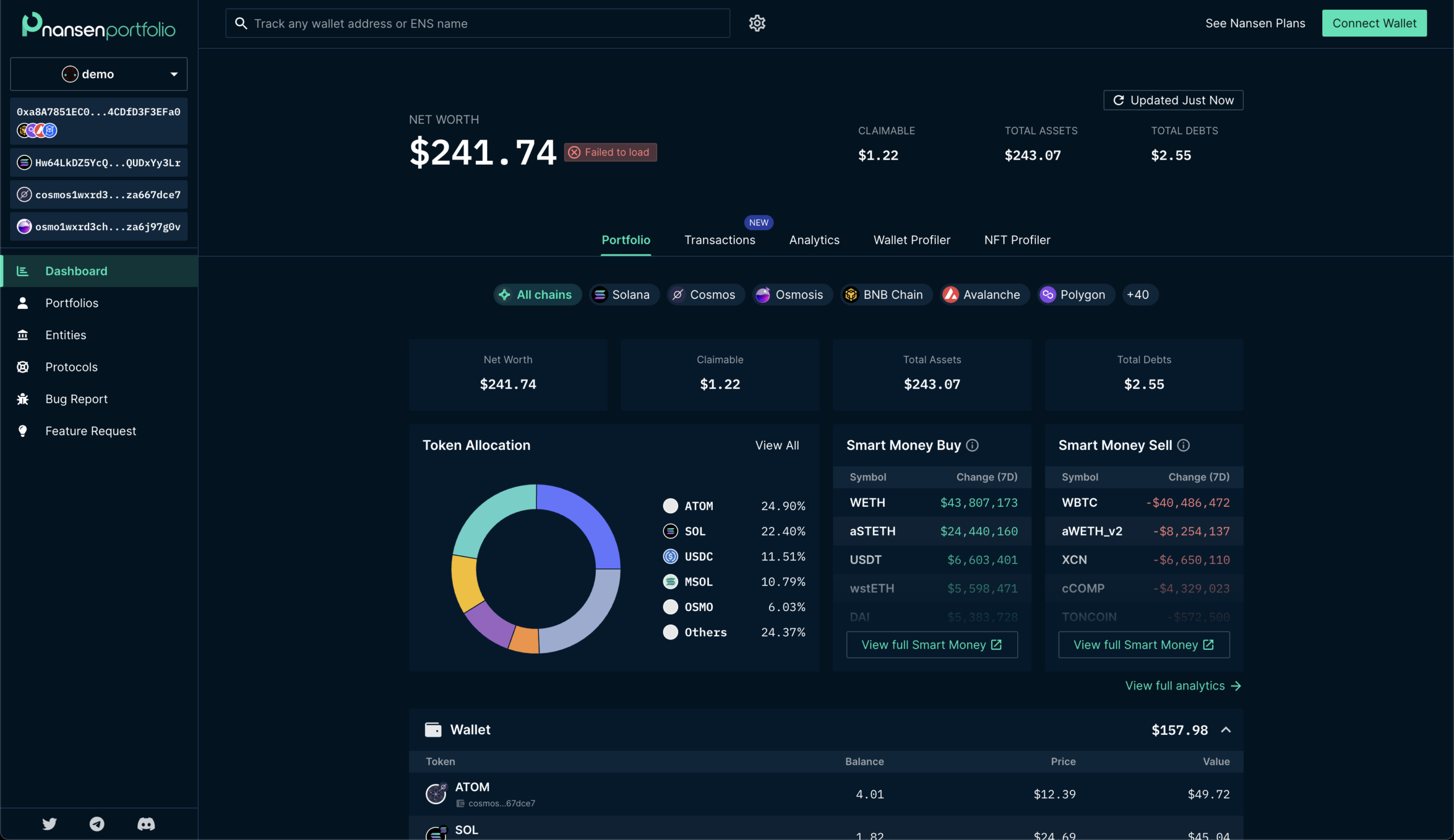
Investment tracking tools are essential resources for managing and optimizing your financial portfolio. They enable investors to monitor their assets, evaluate performance, and make informed decisions. Here’s an overview of what they offer:
- Portfolio Overview: A consolidated view of all investments, including stocks, bonds, and mutual funds.
- Performance Metrics: Detailed analytics showing returns, growth rates, and comparisons against benchmarks.
- Diversification Analysis: Insight into asset allocation, helping to identify overexposure in certain sectors.
- Real-Time Data: Up-to-date pricing information and market trends that allow for timely investment decisions.
| Feature | Description |
|---|---|
| User-Friendly Interface | Simple navigation with an intuitive design for easy access. |
| Custom Alerts | Notifications for significant market changes or price movements. |
| Integration Options | Ability to connect with various financial institutions and accounts. |
| Cost Management | Tools to track expenses and dividends to enhance profitability. |
By leveraging these functionalities, investors can enhance their strategic planning and execution significantly.
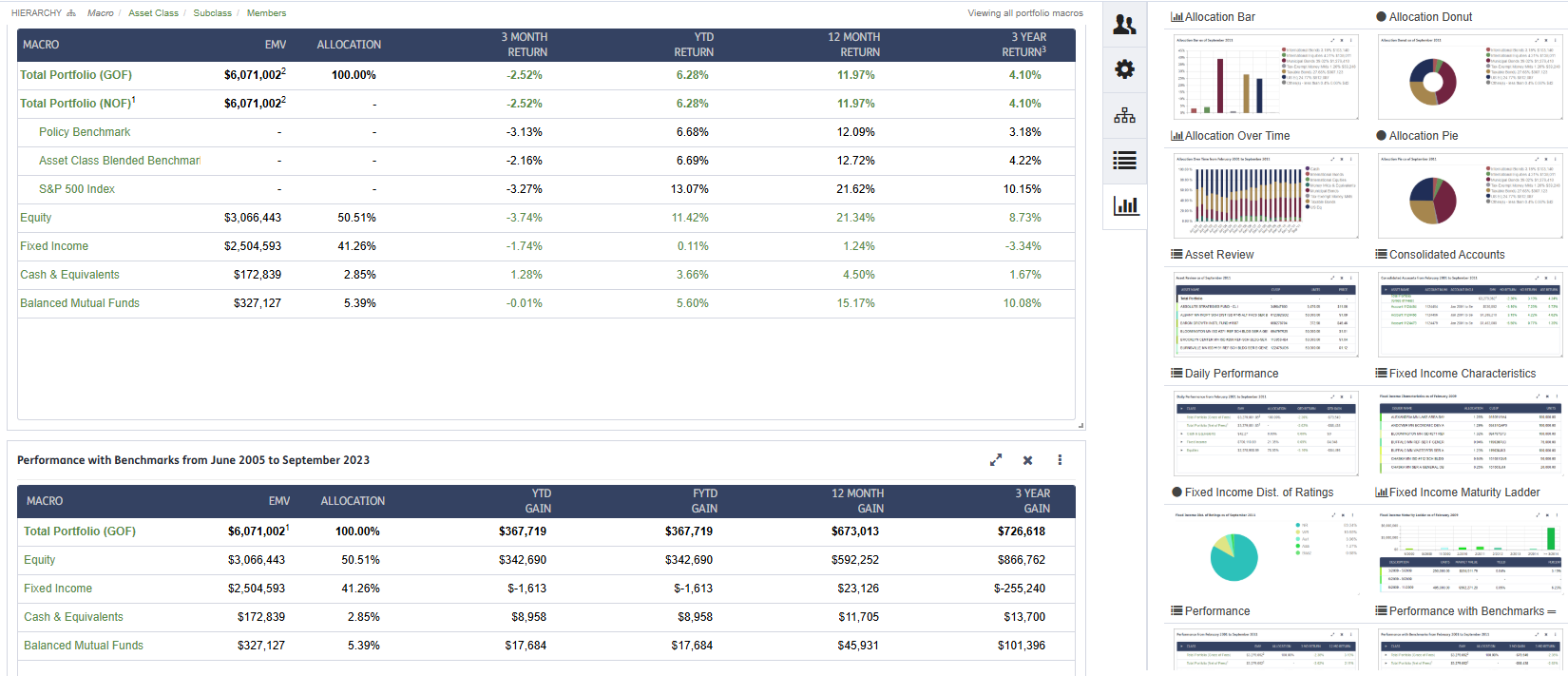
Key Features to Look for in Investment Tracking Software
When choosing the right investment tracking software, it’s essential to consider several key features that enhance functionality and usability. Here are some critical aspects to evaluate:
| Feature | Description |
|---|---|
| User-Friendly Interface | An intuitive design that makes navigation simple for users of all experience levels. |
| Real-Time Data | Access to up-to-date pricing and market trends ensures informed decision-making. |
| Portfolio Management | Tools for tracking multiple assets, including stocks, bonds, and cryptocurrencies. |
| Performance Analytics | Detailed reports that analyze gains, losses, and overall portfolio health. |
| Mobile Compatibility | Availability of mobile applications for tracking investments on the go. |
| Tax Reporting Features | Functionality to assist in calculating taxes related to investment income. |
Incorporating these features will make your experience more enjoyable and streamlined. Investment tracking tools that prioritize these aspects can significantly simplify your portfolio management process, allowing you to stay focused on achieving your financial goals.
Top Investment Tracking Tools in 2023
As we venture into 2023, several platforms stand out as premier choices for managing your investment portfolio. Personal Capital shines with its intuitive dashboard, offering a comprehensive overview of your assets, net worth, and retirement planning tools. Alternatively, Morningstar offers in-depth research and analysis, making it perfect for serious investors seeking insights on various funds and stocks.
| Tool Name | Key Features | Best For |
|---|---|---|
| Personal Capital | Portfolio tracking, retirement planning | Overall financial wellness |
| Morningstar | In-depth research, investment analysis | Research-oriented investors |
| Mint | Budgeting, expense tracking | Personal finance novices |
| Robinhood | Commission-free trades | Beginner stock traders |
Wealthfront is also notable for its automatic rebalancing and tax-loss harvesting features, catering to those wanting a hands-off approach. Furthermore, Yahoo Finance provides timely news and analytics, which can keep investors informed on market trends. By leveraging these tools, you can enhance your investment journey.
How to Choose the Right Investment Tracking Tool for You
Selecting the ideal investment tracking tools can significantly impact your portfolio management. To make an informed choice, consider the following factors:
- User Interface: Opt for a tool that offers an intuitive and easy-to-navigate interface, enhancing your user experience.
- Integrations: Check compatibility with your existing financial platforms (e.g., banking, trading) for seamless integration.
- Features: Look for essential functionalities such as real-time tracking, performance analytics, and tax reporting.
- Cost: Evaluate whether the tool fits your budget, keeping an eye out for free trials or basic plans.
- Customer Support: Reliable support is vital. Choose tools that offer excellent customer service for troubleshooting.
| Feature | Importance | Examples |
|---|---|---|
| User Interface | Ease of navigation | Clean, straightforward design |
| Integrations | Streamlined data management | Syncs with banks and brokers |
| Features | Comprehensive tracking | Performance metrics, alerts |
| Cost | Budget-friendly options | Free vs. premium plans |
| Customer Support | Access to assistance | Chat, phone, email support |
By weighing these factors and exploring various options, you will find the investment tracking tools that best suit your needs and help you manage your portfolio with confidence.
Benefits of Using Investment Tracking Tools
Using investment tracking tools offers numerous advantages that can significantly enhance your portfolio management. Here are some key benefits to consider:
| Benefit | Description |
|---|---|
| Real-time Updates | Stay informed about market fluctuations and performances with immediate updates. |
| Performance Analysis | Analyze your investments against benchmarks to identify strengths and weaknesses. |
| Time Efficiency | Automate data collection and reporting, saving time on manual tracking efforts. |
| Diversification Insights | Easily see the breakdown of your portfolio to ensure a balanced investment approach. |
| Goal Tracking | Set financial goals and track your progress toward achieving them systematically. |
By leveraging these features, investors can make more informed decisions, ultimately leading to better financial outcomes. Embracing technology in portfolio management not only improves efficiency but also empowers you to focus on strategies and growth opportunities.
Frequently Asked Questions
What are the key features to look for in investment tracking tools?
When selecting an investment tracking tool, consider features such as user-friendly interface, portfolio performance analysis, real-time market data, and the ability to manage multiple investment accounts. Additionally, useful tools provide alerts for stock price changes, tax reports, and portfolio diversification suggestions. Integrations with brokerage accounts can also streamline the process, ensuring you have all of your data in one place. Finally, analyze the mobile accessibility, as managing investments on-the-go can be a critical factor for many investors.
Are there any investment tracking tools that are specifically geared towards beginners?
Yes, several investment tracking tools cater specifically to beginners, making it easy to understand and manage investments. Tools like Robinhood and Acorns are designed with simplicity in mind, providing straightforward interfaces and educational resources to help new investors understand the basics. These platforms often offer step-by-step instructions for setting up accounts and making investments, coupled with easy-to-read analytics that track your portfolio’s growth over time. This supportive environment helps beginners build confidence as they navigate their investment journey.
Can I use investment tracking tools for both stocks and cryptocurrency?
Many modern investment tracking tools are versatile and designed to accommodate different asset classes, including stocks and cryptocurrencies. Apps like Blockfolio and CryptoCompare allow users to track various cryptocurrencies alongside traditional assets. When seeking an investment tracking tool, ensure it supports the specific types of assets you intend to manage, providing accurate data and analysis across all investment categories. A unified platform helps streamline your portfolio management, making it easier to monitor overall performance.
How do I ensure the security of my investment information when using tracking tools?
Securing your investment information is crucial when using any tracking tool. Choose platforms that prioritize security measures such as two-factor authentication (2FA), data encryption, and secure connections (HTTPS). Additionally, regularly update your passwords and avoid using public Wi-Fi when accessing sensitive information. It is wise to read reviews and testimonials regarding the security practices of the tools you consider, as well as checking if they offer features like alerts for any unusual account activity to further protect your financial data.