Best Investment Apps for Beginners (Full Comparison Guide)
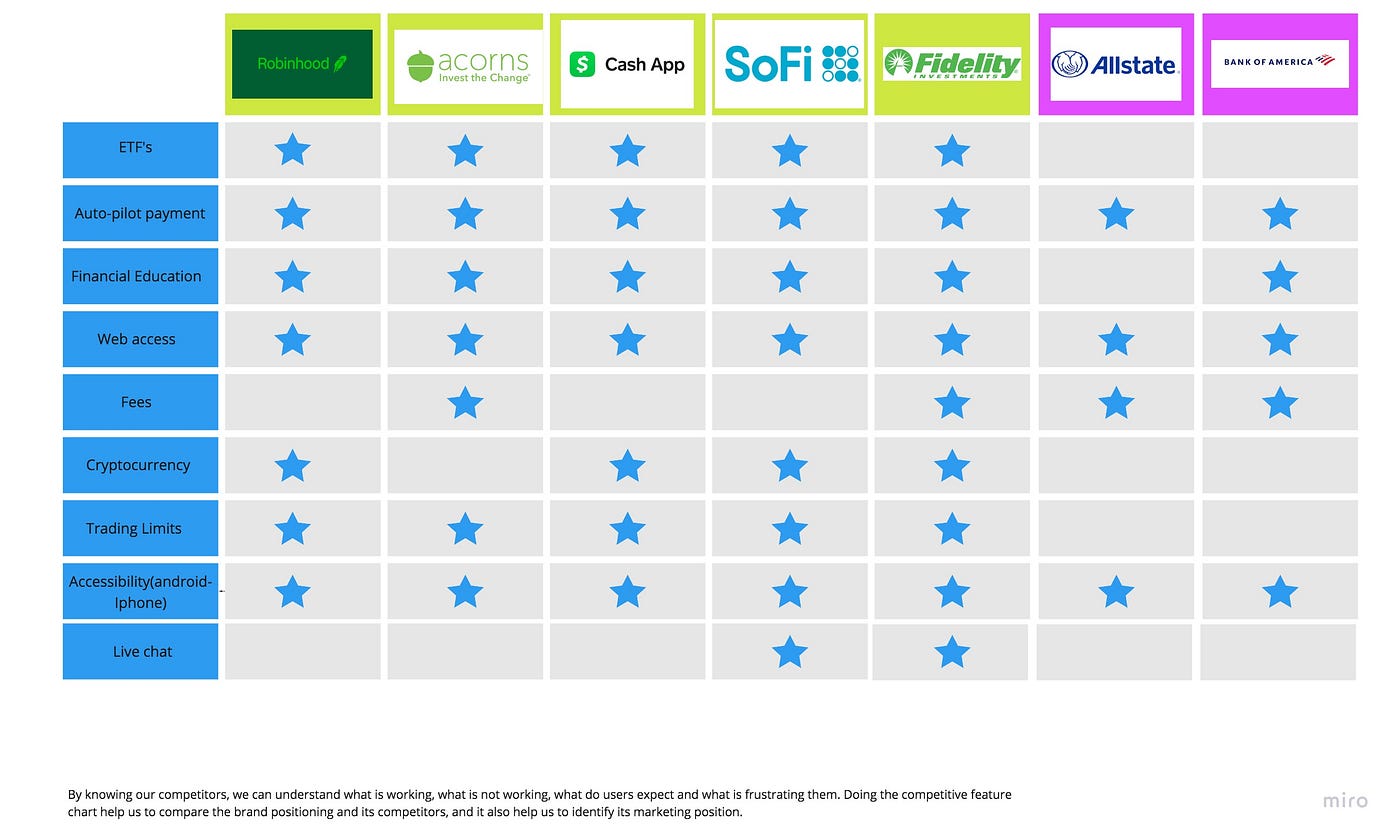
In today’s fast-paced digital world, investing has never been more accessible, especially for beginners looking to grow their wealth. With a myriad of options available, choosing the right investment app can seem overwhelming. This comprehensive guide will help you navigate through the essential features and benefits of investment apps, highlighting the top choices perfect for newcomers. We’ll dive deep into an Investment Apps Comparison, analyzing fees, user experience, and security measures to ensure you make an informed decision. Whether you’re aiming to save for retirement, build wealth, or simply dip your toes into the exciting world of finance, our expert insights will empower you to select the app that best aligns with your investment goals.
Understanding Investment Apps: Key Features and Benefits
Investment apps have revolutionized the way beginners enter the financial markets. Here are some key features and benefits that make these platforms an attractive option:
| Feature | Benefit |
|---|---|
| User-Friendly Interface | Simplifies the investment process, making it accessible for beginners. |
| Low Fees | Many apps offer commission-free trades, reducing the cost of investing. |
| Educational Resources | Tutorials and articles empower users to make informed decisions. |
| Diversification Options | Access to various assets, including stocks, ETFs, and cryptocurrencies. |
| Real-Time Data | Instant updates on market trends enable informed decision-making. |
Using these apps, beginners can confidently build their portfolios and learn about investing without facing overwhelming barriers. The intuitive design and valuable resources ensure a smooth journey into the world of investing. Thus, when creating an Investment Apps Comparison, these features should be a priority.
Top Investment Apps for Beginners: An Overview
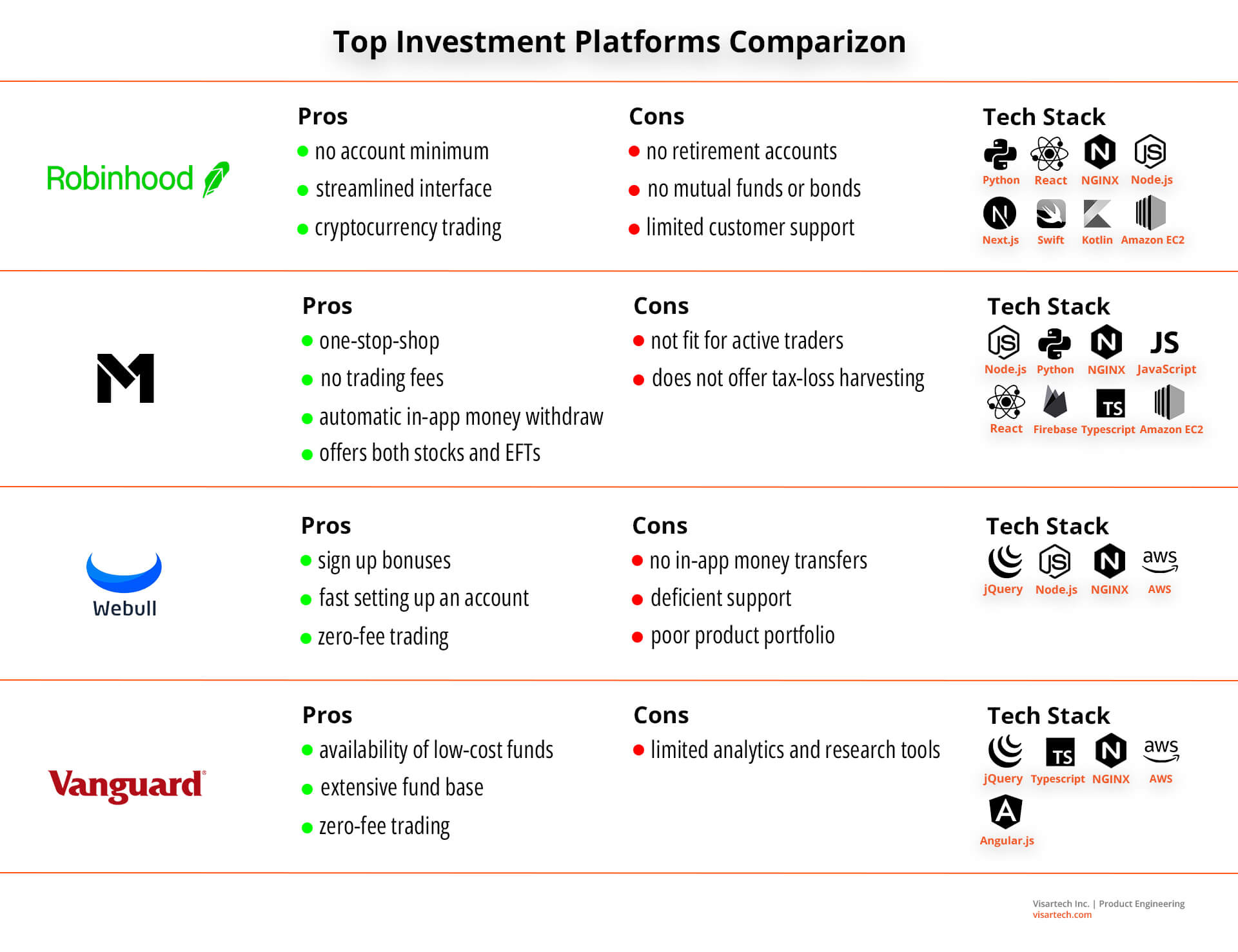
When starting your investment journey, choosing the right app can make all the difference. Here’s a brief overview of some top investment apps for beginners, highlighting their key features:
| App Name | Best For | Key Features |
|---|---|---|
| Robinhood | Commission-free trading | Easy-to-navigate interface, fractional shares |
| Acorns | Micro-investing | Automatic round-ups, diversified portfolios |
| Stash | Personalized investing | Educational resources, customizable portfolios |
| E*TRADE | Comprehensive tools | Advanced charting, extensive research materials |
| Webull | Active trading | Real-time market data, no commission fees |
Each of these apps brings unique benefits to the table, catering specifically to beginners who may feel overwhelmed by investing. With features like educational tools and customizable portfolios, users can gradually build confidence while making informed financial decisions. In summary, exploring these options through an Investment Apps Comparison can further help you pinpoint the app that best suits your needs.
Investment Apps Comparison: Fees and Costs
When choosing an investment app, understanding the fees and costs involved is crucial. Many platforms offer free trades, but they may charge hidden fees elsewhere. Here’s a basic breakdown:
| Investment App | Trading Fees | Account Maintenance Fees | Withdrawal Fees |
|---|---|---|---|
| App A | $0 | $0 | $5 |
| App B | $4.99 | $10/year | Free |
| App C | $0 | $0 | $2 |
| App D | $2.99 | $0 | $0 |
Transparent fees can significantly impact your investment returns. Therefore, always review each app’s fee structure before signing up. Additionally, some platforms may offer unique features for a monthly subscription, while others remain totally free but limit services. Prioritize identifying the right balance of cost-effectiveness and functionality that caters to beginner investors. Remember, selecting an app with competitive fees can enhance your overall experience and investment growth.
User Experience: Interface and Usability of Investment Apps
When selecting the right investment app, user experience plays a crucial role in ensuring a smooth and efficient investing journey. A well-designed interface not only enhances usability but also boosts your confidence as a beginner investor. Here are some key elements to consider:
| Feature | Importance |
|---|---|
| Intuitive Navigation | Enables users to easily access various features and accounts. |
| Customizable Dashboards | Allows investors to tailor their views, enhancing personal relevance. |
| Educational Resources | Access to tutorials and guides can simplify complex concepts for newbies. |
| Responsive Design | Ensures compatibility across devices, allowing for seamless use on smartphones and tablets. |
A clean, user-friendly interface with accessible features fosters better decision-making and more enjoyable investing experiences. Therefore, during your Investment Apps Comparison, prioritize platforms that emphasize simplicity and usability to ensure your investment journey starts on the right foot.
Security and Regulation: What to Look For in Investment Apps
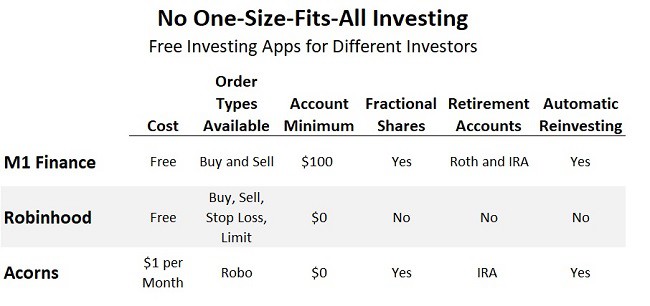
When selecting an investment app, security and regulation are crucial factors to consider. Here are the key elements to keep in mind:
| Aspect | Importance |
|---|---|
| Encryption | High-level encryption protects your personal data. |
| Regulatory Compliance | Apps should be registered with financial authorities like the SEC or FINRA. |
| Account Insurance | Look for apps offering SIPC or FDIC insurance for added protection. |
| User Authentication | Two-factor authentication enhances security by requiring multiple verification steps. |
| User Reviews | Check customer feedback and ratings to gauge reliability. |
Ensuring these features are present can build trust and offer peace of mind as you navigate your investment journey. By focusing on security and regulation, you can feel more confident in making informed decisions when it comes to managing your investments through apps. Always remember to conduct an Investment Apps Comparison to identify which app meets your security needs.
Final Thoughts on Choosing the Right Investment App
When selecting the best investment app, consider several critical factors that cater to your financial goals and user preferences. First, assess the investment options available; whether you prefer stocks, ETFs, or cryptocurrencies, ensure the app supports your interests. Second, evaluate the fees and costs associated with each platform, as high fees can erode your investment returns over time.
Another important aspect is user experience; an intuitive interface can make investing smoother and more enjoyable. Additionally, prioritize security; ensure the app is regulated and employs robust measures to protect your data and funds.
In the end, it’s all about finding the right balance between these factors to ensure a productive investing journey. For a detailed overview, check out our Investment Apps Comparison, where we break down the features, fees, and usability of various platforms to help you make an informed decision.
Frequently Asked Questions
What features should I look for in an investment app for beginners?
When selecting an investment app as a beginner, there are several key features to consider. Firstly, user-friendly navigation is crucial; the app should have a clean interface to allow easy understanding of its functions. Additionally, educational resources are invaluable; look for apps that offer tutorials, articles, or videos to enhance your financial literacy. Commission-free trading is another important aspect, as this eliminates fees on trades, making it easier to start your investment journey. Furthermore, the app should provide a wide variety of investment options, such as stocks, ETFs, and mutual funds, enabling you to diversify your portfolio. Lastly, ensure that the app has reliable customer support to assist you when needed.
Are there any risks associated with using investment apps for trading?
Yes, using investment apps for trading does come with certain risks. One major risk is the potential for market volatility, which can lead to significant fluctuations in asset values in a short period. Furthermore, while these apps often provide educational resources, the responsibility for making informed investment decisions ultimately falls on the user, which can be daunting for beginners. Additionally, there may be security risks involved; it’s crucial to ensure the app uses robust encryption and security protocols to protect your personal and financial information. Lastly, emotional trading can occur when investors make impulsive decisions based on market swings, leading to losses. Therefore, it’s essential to have a well-researched strategy before diving into trading through an app.
Can investment apps help me build a diversified portfolio?
Absolutely, many investment apps are designed with features that assist beginners in building a diversified portfolio. They often provide tools that allow users to invest in various asset classes, including stocks, bonds, and ETFs, which helps spread risk and reduce the potential for loss. Some apps even offer robo-advisory services, where algorithms create an optimized portfolio based on your risk tolerance and investment goals. Furthermore, many investment apps provide insights and analytics on how different investments perform, allowing users to make informed decisions about where to allocate their funds. Ultimately, these resources are invaluable for beginners looking to achieve a balanced investment approach.
How do I choose the best investment app for my needs?
To choose the best investment app for your needs, start by assessing your investment goals and experience level. Consider what type of investor you are—if you prefer hands-on management or automated strategies via robo-advisors. Next, evaluate the fees associated with each app; look for those that offer commission-free trading or reasonable fees for account maintenance. It’s also important to investigate the investment options available; some apps may specialize in certain assets or cater to specific investor types. User reviews can provide insight into the app’s reliability and customer support experiences. Lastly, sign up for any available trial versions to test the user interface and features before committing long-term.