Investing

How to Invest in Index Funds for Long-Term Wealth Building

In today’s fast-paced financial landscape, building long-term wealth can often feel daunting, yet one of the most effective and straightforward strategies lies in the world of investing. Understanding the ins and outs of index funds not only empowers you with a powerful investment vehicle, but also illuminates the path to financial freedom. As you embark on your journey to invest in index funds, this comprehensive guide will equip you with essential insights on selecting the right funds, strategizing your investments, and steering clear of common pitfalls. Embracing a long-term perspective can transform your financial goals into reality, allowing you to reap the rewards of a well-planned investment strategy. Join us as we delve into the benefits of index funds and how you can harness their potential for sustained wealth accumulation.

Understanding Index Funds and Their Benefits

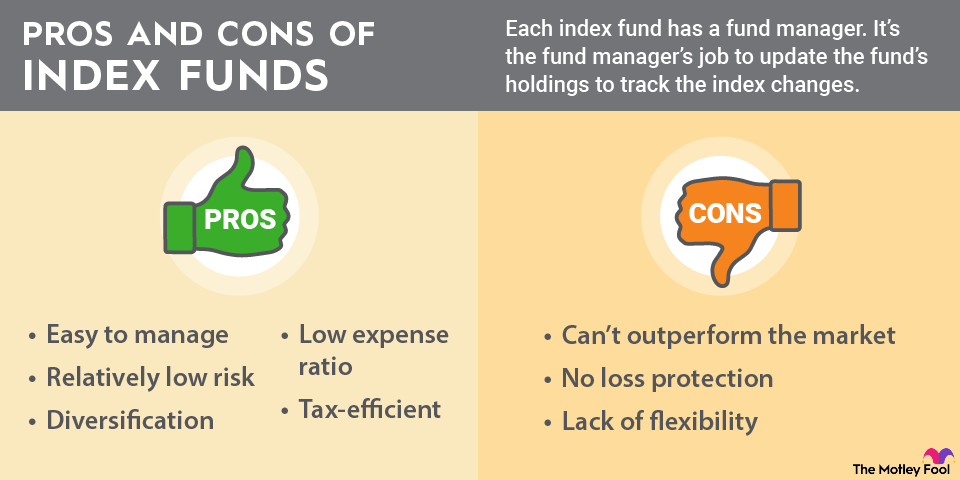
Index funds are investment vehicles designed to track the performance of a specific market index, such as the S&P 500. They offer a passive investing approach, allowing investors to gain exposure to a diverse portfolio of stocks without the need for active management. Here are some key benefits:

BenefitDescription
Low CostsIndex funds typically have lower expense ratios compared to actively managed funds, saving you money over time.
DiversificationBy investing in an index fund, you effectively own small portions of many companies, reducing the risk of a single investment.
SimplicityUnderstanding and managing an index fund investment is straightforward, making it accessible to beginners.
ConsistencyThese funds often provide stable returns aligned with market growth over the long term.

By choosing to Invest in Index Funds, you position yourself to benefit from these advantages while minimizing risks commonly associated with stock market investing.

Invest in Index Funds

How to Invest in Index Funds for Long-Term Wealth Building

Getting started with index funds is straightforward and requires only a few key steps. First, investing in index funds involves selecting a brokerage platform that offers a variety of funds. Look for low fees and a user-friendly interface that suits your investing style.

Next, you need to determine your investment goals and risk tolerance. This will help you decide how much to allocate to index funds versus other types of investments. Once you have a strategy, you can buy shares in your chosen index fund.

Here’s a quick overview of essential steps:

StepDescription
Choose a BrokerageFind a reliable platform with competitive fees.
Identify Your GoalsAssess your long-term financial objectives.
Allocate FundsDecide on the percentage of your portfolio for index funds.
Monitor Your InvestmentsRegularly review fund performance and make adjustments if necessary.

By following these steps, you’ll be well-equipped to build wealth over time through strategic investments in index funds.

Choosing the Right Index Funds for Your Portfolio

When it comes to investing in index funds, selecting the right ones can significantly impact your long-term wealth building. Start by assessing the index the fund tracks. Popular choices include the S&P 500, Total Stock Market, and International indices. Each index has different levels of risk and potential returns, so it’s essential to align them with your financial goals.

Next, consider the fund’s expense ratio. Lower fees often lead to better net returns over time. Here’s a quick comparison table:

Index FundExpense Ratio5-Year Average Return
S&P 500 Index Fund0.03%18%
Total Market Index Fund0.04%17%
International Index Fund0.45%10%

Lastly, review the fund’s historical performance and management quality. A consistent track record can indicate a fund’s reliability. By carefully evaluating these factors, you can confidently invest in index funds that best fit your investment strategy and long-term objectives.

Strategies for Investing in Index Funds

When considering how to Invest in Index Funds, applying the right strategies can enhance your chances for long-term success. Here are a few effective strategies to implement:

StrategyDescription
Dollar-Cost AveragingInvest a fixed amount regularly, regardless of market conditions, to reduce risk.
DiversificationSpread investments across various sectors and companies to mitigate risk.
Buy and HoldInvest for the long term and avoid reacting to short-term market fluctuations.
Rebalance RegularlyPeriodically adjust your portfolio to maintain your desired risk level and allocation.

Understanding these strategies will help you navigate the complexities of index fund investments. By maintaining a disciplined approach, you can reap the benefits of compound growth while minimizing risk over time. Whether you’re just starting or looking to refine your approach, these strategies will serve as a solid foundation in your journey to Invest in Index Funds effectively.

Invest in Index Funds

Common Mistakes to Avoid When You Invest in Index Funds

Navigating the world of index fund investing can be rewarding, but it’s essential to avoid common pitfalls that could impede your success. Here are some key mistakes to watch out for:

MistakeDescription
Neglecting ResearchFailing to understand the fund’s structure or the index it tracks can lead to poor choices.
Timing the MarketTrying to predict market movements often results in missed opportunities; a buy-and-hold mindset is more effective.
Overlooking FeesHigh expense ratios can erode your returns over time; always compare fees before deciding.
Ignoring DiversificationConcentrating too heavily on one sector or region may increase risk—diversification is key to stability.
Reacting to Short-Term VolatilityEmotional responses to market fluctuations can lead to hasty decisions; maintain a long-term perspective instead.

By avoiding these common mistakes, you can set a solid foundation for your long-term investment journey. Remember, prudent and informed decisions are crucial when you invest in index funds.

The Importance of a Long-Term Perspective in Index Fund Investing

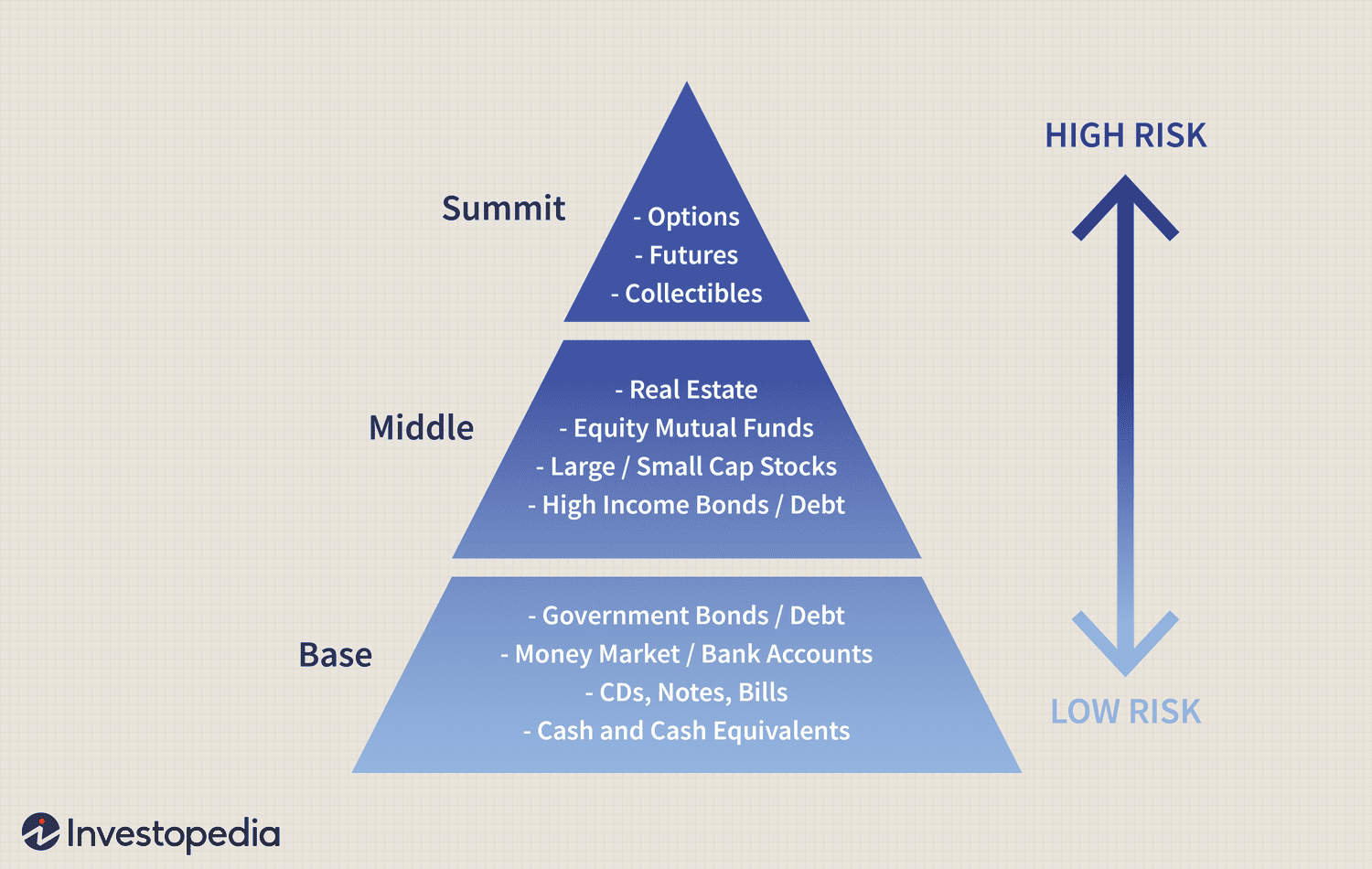
When it comes to Investing in Index Funds, adopting a long-term perspective is crucial for achieving substantial wealth. This approach allows investors to ride out market volatility, thereby diminishing the impact of short-term fluctuations. Historically, the stock market has shown a tendency to recover and grow over longer periods, demonstrating the power of compounding returns.

TimeframePotential ReturnsRisk Level
1 YearHigh volatility, unpredictableHigh
5 YearsModerate returns, some risksModerate
10+ YearsHigher returns, lower risksLow to Moderate

By maintaining a long-term view, investors in index funds can capitalize on the overall market trends and the underlying growth of the economy. Invest in Index Funds not just for immediate gains but to build a robust financial future. Emphasizing patience and consistency during your investment journey will pave the way for enhanced financial stability and success over time.

Frequently Asked Questions

What are index funds and how do they work?

Index funds are a type of mutual fund or exchange-traded fund (ETF) designed to follow specific market indexes, such as the S&P 500. They work by pooling money from multiple investors to purchase a diversified portfolio of stocks or bonds that replicate the performance of the selected index. This passive investment strategy aims to achieve long-term growth in line with the overall market instead of trying to outperform it.

Why should I consider investing in index funds for long-term wealth building?

Investing in index funds is considered a smart strategy for long-term wealth building due to their low costs, diversification, and historical performance. They typically have lower fees compared to actively managed funds, allowing investors to retain more of their returns. Additionally, because they track the market’s performance, they tend to produce consistent growth over time, making them ideal for investors looking to build wealth steadily while minimizing risk.

How do I choose the right index funds for my investment portfolio?

Choosing the right index funds involves considering several factors, such as your investment goals, risk tolerance, and time horizon. Look for funds that track reputable and widely recognized indexes. Assess the fund’s expense ratio, as lower fees can significantly enhance long-term returns. Additionally, consider the fund’s liquidity and historical performance. It’s important to review how well the fund has tracked its benchmark index over time and to ensure it aligns with your overall investment strategy.

Can I invest in index funds through a retirement account?

Yes, you can invest in index funds through various retirement accounts, such as 401(k)s or IRAs. Many retirement plans offer index funds as investment options, allowing you to benefit from their growth potential while enjoying tax advantages. Investing in index funds within a retirement account can maximize your returns over time, as the funds can grow tax-deferred or tax-free, depending on the account type. Always check with your plan administrator or financial advisor for specific offerings.

Related Articles

Leave a Reply

Your email address will not be published. Required fields are marked *

Back to top button