How to Build Wealth from Scratch Using Smart Investing Habits
In today’s fast-paced financial landscape, embarking on a journey to build wealth from scratch can seem daunting, yet incredibly rewarding. Understanding the fundamentals of wealth building is essential to navigating this path successfully. By setting clear financial goals and developing a budget that aligns with them, you put yourself in a position to thrive. Moreover, the importance of diversifying investments cannot be overstated when aiming for sustainable growth. In this post, we will explore smart investment habits and strategies that not only foster long-term growth but also help mitigate risks along the way. Join us as we uncover actionable insights that will empower you to Build Wealth Smartly and achieve your financial aspirations.
Understanding the Basics of Wealth Building
Wealth building begins with a solid understanding of core financial principles. Knowing these key elements will help you create a path towards financial freedom:
| Key Concept | Explanation |
|---|---|
| Saving | Consistently setting aside a portion of your income. Experience the power of compound interest over time. |
| Investing | Allocating money in various assets to grow your wealth. Stocks, bonds, and real estate can provide substantial returns. |
| Income Diversification | Earning from multiple sources can safeguard against financial downturns. Consider side hustles or passive income streams. |
| Debt Management | Understanding how to manage debt effectively, avoiding high-interest loans, can help retain wealth. |
| Financial Literacy | Educating yourself about financial markets and strategies is essential for making informed decisions. |
To Build Wealth Smartly, it is crucial to grasp these fundamentals. By focusing on saving, investing, and managing your finances wisely, you lay the groundwork for a prosperous future. Make it a habit to revisit these basics as you progress on your wealth-building journey.

Setting Financial Goals to Build Wealth Smartly
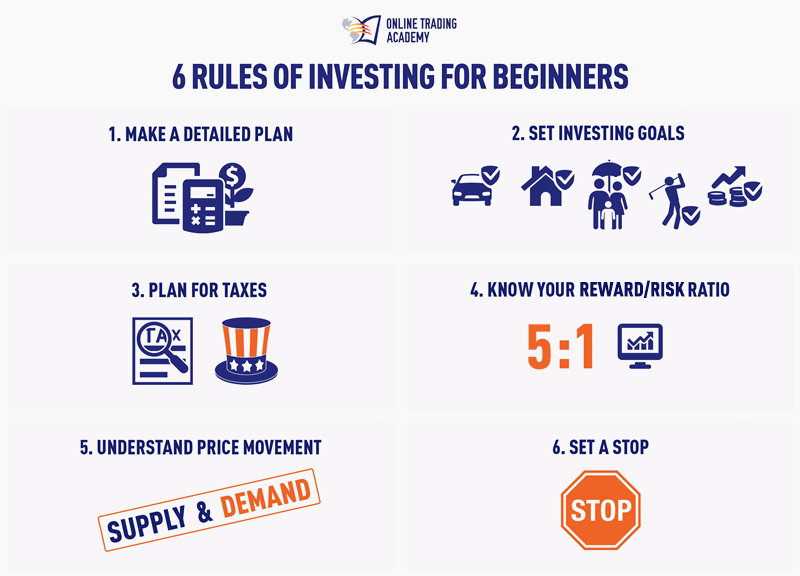
Establishing clear financial goals is crucial for anyone aiming to accumulate wealth. Financial goals provide direction, motivation, and a framework for making informed decisions. To effectively set these goals, consider the following key points:
| Key Point | Description |
|---|---|
| Specificity | Define what you want to achieve clearly, such as saving $20,000 for a house down payment. |
| Measurable | Ensure you can track your progress, such as saving a certain amount monthly. |
| Achievable | Set realistic goals based on your current financial situation. |
| Relevant | Align your goals with your overall financial aspirations and lifestyle. |
| Time-bound | Set deadlines for your goals to create urgency and accountability. |
By following these principles, you can create a roadmap toward financial success. This structured approach not only keeps you focused but also enhances your commitment to the journey of wealth accumulation. With well-defined goals, you’re better equipped to implement smart investing habits.
Developing a Budget that Supports Your Wealth Strategy
Creating a robust budget is essential to Build Wealth Smartly. A well-structured budget allows you to track your income, expenses, and savings effectively. Here’s how to get started:
- Identify Your Income: List all sources of income, including your salary, side hustles, and passive income streams.
- Categorize Your Expenses: Divide your expenses into fixed (rent, utilities) and variable (entertainment, dining out). This helps highlight potential areas for cuts.
- Set Clear Financial Goals: Align your budgeting with wealth-building objectives like saving for a home, retirement, or investments.
- Allocate Savings: Dedicate a specific percentage of your income to savings and investment. A common approach is the 50/30/20 rule:
| Category | Percentage |
|---|---|
| Needs | 50% |
| Wants | 30% |
| Savings/Investments | 20% |
By following these steps, you establish a solid budgeting framework, allowing you to steer clear of unnecessary debt while maximizing your wealth-building potential. Remember, the right budget not only supports your current needs but also paves the way for financial growth in the future.
The Importance of Diversifying Investments to Build Wealth Smartly
Diversification is a crucial strategy in wealth building that involves spreading your investments across various asset classes to mitigate risk. By doing so, you can protect your portfolio from market volatility. Here are some key points to consider:
| Aspect | Description |
|---|---|
| Risk Management | Reduces the impact of poor performance of a single investment. |
| Asset Classes | Consider including stocks, bonds, real estate, and commodities. |
| Long-Term Strategy | Encourages stable growth over time, leading to potential compound interest. |
| Market Fluctuations | Different assets respond uniquely to market changes, balancing gains and losses. |
By embracing a diversified approach, you not only enhance your potential returns but also lower the overall risk associated with your portfolio. This method is a smart way to ensure that your financial assets grow steadily, allowing you to build wealth effectively and securely.
Smart Investment Habits for Long-Term Growth
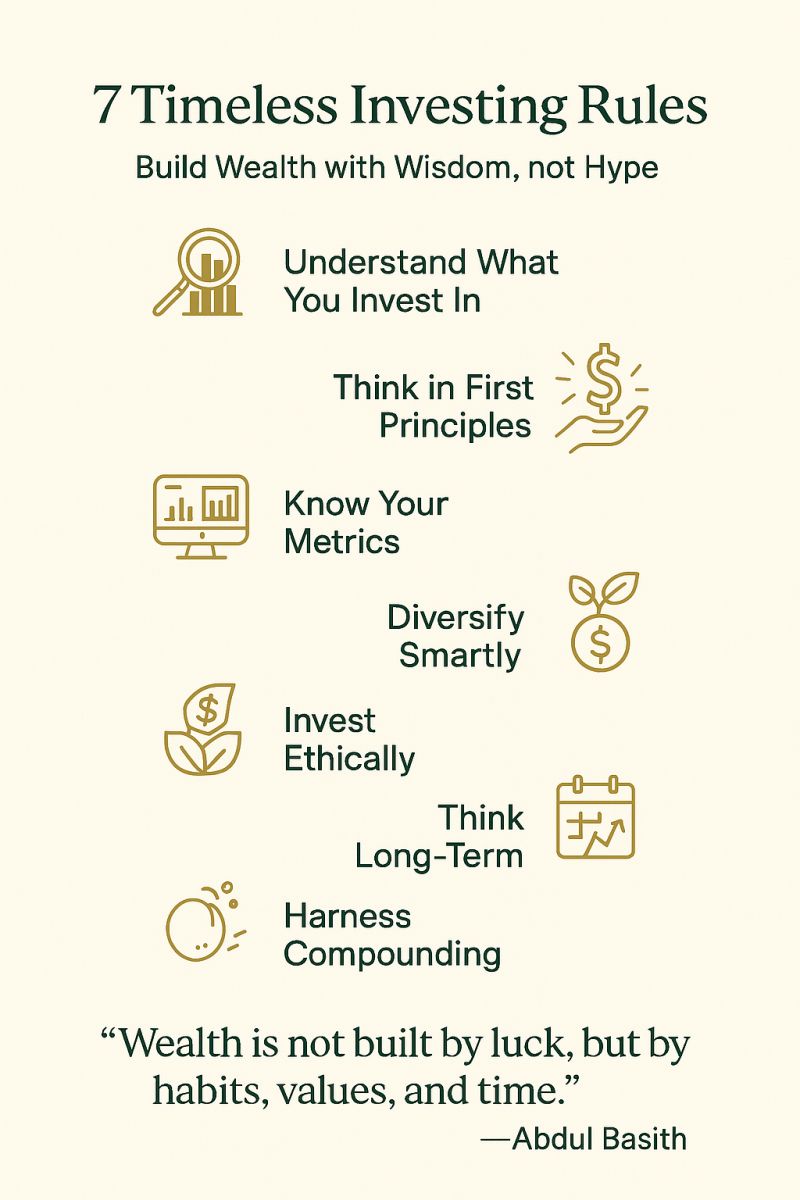
To Build Wealth Smartly, adopting disciplined investment habits is crucial. These habits not only enhance growth but also promote consistency and patience in your financial journey. Below are some essential practices to integrate into your investment strategy:
| Investment Habit | Description |
|---|---|
| Start Early | Compounding interest allows early investments to grow significantly over time. |
| Consistent Contributions | Regularly investing a fixed amount helps build wealth gradually through dollar-cost averaging. |
| Reinvestment of Dividends | Opting to reinvest dividends amplifies your returns, creating a snowball effect on your investment portfolio. |
| Regularly Review Portfolio | Assessing your investments periodically ensures alignment with your goals and market trends. |
| Educate Yourself Continuously | Staying informed about market dynamics and investment strategies equips you to make better decisions. |
By nurturing these habits, you set a solid foundation for your investments, ultimately positioning yourself for long-term financial growth. Embrace these strategies to Build Wealth Smartly and secure your financial future.
Mitigating Risks While You Build Wealth Smartly
Mitigating risks is a crucial step in the journey of wealth accumulation. Understanding your risk tolerance can significantly influence your investing choices. It’s essential to regularly review and adjust your portfolio to ensure you are not overly exposed to any single asset class.
| Investment Type | Risk Level | Examples | Mitigation Strategies |
|---|---|---|---|
| Stocks | High | Tech companies, startups | Diversify sectors, invest in ETFs |
| Bonds | Medium | Government, corporate bonds | Laddering bonds, holding to maturity |
| Real Estate | Medium to High | Rental properties, REITs | Location diversification, insurance |
| Mutual Funds/ETFs | Medium | Various sectors combined | Choose funds with different strategies |
| Commodities | High | Gold, oil | Use futures contracts, dollar-cost averaging |
By utilizing these strategies, investors can effectively lower potential risks linked to market volatility or economic downturns. Additionally, staying informed on market trends and adjusting your strategies accordingly will help create a resilient investment plan that fosters growth without compromising safety. Prioritizing risk management ultimately enhances your wealth-building efforts in the long run.
Frequently Asked Questions
What are the first steps to take when starting to build wealth from scratch?
To begin building wealth from scratch, start by assessing your current financial situation, which includes tracking your income, expenses, and debts. Create a budget to manage your money effectively. It’s essential to set clear financial goals, such as saving for emergencies, retirement, or a major purchase, and then prioritize them. Establishing a savings account to create an emergency fund should be a fundamental step, as it prepares you for unexpected expenses without derailing your long-term investment strategy.
How can I start investing with little money?
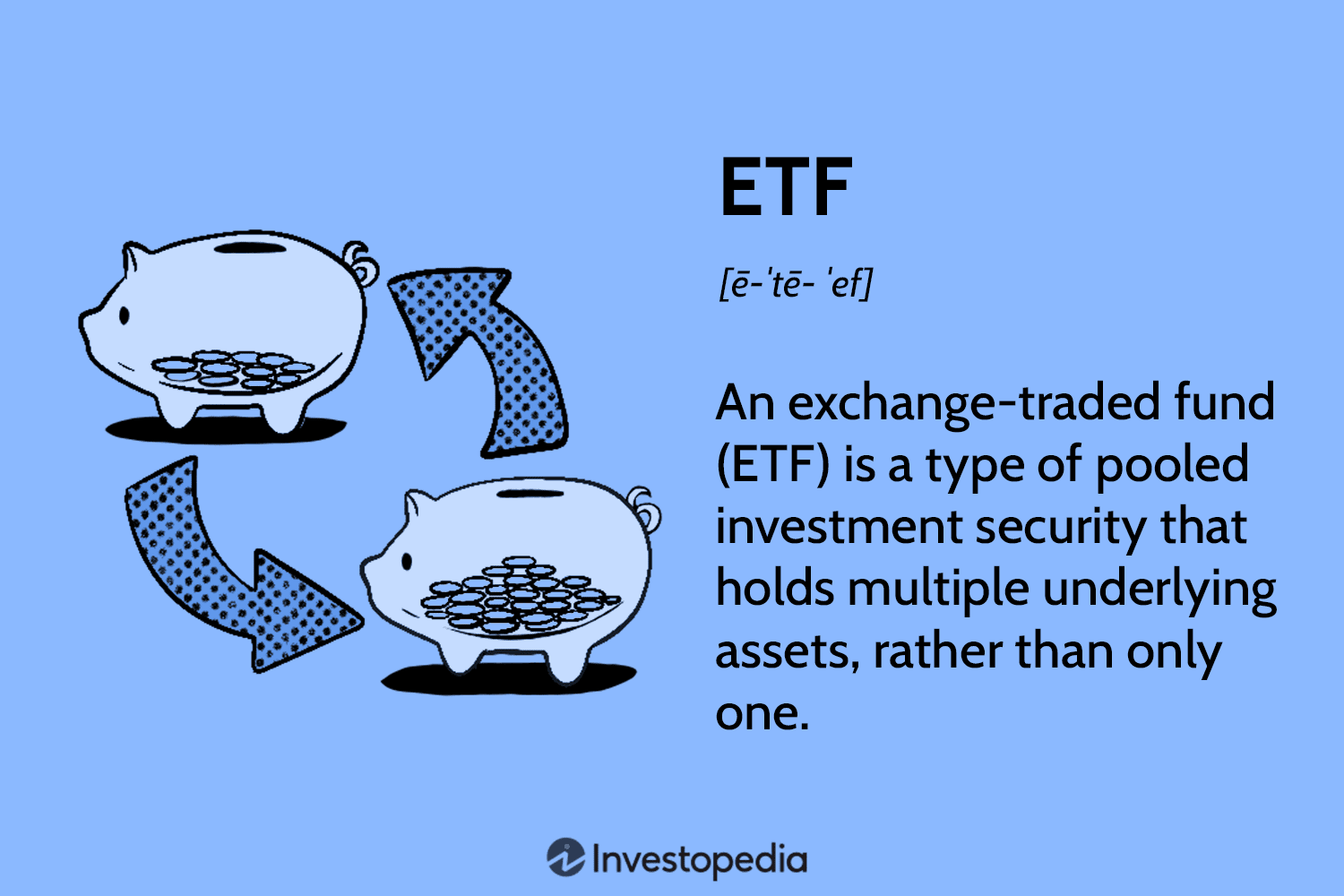
Starting to invest with limited funds is entirely possible through various platforms that allow fractional investing. Consider opening an investment account with a brokerage that offers low or no minimum deposit requirements. You can begin by putting small amounts into index funds or exchange-traded funds (ETFs), which provide diversified exposure to the stock market without the need for a large sum. Additionally, look into micro-investing apps that allow you to invest spare change from everyday purchases. The key is to start early and consistently, even if the amounts seem small.
What smart investing habits can help me grow my wealth over time?
Developing smart investing habits involves several key practices: first, make a habit of regularly contributing to your investments, even if it’s a small amount. Secondly, diversify your portfolio to minimize risk—don’t put all your money into one stock or asset class. Educate yourself continually about market trends, and be patient; investing is often a long-term endeavor. Avoid emotional decision-making during market fluctuations by sticking to your investment plan. Lastly, periodically review and rebalance your portfolio to ensure it aligns with your financial goals.
How long does it typically take to build substantial wealth through investing?
The timeline for building substantial wealth through investing varies greatly depending on factors like the amount you invest, the strategy you adopt, and market conditions. Generally, it can take several years to see significant growth, as compound interest and market fluctuations impact your investments. Financial experts often suggest that patience is vital; wealth building can take decades, especially if you’re investing in stable assets for long-term growth. The earlier you start and the more consistently you invest, the better off you will be in the long run.