How to Create a Monthly Investment Plan That Actually Works
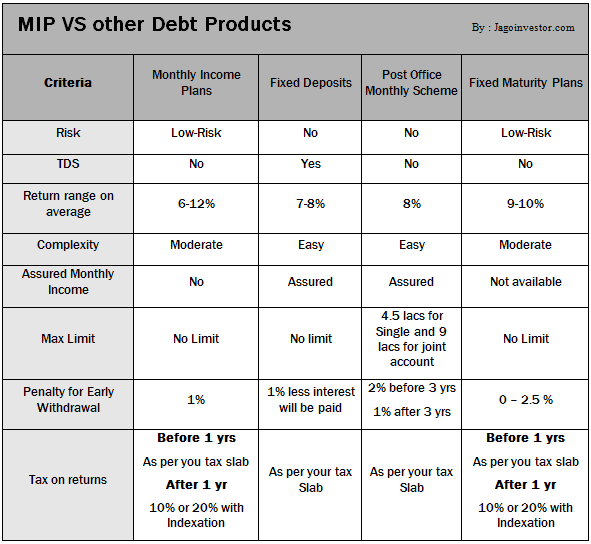
Creating a pathway to financial stability and growth can sometimes feel overwhelming, especially when it comes to investing. However, building a Monthly Investment Plan that aligns with your personal financial goals can simplify the process and set you on the right track. In this blog post, we’ll break down the essentials of crafting an effective investment strategy, from understanding the basics of a monthly plan to setting achievable financial goals, selecting suitable investment vehicles, and managing your budget. We’ll also highlight common pitfalls to avoid, ensuring your journey toward wealth accumulation is as smooth and successful as possible. Whether you’re a seasoned investor or just starting, this guide will equip you with the knowledge you need to make your investment plan work for you.
Understanding the Basics of a Monthly Investment Plan
Establishing a successful investment strategy begins with grasping the fundamentals. A Monthly Investment Plan involves consistently allocating a fixed sum of money into various assets, allowing for gradual wealth accumulation over time. This approach helps in capitalizing on market fluctuations and fosters disciplined saving habits.
Here are some essential concepts to consider:
| Concept | Description |
|---|---|
| Dollar-Cost Averaging | Mitigates the impact of market volatility by investing regularly. |
| Compound Interest | Earns interest on previous interest, significantly boosting returns over time. |
| Risk Diversification | Spreads investments across various assets to minimize potential losses. |
| Time Horizon | Determines the length for which you can invest, influencing risk tolerance. |
Understanding these principles is crucial for laying a strong foundation for your investment journey. By committing to a consistent plan, you can navigate the complexities of investing with greater confidence and purpose.
Setting Your Financial Goals for a Successful Investment Plan
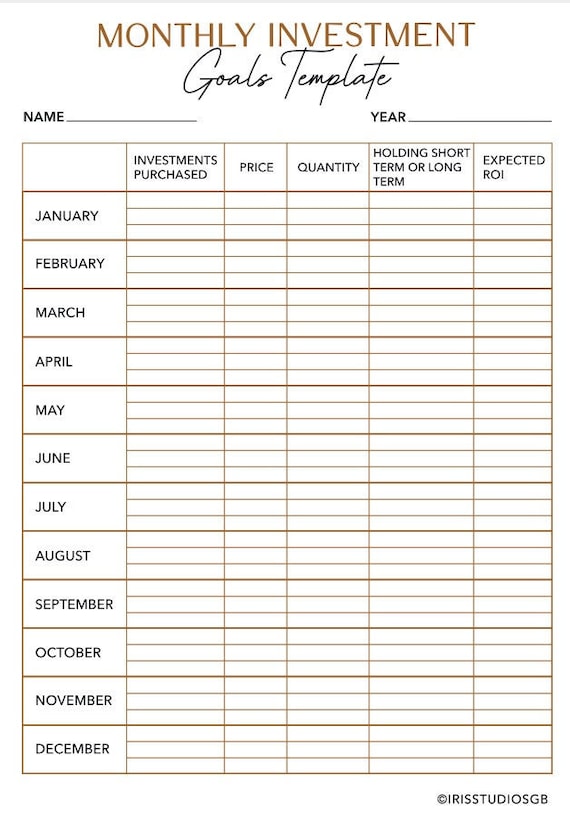
Establishing clear financial goals is crucial for your Monthly Investment Plan to thrive. These goals act as a roadmap, guiding your investment decisions and ensuring you stay focused. Here are some key considerations to keep in mind:
| Goal Type | Description | Time Frame |
|---|---|---|
| Short-term Goals | Needs within 1-3 years, like a vacation or a new car. | 1-3 years |
| Medium-term Goals | Larger purchases or investments, such as a home. | 3-7 years |
| Long-term Goals | Retirement savings or college funds for children. | 7+ years |
By identifying both short-term and long-term objectives, you can allocate your contributions efficiently. For example, if you aim to buy a house in five years, targeting stable investments with moderate returns may be more beneficial. Thus, clarity in your goals not only aids in decision-making but also helps in assessing progress, ensuring your Monthly Investment Plan aligns with your aspirations.
Choosing the Right Investment Vehicles for Your Monthly Contributions
Selecting the right investment vehicles is crucial for the success of your Monthly Investment Plan. Different options cater to varied risk tolerances, time horizons, and financial goals. Here’s a brief comparison of popular investment choices:
| Investment Vehicle | Risk Level | Potential Returns | Liquidity |
|---|---|---|---|
| High-Yield Savings Account | Low | Low | High |
| Mutual Funds | Medium | Moderate | Moderate |
| Stocks | High | High | High |
| Bonds | Low to Medium | Moderate | Moderate |
| ETFs | Medium | Moderate to High | High |
Diversification is key. While stocks offer significant growth potential, they come with higher risks. Consider a mix of mutual funds and bonds for stability. Additionally, ETFs provide a great balance, combining aspects of stocks and mutual funds while offering flexibility. Ultimately, aligning your investment choice with your goals will enhance the effectiveness of your Monthly Investment Plan.
Creating a Sustainable Budget for Your Monthly Investment Plan
Establishing a robust budget is essential for successfully implementing your Monthly Investment Plan. Start by assessing your income and expenses to determine how much you can comfortably invest each month. Here are some key elements to consider:
| Budget Element | Considerations |
|---|---|
| Income Sources | Evaluate salary, bonuses, or other earnings. |
| Fixed Expenses | Identify rent, utilities, and loan payments. |
| Variable Expenses | Account for groceries, dining, and entertainment. |
| Savings Goals | Set aside funds for emergencies and future needs. |
| Investment Allocation | Designate a specific portion for your investments. |
By prioritizing your expenses and recognizing discretionary spending, you can enhance your financial flexibility. Establish an investment threshold that does not hinder your daily lifestyle, ensuring that your commitments are sustainable long-term. Regularly revisiting and adjusting your budget allows you to stay aligned with your evolving financial goals, making your investment journey more effective.
Monitoring and Adjusting Your Monthly Investment Plan
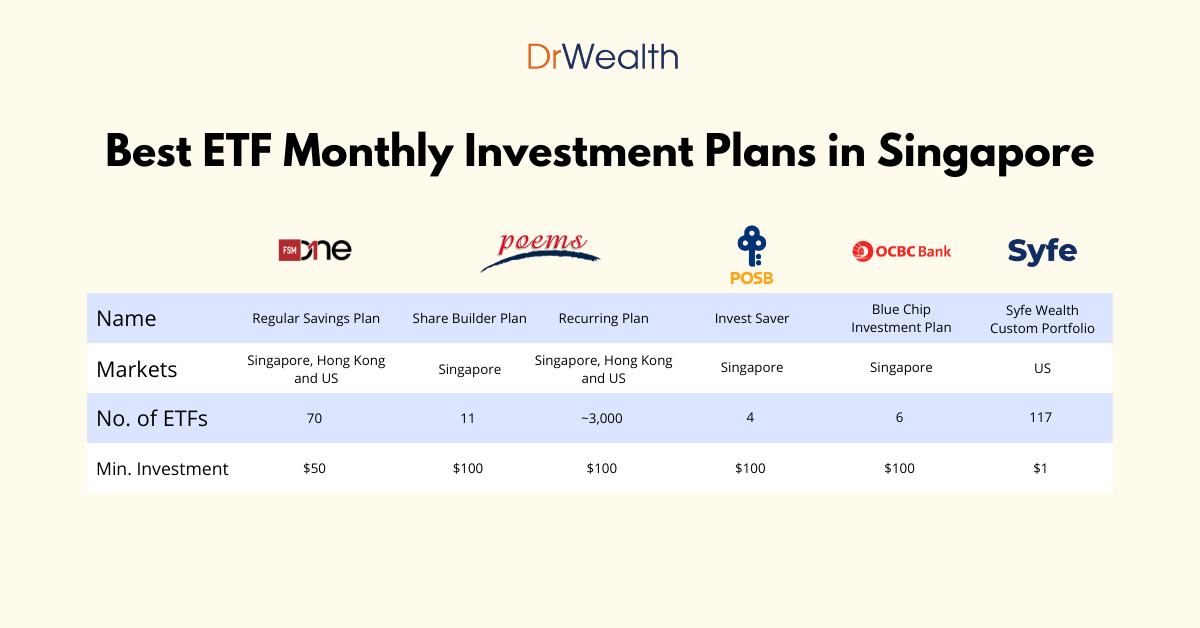
Regular monitoring and adjusting are crucial to ensuring that your investment journey remains on track. By systematically reviewing your portfolio, you can identify trends and make informed decisions. Consider the following key points for effective oversight:
| Aspect | Action | Frequency |
|---|---|---|
| Performance Review | Analyze investment returns | Quarterly |
| Financial Goals Check | Evaluate alignment with goals | Bi-annually |
| Risk Assessment | Adjust based on risk tolerance | Annually |
| Diversification Update | Ensure a balanced portfolio | Semi-annually |
Adapting your strategy allows you to respond promptly to market shifts. If you notice underperforming assets, consider reallocating those funds to higher-performing investments. Additionally, don’t hesitate to revisit your financial goals, as they may evolve over time. Awareness and proactivity are key components in maintaining a robust investment strategy. Regular adjustments driven by market conditions and personal circumstances enhance your chances of achieving long-term financial success.
Common Pitfalls to Avoid in Your Investment Journey
Navigating the world of investments can be daunting, especially when crafting a Monthly Investment Plan. To enhance your journey and achieve better returns, it’s crucial to be aware of common pitfalls:
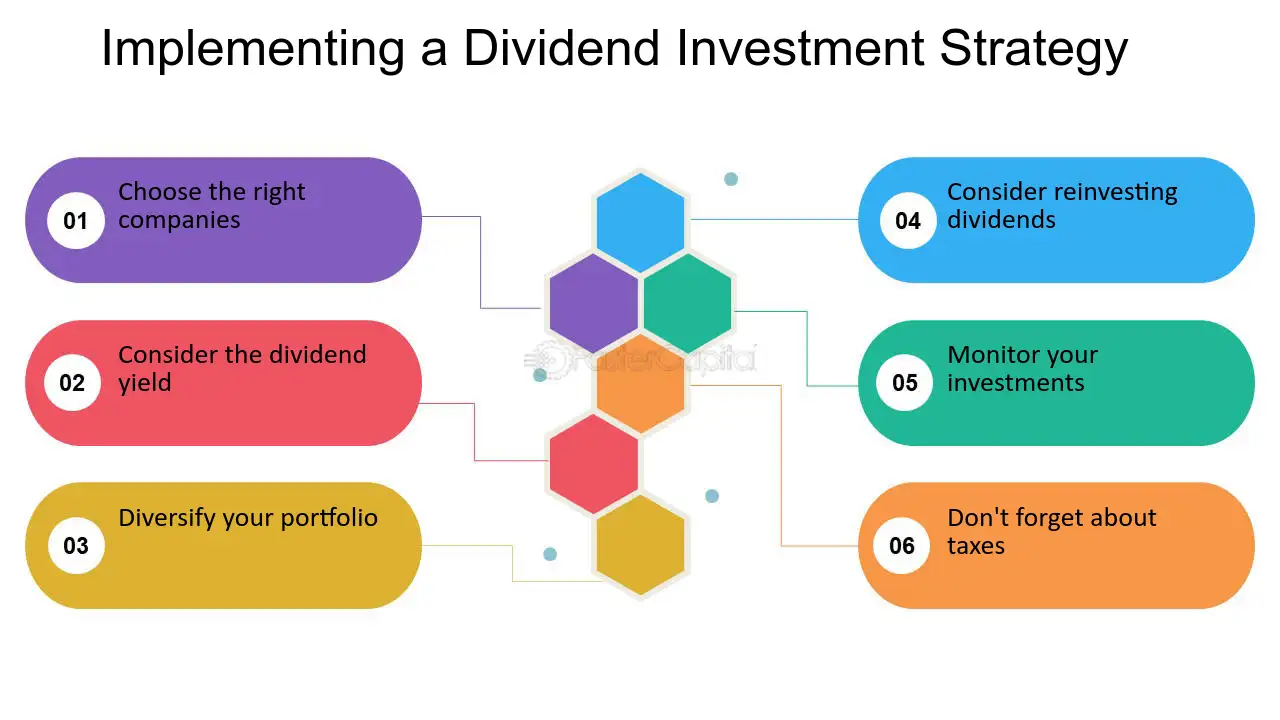
1. Emotional Decision-Making: Many investors let emotions dictate their choices, leading to impulsive buys or sells. It’s vital to stay methodical, focusing on your long-term objectives.
2. Ignoring Diversification: Putting all your eggs in one basket can be risky. Make sure to diversify your portfolio across different asset classes to mitigate risks effectively.
3. Neglecting Research: Failing to conduct adequate research can cost you dearly. Always analyze market trends and companies before making any investment.
4. Overcomplicating the Plan: Keeping your Monthly Investment Plan straightforward is essential. Complicated strategies can lead to confusion and poor execution.
5. Underestimating Fees: High transaction fees can erode your profits. Always assess the costs associated with your investments and look for low-fee options when possible.
By being aware of these pitfalls, you can better navigate your investment journey and set yourself up for success.
Frequently Asked Questions
What is a monthly investment plan and why is it important?
A monthly investment plan is a systematic investment strategy where you allocate a fixed amount of money every month to a specific investment vehicle, such as stocks, mutual funds, or retirement funds. This approach benefits investors by promoting discipline and ensuring consistent contributions, which can lead to compounding growth over time. Importantly, it helps in averaging out the cost of investments and mitigating the risks associated with market volatility.
How do I determine the amount to invest each month?
Determining the right amount to invest each month requires a careful assessment of your financial situation. First, analyze your income, expenses, and existing savings to establish a budget. It’s advisable to allocate a percentage of your income—commonly between 10-20%—toward investments. Consider your financial goals, such as saving for retirement or a house, your risk tolerance, and your investment horizon to determine the most suitable investment amount.
What types of investments should I include in my monthly investment plan?
Your monthly investment plan can include a range of investment options, depending on your financial goals and risk tolerance. Common choices include stocks for growth potential, bonds for stability, and mutual funds or exchange-traded funds (ETFs) for diversification. New investors may consider starting with low-cost index funds, while those more experienced might explore individual stocks or real estate. It’s essential to diversify across asset classes to minimize risk.
How can I track the performance of my monthly investment plan?
To effectively track the performance of your monthly investment plan, consider using investment tracking apps or platforms that can provide real-time data and analytics. Regularly review your investment portfolio at least quarterly to assess its growth against your financial goals. Look out for changes in the market that may require adjustments to your strategy. Maintaining a record of your past investments can also help in refining your approach over time.