Best Dividend Investing Strategies for Consistent Income
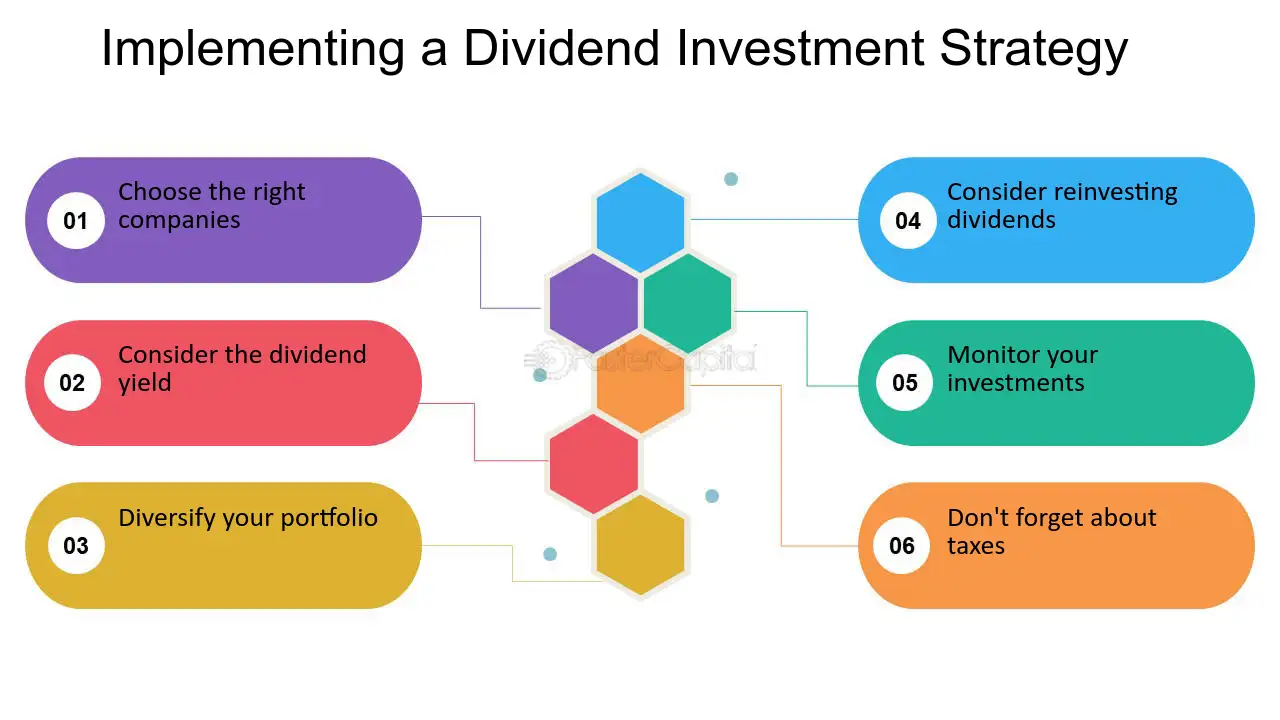
In an increasingly unpredictable financial landscape, the pursuit of consistent income has led many investors to explore the world of dividends. By understanding effective Dividend Investing Strategies, you can harness the power of dividend-paying stocks to build a reliable income stream while also enhancing your portfolio’s long-term growth potential. But how do you choose the right stocks, balance yield with sustainability, and navigate common pitfalls? This blog post will delve into the essentials of dividend investing, examining key factors to consider, the benefits of reinvestment, and tips for diversification to help you make informed decisions that can pave the way for financial stability and wealth accumulation.
Understanding Dividend Investing Strategies
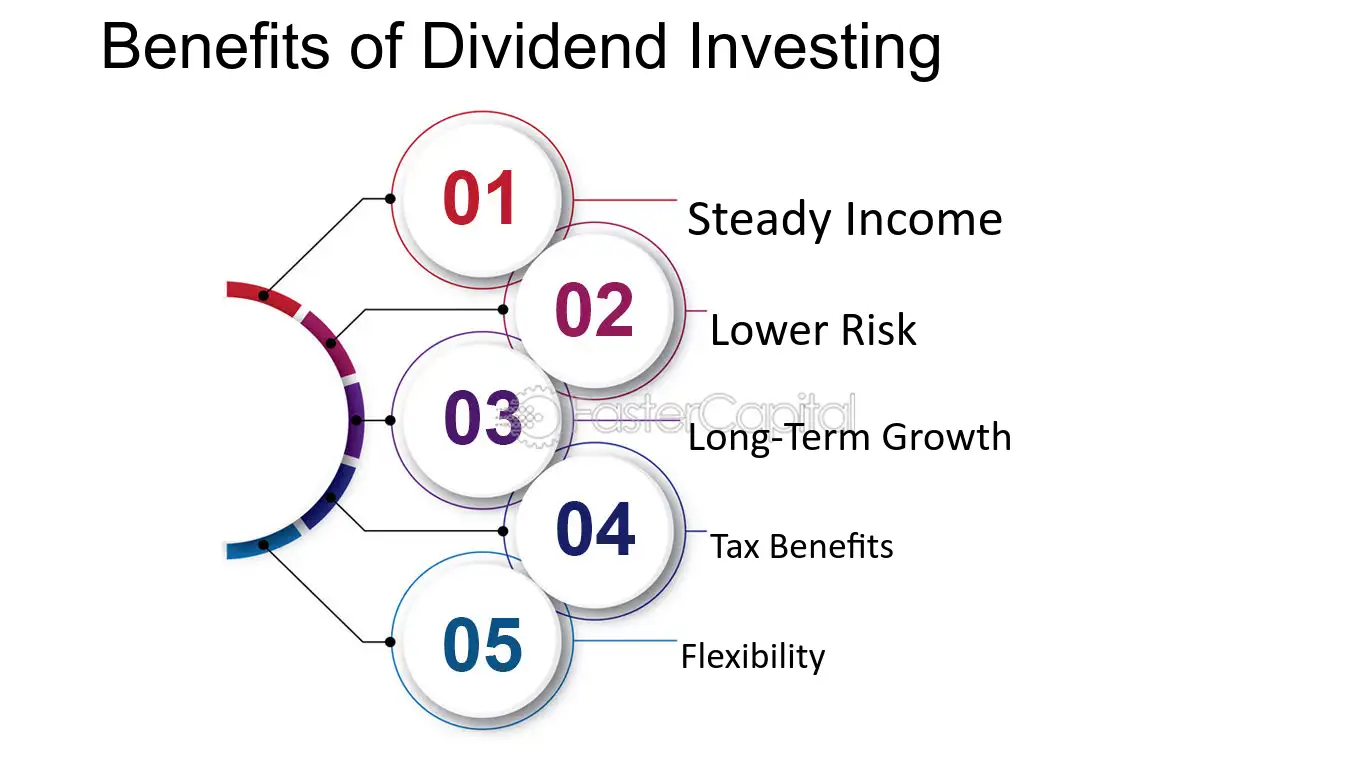
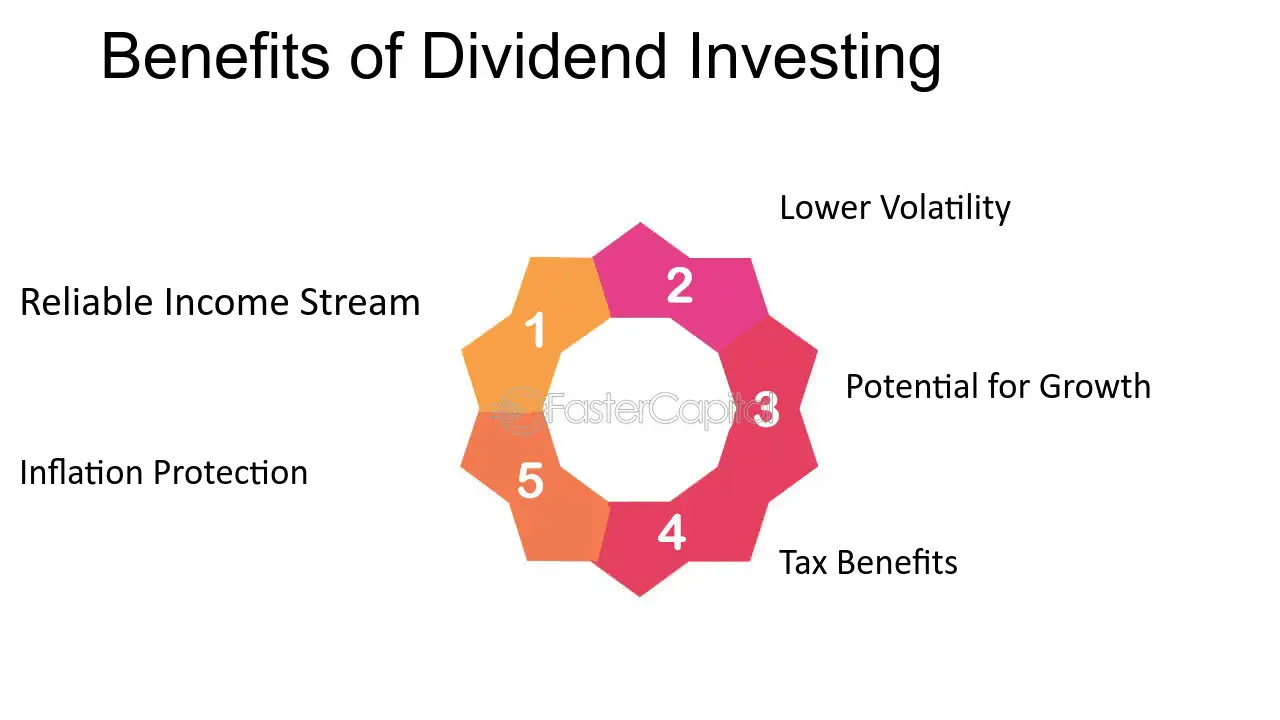
When it comes to generating consistent income, understanding the fundamentals is crucial. Dividend investing emphasizes buying stocks that pay regular dividends, offering a steady cash flow on top of potential capital appreciation. Here are some key aspects to consider:
| Key Point | Description |
|---|---|
| Passive Income | Dividends provide a reliable source of income without needing to sell stocks. |
| Long-Term Growth | Reinvesting dividends can significantly enhance your investment over time. |
| Market Resilience | Companies that consistently pay dividends often demonstrate financial stability. |
| Tax Advantages | In many jurisdictions, qualified dividends are taxed at a lower rate than regular income. |
By embracing these principles, investors can enhance their portfolios while minimizing risk. Adopting a strategic outlook on dividend opportunities allows one to create a balanced investment plan that’s both profitable and sustainable.
Factors to Consider When Choosing Dividend Stocks
When selecting the right dividend stocks, several key factors should guide your decisions. Understanding these aspects can significantly enhance your Dividend Investing Strategies.
| Factor | Explanation |
|---|---|
| Dividend Yield | Indicates the income return on investment. A higher yield could mean greater income but may also involve higher risks. |
| Payout Ratio | This ratio shows what portion of earnings is paid out as dividends. A lower ratio suggests sustainability. |
| Company Stability | Look for companies with a strong financial performance and consistent earnings growth, ensuring reliable dividends. |
| Dividend History | Companies with a track record of increasing dividends typically reflect stability and a commitment to shareholders. |
| Industry Trends | Analyze the industry dynamics; some sectors are more stable, offering greater security in dividends than others. |
By evaluating these factors, investors can make informed choices that align with their income goals and risk tolerance, ensuring a fruitful strategy in dividend investing.
High-Yield vs. Sustainable Dividends: What You Need to Know
When exploring Dividend Investing Strategies, one critical aspect is understanding the difference between high-yield and sustainable dividends.
High-yield dividends may seem attractive at first glance, often promising substantial returns. However, remember that they can come with greater risk. For instance, if a company’s payout ratio is excessively high, it may indicate financial instability, signaling potential future cuts in dividends.
| High-Yield Dividends | Sustainable Dividends | |
|---|---|---|
| Return | High, enticing | Moderate, consistent |
| Risk | Higher, volatile | Lower, stable |
| Payout Ratio | Often high | Typically balanced |
| Growth Potential | Limited | Generally higher |
In contrast, sustainable dividends offer stability and are backed by a company’s steady earnings. These dividends typically have lower payout ratios, which allows companies to weather economic downturns effectively. As you refine your investment strategy, weigh the benefits but also consider the risks of both dividend types to build a robust income-generating portfolio.
The Role of Dividend Reinvestment Plans in Wealth Building
Dividend Reinvestment Plans (DRIPs) play a crucial role in Dividend Investing Strategies by allowing investors to automatically reinvest their dividends into additional shares of the underlying stock. This strategy not only enhances the compounding effect but also helps in wealth accumulation over time. Here’s why DRIPs are valuable:
| Key Benefits | Description |
|---|---|
| Compounding Growth | Reinvesting dividends leads to exponential growth in shares and capital over time. |
| Cost-effective Investing | DRIPs often eliminate brokerage fees for purchasing shares, maximizing returns. |
| Dollar-Cost Averaging | Regular reinvestment reduces the impact of market volatility by averaging out costs. |
| Long-term Focus | Encourages a disciplined, long-term investment approach rather than short-term speculation. |
By leveraging DRIPs, investors can build their wealth steadily through a smart reinvestment strategy, ultimately leading to greater financial security and success.
Diversifying Your Portfolio with Dividend Stocks
Diversification is vital for managing risk while pursuing steady income through investments. By incorporating dividend stocks into your portfolio, you can achieve a balanced approach to wealth building. Here are some key aspects to consider:
| Aspect | Description |
|---|---|
| Sector Variation | Invest in dividend stocks across various sectors, such as utilities, health care, and consumer goods to mitigate sector-specific risks. |
| Market Capitalization | Blend large-cap, mid-cap, and small-cap dividend stocks to capitalize on different growth opportunities and stability levels. |
| Geographic Diversity | Explore dividend-paying companies from international markets to guard against local economic downturns. |
| Dividend Payout Ratios | Analyze companies with varying payout ratios to balance between high-yield and sustainable dividends in your holdings. |
Incorporating these Dividend Investing Strategies helps you build a resilient portfolio that not only generates consistent income but also remains adaptable in changing market conditions. Remember, a well-diversified portfolio can weather economic fluctuations while still delivering those crucial dividend payments.
Common Mistakes to Avoid in Dividend Investing
When navigating the world of Dividend Investing Strategies, it’s crucial to be aware of common pitfalls that can hinder your financial growth. First, many investors chase high-yield dividends without considering sustainability. While attractive, these yields may not be supported by the company’s earnings, leading to potential payout cuts.
Next, neglecting diversification can expose you to undue risk. Investing too heavily in a single sector or stock can amplify losses, particularly in volatile markets. Also, failing to reinvest dividends can stunt the compounding effect that contributes to wealth building over time.
Lastly, lack of research on a company’s fundamentals can lead to poor investment choices. Always evaluate a company’s earnings stability, payout ratio, and historical dividend growth to ensure you’re making informed decisions. By avoiding these mistakes, you can optimize your dividend investing journey and secure consistent income.
Frequently Asked Questions
What is dividend investing and how does it work?
Dividend investing is a strategy where investors purchase stocks that regularly pay dividends, which are portions of a company’s earnings distributed to shareholders. This typically involves identifying reliable companies with strong financial health and a history of consistently paying dividends. Investors benefit from receiving regular income through these dividends while potentially also experiencing capital appreciation if the stock price increases over time.
What are the best strategies for successful dividend investing?
To be successful in dividend investing, it’s crucial to focus on selecting companies with a solid track record of dividend payments, preferably with a history of increasing dividends over time. Additionally, conducting thorough research on a company’s payout ratio, financial stability, and market position can help assess sustainability. Diversifying your portfolio across various sectors may also mitigate risks while maintaining income flow.
How often do dividends get paid out?
Dividends can be paid out at different intervals depending on the company’s policy, with the most common schedules being quarterly, semi-annually, or annually. Many established companies tend to distribute dividends quarterly to provide regular cash flow to their shareholders. However, it is essential to review each company’s dividend policy as they may vary significantly from one organization to another.
What risks should I consider when investing in dividend stocks?
While dividend stocks can offer consistent income, there are several risks to consider. Companies may cut or suspend dividends in challenging financial conditions, which could lead to reduced income and a potential decrease in share price. Moreover, industry changes and economic downturns can impact companies’ dividends. Thus, conducting due diligence, monitoring economic indicators, and diversifying your investments are critical for managing risk.