How to Invest in ETFs for Passive Income and Portfolio Growth
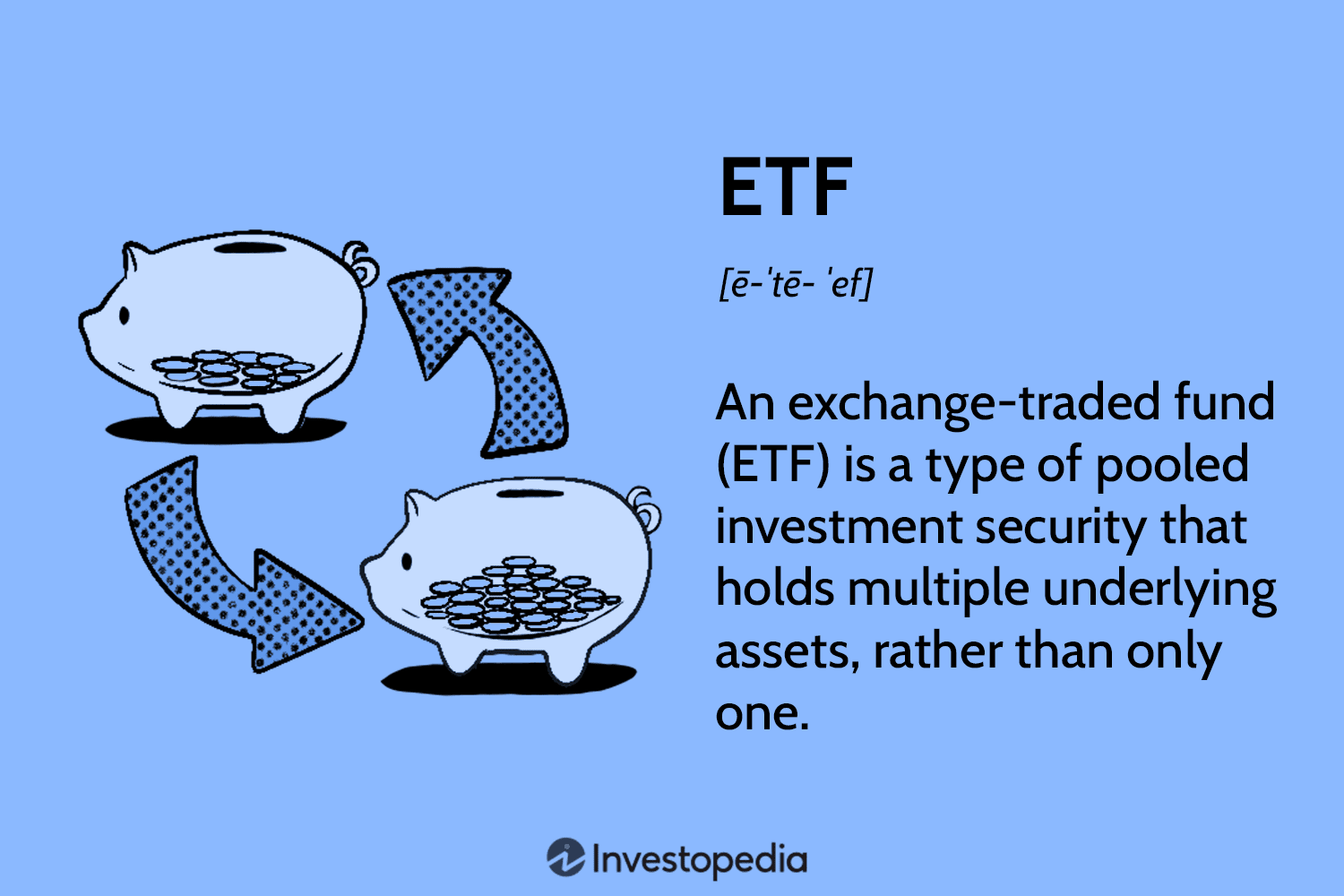
In today’s fast-paced financial landscape, investors are on the lookout for dependable methods to grow their wealth while enjoying the benefits of passive income. One effective avenue to explore is exchange-traded funds (ETFs), a versatile investment vehicle that not only offers diversification but also can be tailored to fit individual investment strategies. In this guide, you will gain a comprehensive understanding of the mechanics behind ETFs and discover how to invest in ETFs wisely, emphasizing their potential for generating income and enhancing your portfolio. From choosing the right funds to managing risks and monitoring your investments, we’ll equip you with the tools needed to navigate the exciting world of ETFs for sustainable financial growth.
Understanding ETFs: What You Need to Know Before You Invest in ETFs
Exchange-Traded Funds (ETFs) have gained popularity among investors seeking passive income and portfolio growth. Understanding these investment vehicles is crucial before making any financial commitments. Here are some key points to consider:
| Key Points | Details |
|---|---|
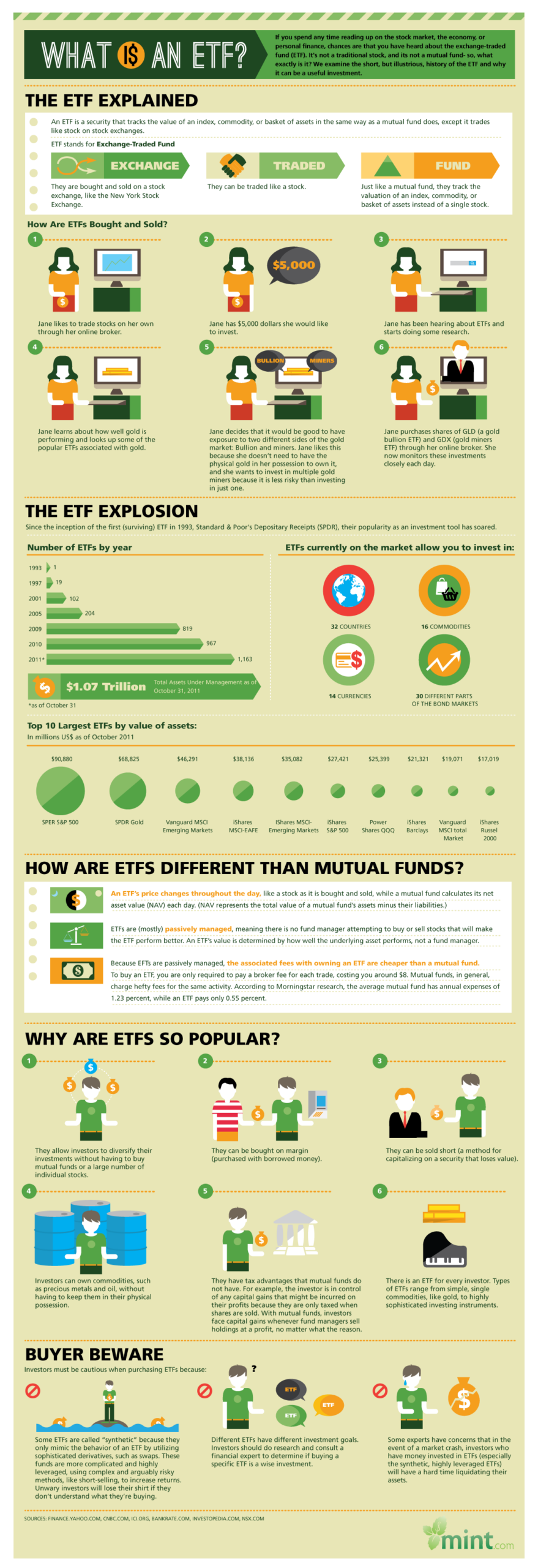
| Definition | ETFs are funds that track various indices, commodities, or assets and trade on stock exchanges like individual stocks. |
| Diversification | Investing in an ETF allows you to diversify your portfolio as they comprise multiple securities, reducing risk. |
| Liquidity | ETFs are traded throughout the day, providing investors the flexibility to buy and sell at market prices. |
| Cost-Effectiveness | Generally, ETFs have lower fees compared to mutual funds, making them an attractive option for budget-conscious investors. |
| Tax Efficiency | They typically offer tax advantages due to their unique structure that minimizes capital gains distributions. |
By familiarizing yourself with these aspects, you can make informed decisions that align with your financial goals. Understanding ETFs will ultimately enhance your investment strategy and pave the way for successful portfolio growth.
The Benefits of Investing in ETFs for Passive Income
Investing in ETFs offers several unique benefits that make them an excellent choice for passive income seekers. Here are some key advantages:
| Benefit | Description |
|---|---|
| Diverse Exposure | ETFs provide access to a wide range of assets, reducing specific risk while maintaining growth potential. |
| Dividends | Many ETFs hold dividend-paying stocks, which can generate steady passive income through regular distributions. |
| Low Cost | Typically, ETFs have lower expense ratios compared to mutual funds, allowing you to keep more of your earnings. |
| Flexibility | ETFs are traded on stock exchanges, giving you the flexibility to buy and sell them throughout the trading day. |
| Tax Efficiency | ETFs often have lower capital gains distributions, which may result in favorable tax treatment for investors. |
By focusing on these benefits, you can make a well-informed decision to invest in ETFs and enhance your passive income strategy while fostering growth in your portfolio.
Choosing the Right ETFs: Factors to Consider When You Invest in ETFs
Selecting the appropriate ETFs can significantly impact your investment journey. Start by considering expense ratios; these fees can eat into your returns over time. Look for funds with low expense ratios to maximize your profit potential.
Next, assess liquidity. Higher trading volumes often indicate a more liquid ETF, making it easier to buy and sell without affecting the price.
Additionally, evaluate the fund’s performance history. Historical performance isn’t a guarantee of future results, but it can provide insights into how the fund reacted during market fluctuations.
Furthermore, consider the underlying index the ETF tracks; understanding this will clarify what your investment entails.
Finally, align your chosen ETFs with your investment goals and risk tolerance. Do you seek growth, income, or a balanced approach? By reflecting on these key factors, you can confidently make informed decisions and invest in ETFs that suit your financial aspirations.
Strategies for Using ETFs to Increase Portfolio Growth
When it comes to enhancing your portfolio growth, implementing effective strategies is crucial. Here are a few powerful methods you can utilize:
| Strategy | Description |
|---|---|
| Dollar-Cost Averaging | Invest a fixed amount regularly, reducing the impact of market volatility on your investments. |
| Sector Rotation | Shift investments between sectors based on market performance to capitalize on growth trends. |
| Dividend Reinvestment | Reinvest dividends from ETFs to purchase more shares, compounding your growth over time. |
| Asset Allocation | Diversify your portfolio by balancing different asset classes to optimize risk and return. |
To maximize growth, invest in ETFs that align with your risk tolerance and investment goals. By using these strategies, you can not only enhance your portfolio’s performance but also cultivate robust long-term returns. Remember, staying informed about market trends and adjusting your strategies accordingly will lead to better outcomes in your investment journey.
Managing Risks When You Invest in ETFs
Managing risks is crucial when creating a successful ETF investment strategy. Like any financial investment, ETFs come with their own set of uncertainties. By understanding and mitigating these risks, you can safeguard your portfolio and enhance your chances of profitability.
Key Risks and Management Strategies:
| Risk Type | Description | Management Strategy |
|---|---|---|
| Market Risk | The potential for losses due to fluctuations in the market. | Diversify across various sectors and countries. |
| Liquidity Risk | The risk of not being able to buy or sell your ETFs quickly. | Choose ETFs that have higher trading volumes. |
| Tracking Error | The difference between an ETF’s performance and its benchmark index. | Monitor the expense ratio and fund management quality. |
| Currency Risk | Exposure when investing in international ETFs. | Use currency-hedged ETFs to reduce exposure. |
By implementing a thoughtful approach to risk management, you can effectively preserve your capital while still pursuing growth. Additionally, regularly reviewing your investment choices can help you adapt to changing market conditions. Thus, as you consider the best options for your portfolio, remember that minimizing risks should always be a top priority. Boldly invest in ETFs while employing these risk management strategies for a more secure investment experience.
How to Monitor and Adjust Your ETF Investments for Optimal Returns
Monitoring and adjusting your ETF investments is crucial for optimizing returns. First, keep a watchful eye on the performance of your ETFs by regularly checking their Net Asset Value (NAV) and comparing them against relevant benchmarks. A simple comparison table can help:
| ETF Name | 3-Month Return | 6-Month Return | Annual Return |
|---|---|---|---|
| ETF A | 5% | 10% | 15% |
| ETF B | 8% | 12% | 18% |
| ETF C | 4% | 9% | 14% |
Additionally, consider economic indicators that may affect the sectors your ETFs are invested in. If a particular sector shows signs of stagnation or decline, it might be time to adjust your holdings.
Finally, periodic rebalancing is essential. This involves selling higher-performing ETFs to buy those that are underperforming, thus maintaining your desired asset allocation. By actively managing your portfolio, including re-evaluating your investment strategy and invest in ETFs that align with your financial goals, you can maximize your potential for growth and income.
Frequently Asked Questions
What are ETFs and how do they work in generating passive income?
ETFs, or Exchange-Traded Funds, are investment funds that trade on stock exchanges, similar to individual stocks. They hold a collection of various securities, such as stocks, bonds, or commodities. ETFs can generate passive income through dividends, which are paid out from the profits earned by the underlying assets. Investors can purchase shares of an ETF, thus diversifying their investment across multiple assets while enjoying the benefits of passive income streams.
How can I select the best ETFs for my investment strategy?
Selecting the best ETFs involves considering various factors, such as your investment goals, risk tolerance, and financial situation. You should look for ETFs that align with your objective, whether that be passive income generation or capital appreciation. Evaluating an ETF’s historical performance, expense ratio, and the underlying index it tracks can provide critical insights. Additionally, diversifying your ETF investments across different sectors can help mitigate risks and enhance potential returns.
Is it necessary to have a brokerage account to invest in ETFs?
Yes, to invest in ETFs, you typically need a brokerage account. ETFs are bought and sold on stock exchanges, just like individual stocks. A brokerage account allows you to execute buy and sell orders for ETFs throughout the trading day. Many online brokers provide user-friendly platforms for trading ETFs and often offer various resources and tools to assist with research and analysis, making it easier for investors to manage their portfolios effectively.
What are the tax implications of investing in ETFs?
The tax implications of investing in ETFs depend on several factors, including the type of ETF and your individual tax situation. Generally, long-term capital gains from ETFs are taxed at a lower rate than ordinary income. Additionally, if you receive dividends from the ETF, these are usually subject to taxation as well. It’s essential to consult with a financial advisor or tax professional to understand your specific tax obligations, especially when it comes to strategies like tax-loss harvesting and managing distributions.