How to Start Investing with Little Money for Beginners
In today’s fast-paced financial landscape, the idea of investing may seem daunting, especially for those who believe they need substantial funds to get started. However, the truth is that you can embark on your investment journey with little money and still pave the way for future wealth. This guide is tailored for investing beginners who are ready to take their first steps into the world of finance. By understanding the basics of investing, recognizing the importance of starting small, and exploring key investment options available for those with limited funds, you can unlock the potential for growth. Additionally, we’ll discuss how to develop a budget-friendly investment strategy, minimize risk with smart tips, and leverage technology through user-friendly apps designed specifically for novice investors. Let’s dive into the essentials and empower your financial future!
Understanding the Basics of Investing for Beginners
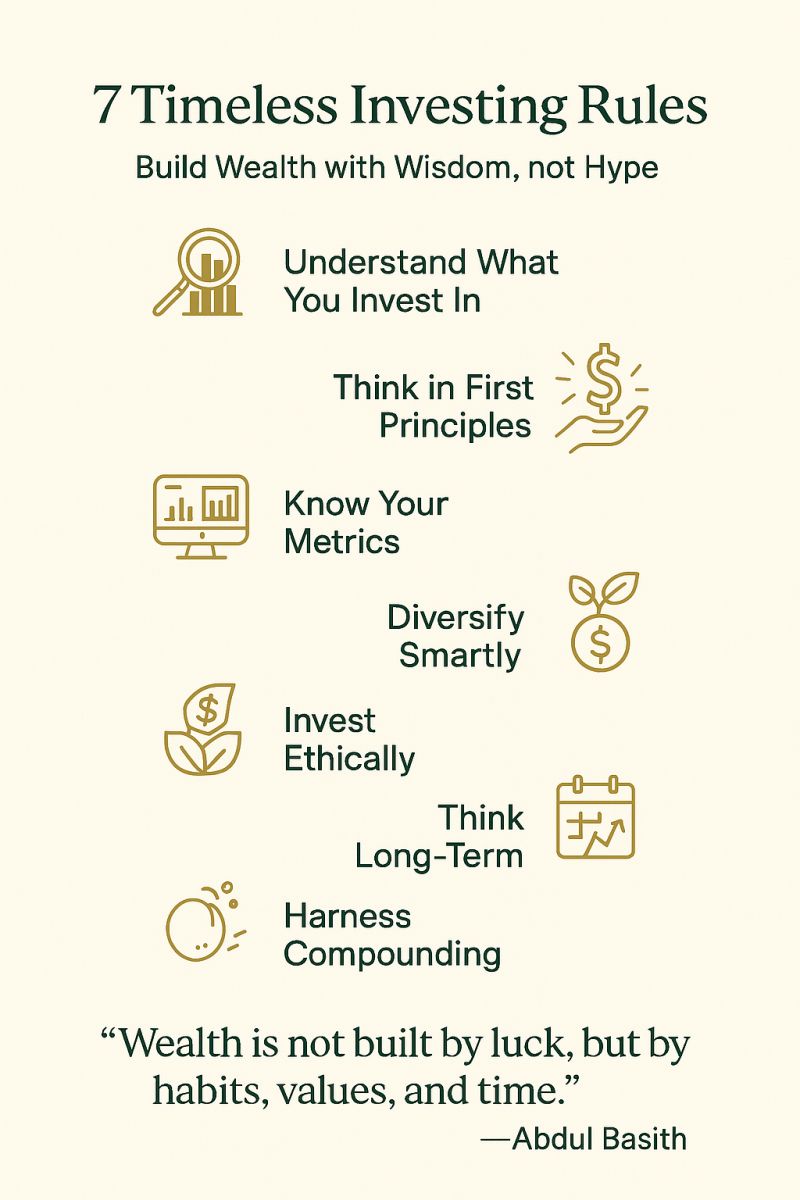
Diving into the world of investing can be both exciting and daunting, especially for investing beginners. It’s essential to grasp some fundamental concepts to build a solid foundation.
Key Concepts to Understand:
| Concept | Description |
|---|---|
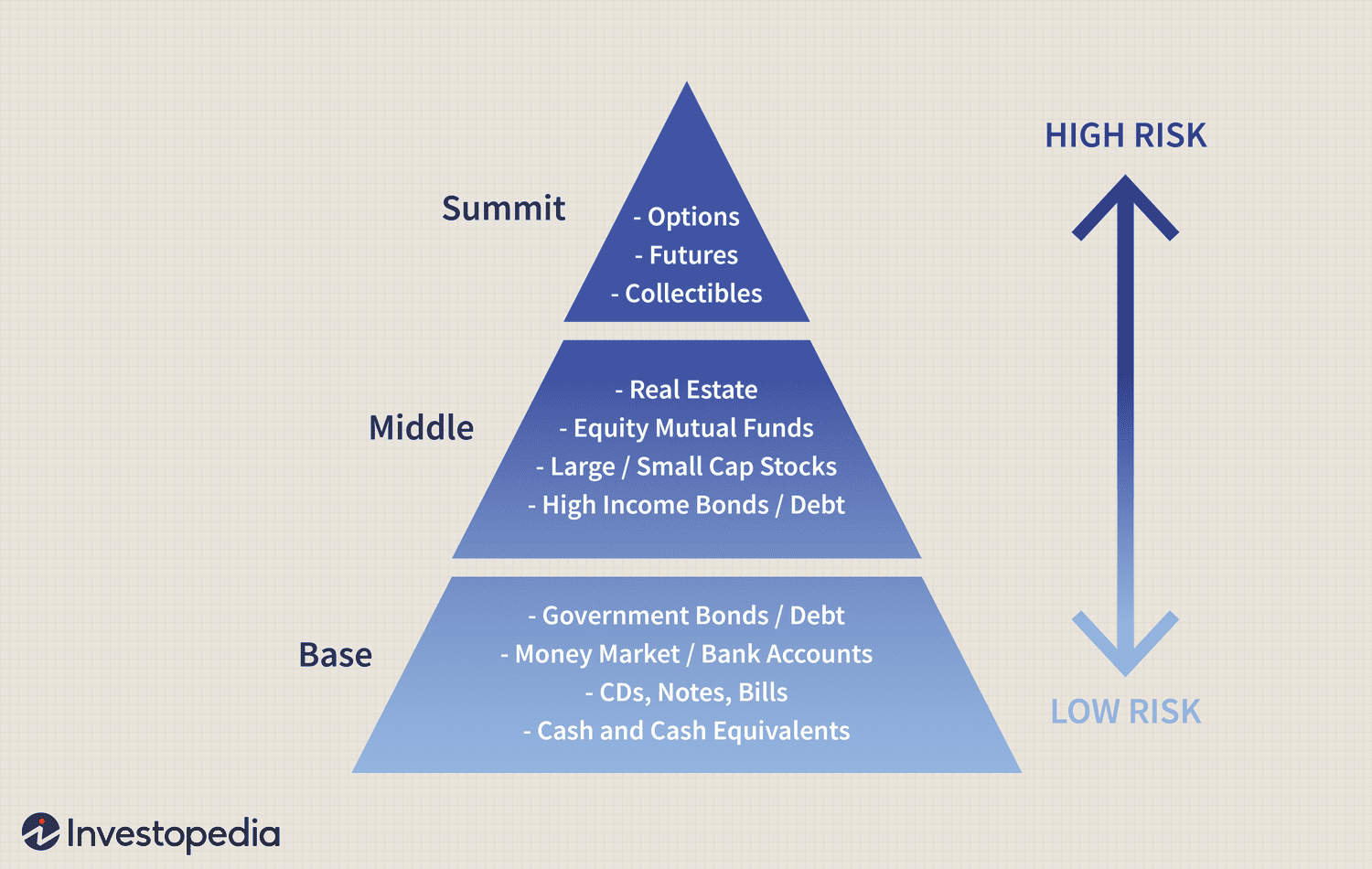
| Risk and Return | Higher potential returns often come with increased risk. Understand your risk tolerance before investing. |
| Diversification | Spread your investments across various assets to reduce risk. A balanced portfolio can cushion against losses. |
| Investment Types | Familiarize yourself with stocks, bonds, and mutual funds. Each type offers different opportunities and risks. |
| Time Horizon | Determine how long you plan to invest. Longer time horizons can typically tolerate more risk. |
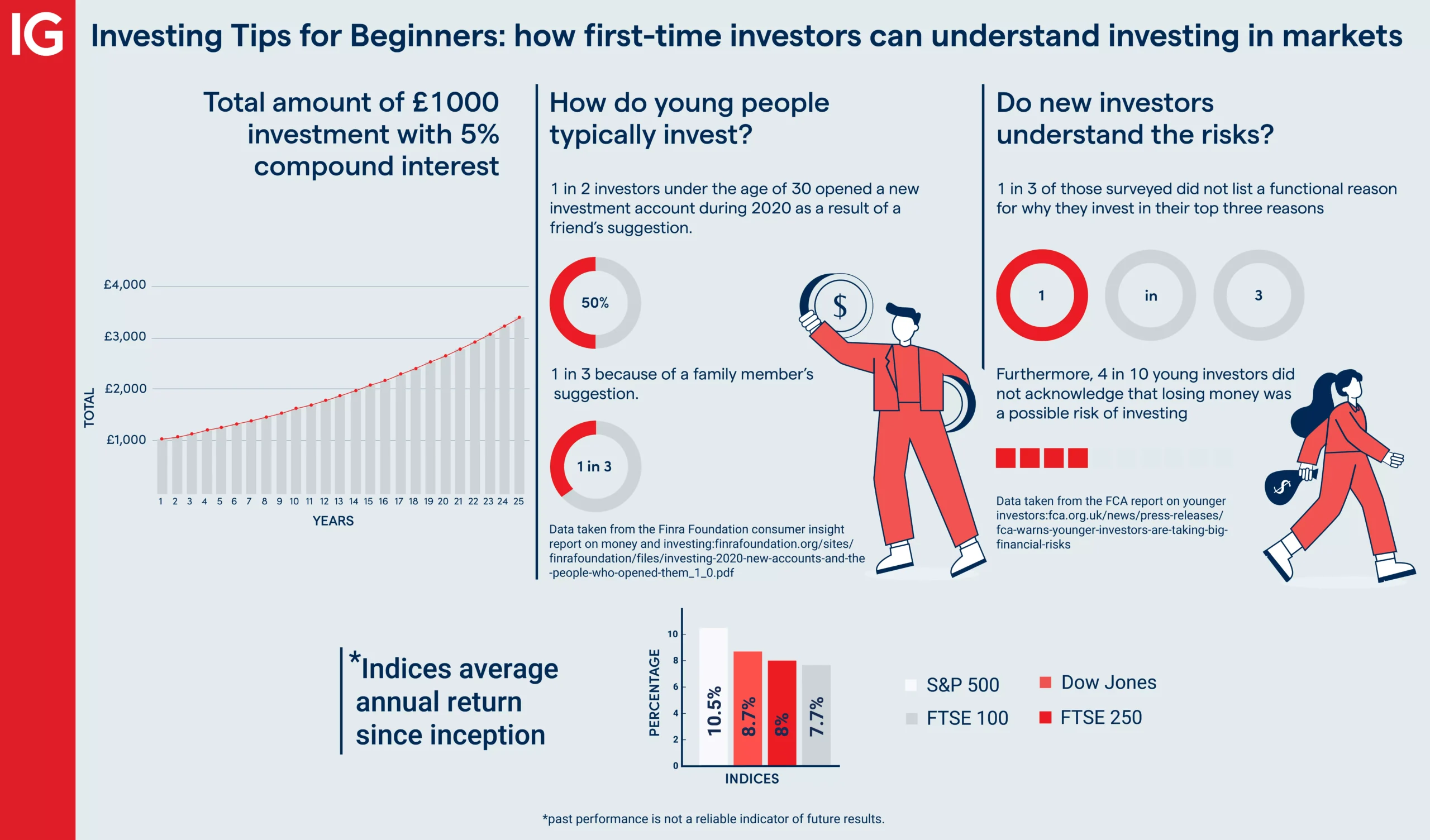
| Compound Interest | Learn how your investments can grow over time through reinvestment of earnings. |
Starting small and learning the basics helps investing beginners make informed choices. Education is the first step toward successful investing!
The Importance of Starting Small: A Guide for Investing Beginners
Starting small is a vital principle for investing beginners. It not only reduces risk but also builds confidence in managing investments. Embracing this approach allows newcomers to learn the ropes without overwhelming themselves. Here are key benefits of starting small:
| Key Points | Benefits |
|---|---|
| Lower Risk | Less financial loss, making it easier to recover. |
| Gradual Learning Curve | Allows newcomers to learn investment strategies slowly. |
| Flexibility | Smaller investments allow for quick adjustments. |
| Psychological Comfort | Reduces stress and anxiety linked to larger stakes. |
By beginning with manageable amounts, investing beginners can experiment with different investment types, assess their risk tolerance, and gradually build a diversified portfolio. This method not only enhances their financial literacy but also paves the way for sustainable growth in their investing journey.
Key Investment Options for Those with Limited Funds
When it comes to investing, investing beginners often feel overwhelmed by the choices available. Fortunately, several investment options cater to those with limited funds, making it easier to start your investment journey. Here’s a brief overview of some key options:
| Investment Type | Description | Pros | Cons |
|---|---|---|---|
| Stocks | Buying shares of public companies to share in their profits | High potential returns | Risk of loss in value |
| Exchange-Traded Funds (ETFs) | Bundled stocks or securities traded on exchanges | Diversification with lower cost | Management fees can apply |
| Robo-Advisors | Automated investment platforms creating portfolios | Low fees, easy to use | Less personalization |
| Savings Accounts | Traditional or high-yield savings with small interest | Low risk, easy access | Lower returns compared to stocks |
While stocks may offer higher returns, investing beginners might prefer ETFs for diversification. Robo-advisors are perfect for those who want a hands-off approach, while savings accounts provide a safe place to start. By evaluating these options, you can develop a solid foundation for building your investment portfolio, even with limited funds.
Developing a Budget-Friendly Investment Strategy
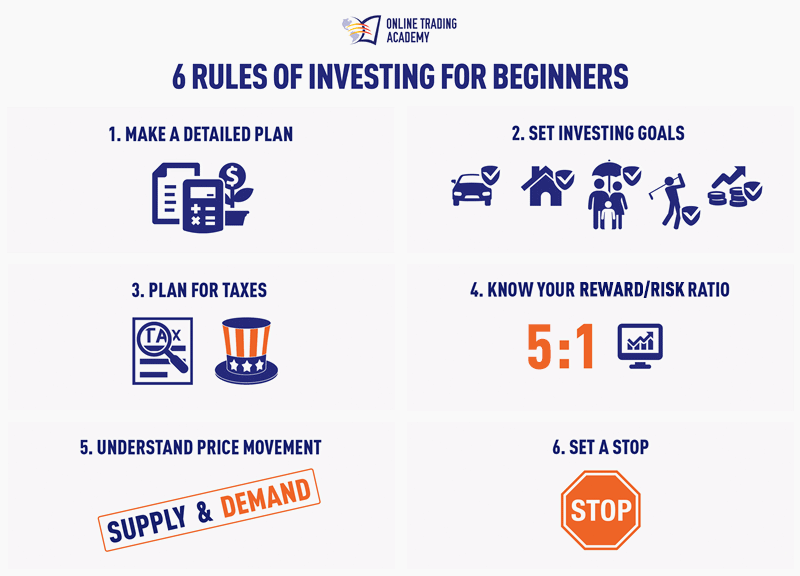
Creating a budget-friendly investment strategy is essential for investing beginners who may feel overwhelmed by financial constraints. By following these key steps, you can effectively allocate your limited funds without exhausting your resources:
| Step | Description |
|---|---|
| Set Clear Goals | Decide what you want to achieve, whether it’s saving for retirement or building an emergency fund. |
| Establish a Budget | Determine how much you can invest monthly after meeting your essential expenses. |
| Diversify Your Investments | Spread your investments across various assets to mitigate risk while maximizing potential returns. |
| Research Investment Options | Explore budget-friendly options like ETFs or low-cost index funds that require minimal initial investments. |
| Monitor and Adjust | Regularly review your investment performance and adjust your strategy to stay aligned with your goals. |
By adopting these practices, investing beginners can build a solid foundation for their financial future while minimizing stress and financial strain.
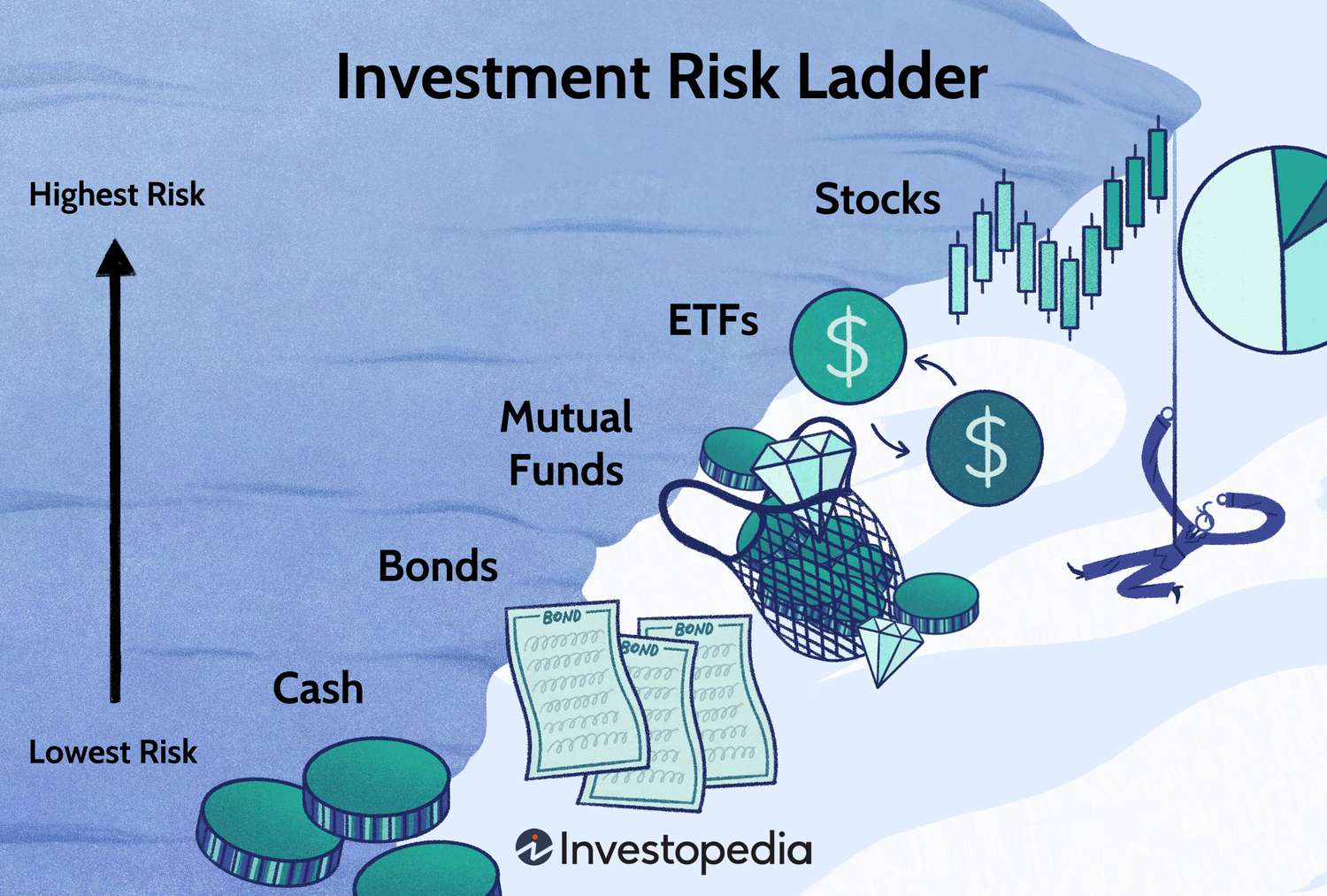
Tips for Investing Beginners to Minimize Risk
Investing can be intimidating, especially for investing beginners. However, minimizing risk is essential for building a successful portfolio. Here are some effective tips to consider:
| Tip | Description |
|---|---|
| Diversify Your Portfolio | Spread investments across various asset classes to reduce potential losses. |
| Start with Low-Risk Options | Choose safer investments, like bonds or index funds, before venturing into higher-risk assets. |
| Set a Budget | Determine an investment budget and stick to it to avoid overextending financially. |
| Stay Informed | Regularly read market trends and news to make better-informed decisions. |
| Invest for the Long Term | Focus on long-term growth rather than short-term gains to withstand market fluctuations. |
By implementing these strategies, investing beginners can navigate the complexities of the investment world with confidence and reduced risk.
Using Technology to Your Advantage: Apps for Investing Beginners
In today’s digital age, investing beginners can leverage technology to make informed financial decisions with ease. Various investment apps help users navigate the complex world of finance without needing a large capital upfront. Here are some popular options:
| App Name | Key Features | Best For |
|---|---|---|
| Robinhood | Commission-free trading | Stock and ETF investments |
| Acorns | Automatic round-ups for investments | Beginners with spare change |
| Stash | Personalized guidance and education | Learning while investing |
| Betterment | Robo-advisor, automated portfolio management | Hands-off investors |
These apps simplify the investing process, providing educational resources and intuitive user interfaces. Besides, they often include social networking features to connect with other investing beginners, fostering a sense of community. Maximizing these technological tools leads to informed investments and ultimately builds confidence in your financial journey. Start exploring these apps today and empower yourself in the investment landscape!
Frequently Asked Questions
What is the minimum amount needed to start investing?
The amount needed to start investing can vary widely depending on the type of investment you choose. For stock trading, some platforms allow you to begin with as little as $1, while mutual funds may require a minimum investment of $500 or more. However, it’s essential to remember that the key to successful investing is not about how much you start with but rather about the consistency and strategy behind your investments.
Is it possible to invest with no experience or knowledge?
Yes, it is entirely possible to start investing even if you have no prior experience or knowledge. Many online brokerage platforms offer educational resources, tools, and tutorials designed for beginners. Additionally, exchange-traded funds (ETFs) and robo-advisors can help you automatically invest based on your risk tolerance and financial goals, making it easier for novices to navigate the investment landscape.
What types of investments are suitable for beginners with a small budget?
For beginners with a small budget, investing in low-cost index funds, ETFs, or fractional shares of stocks can be fantastic options. These types of investments typically have lower fees, and they allow you to diversify your portfolio without needing a significant amount of capital upfront. Additionally, apps that support micro-investing enable individuals to invest spare change from everyday purchases, making it accessible and less intimidating.
How do I choose the right investment platform as a beginner?
Choosing the right investment platform as a beginner can significantly impact your investing journey. Look for platforms that offer user-friendly interfaces, low trading fees, and robust educational resources. Ensure that the platform is reputable, has positive reviews, and offers a range of investment options that suit your goals. Consider whether you prefer a DIY approach, which may require more self-education, or a robo-advisor that can manage investments for you based on your set preferences.