How to Diversify Your Investment Portfolio

In the contemporary financial landscape, marked by volatility and economic uncertainty, the imperative of Investment Portfolio diversification cannot be overstated. This strategic approach not only mitigates risks but also enhances potential returns through a well-balanced composition of various asset classes. By delving into the intricacies of Investment Portfolio Management, investors must judiciously evaluate their individual risk tolerance, ensuring alignment with their long-term financial goals. Consequently, the identification and implementation of the Best Investment Portfolio Strategies become paramount in navigating the complexities of market dynamics. As we explore the multifaceted dimensions of diversifying an investment portfolio, we will elucidate how integrating diverse asset classes—ranging from traditional securities to alternative investments—contributes to fortifying financial resilience.
Understanding the Importance of Investment Portfolio Diversification
Investment portfolio diversification serves as a foundational principle within the realm of financial management. Its significance cannot be overstated. By strategically allocating resources across various asset classes, investors mitigate risk and enhance the potential for capital growth. The following points elucidate the vital importance of diversifying investment portfolios:
- Risk Mitigation: Diversification diminishes the impact of any single asset’s poor performance. In contexts where equities may be faltering, bonds or commodities might perform favorably, thus offering a buffer against market volatility.
- Enhanced Returns: Historically, diversified portfolios have demonstrated superior risk-adjusted returns compared to singular asset strategies. Investors harness the potential of various market segments, capitalizing on the growth trajectories of different industries.
- Market Behavior Adaptability: Different asset classes react variably to economic changes. A well-diversified portfolio can better absorb shocks, adapting to shifting market dynamics while maintaining overall stability.
- Behavioral Financial Safety: Psychological considerations also come into play. Exposure to a broad assortment of investments reduces emotional stress during market downturns, encouraging rational decision-making.
The following table summarizes the core benefits of diversification:
| Benefit | Explanation |
|---|---|
| Risk Mitigation | Spreads risk across a range of investments, protecting against losses in individual assets. |
| Enhanced Returns | Increases the likelihood of achieving balanced growth through varied asset performance. |
| Market Behavior Adaptability | Allows investors to remain resilient amidst unpredictable economic climates. |
| Behavioral Financial Safety | Reduces anxiety during market fluctuations, promoting a thoughtful investment approach. |
In conclusion, the practice of diversifying investment portfolios is not merely a tactical move; it is a necessity for astute investors aiming to optimize their Investment Portfolio Management. By understanding the pivotal role of diversification, stakeholders can employ best investment portfolio strategies to foster robust and resilient financial futures.
Analyzing Different Asset Classes for Optimal Investment Portfolio Management
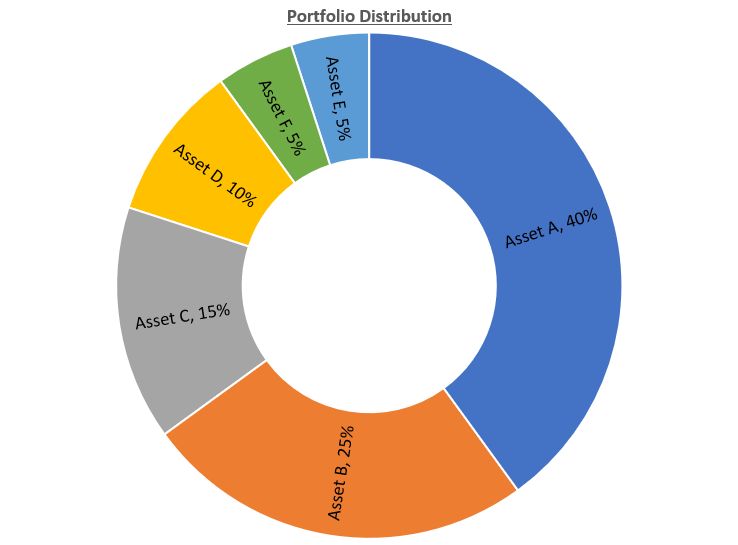
Engaging with the intricacies of various asset classes is paramount for effective Investment Portfolio Management. The diversity within the asset spectrum—including equities, fixed income, real estate, commodities, and cash equivalents—can significantly enhance one’s investment portfolio. Each class possesses inherent characteristics that cater to distinct investment objectives and risk profiles.
To elucidate, consider the following comparative analysis of major asset classes:
| Asset Class | Return Potential | Risk Level | Liquidity |
|---|---|---|---|
| Equities | High | High | High |
| Fixed Income | Moderate | Low to Moderate | Moderate |
| Real Estate | Moderate to High | Moderate | Low |
| Commodities | High | High | Moderate |
| Cash Equivalents | Low | Very Low | Very High |
- Equities typically yield higher returns but come with significant volatility; hence, they are suitable for investors with higher risk tolerance seeking long-term growth.
- On the other hand, Fixed Income instruments provide more stability and predictable income streams, thus appealing to conservative investors aiming to preserve capital.
Moreover, integrating real estate and commodities fosters diversifying investment portfolio characteristics due to their intrinsic value and inflation-hedging capabilities. Furthermore, cash equivalents serve as a safety net, ensuring liquidity and capital preservation.
In summary, an astute analysis of these asset classes fosters informed decisions for Best Investment Portfolio Strategies that can accommodate varied financial goals, ultimately leading to a more resilient and well-rounded investment posture.
Evaluating Risk Tolerance: A Critical Step in Diversifying Your Investment Portfolio
A thorough evaluation of risk tolerance serves as a quintessential foundation for effective Investment Portfolio Management. Understanding one’s capacity and willingness to endure fluctuations in investment values is essential for anyone aiming to establish a well-balanced investment approach. Divergent methodologies, including qualitative assessments and quantitative metrics, can be employed to ascertain an investor’s risk profile.
Firstly, investors may engage in introspective analysis—considering factors such as investment goals, time horizon, and psychological disposition towards risk. For instance, a risk-averse individual with a short-term horizon may rely on safer asset classes, while a risk-seeking investor with a long-term perspective might embrace equities or alternative investments, which can yield higher returns but with increased volatility.
Furthermore, employing formalized approaches like risk questionnaires can quantify risk tolerance. These tools can clarify the investor’s stance by discussing potential scenarios, such as market downturns or economic shifts. As indicated in existing literature, investors who accurately gauge their risk tolerance are more likely to adhere to their Best Investment Portfolio Strategies, thereby minimizing the likelihood of panic-induced sell-offs during market fluctuations.
Finally, it is imperative to recognize that risk tolerance is not static; life changes and market conditions will necessitate periodic reassessments. A baseline understanding of one’s risk tolerance profoundly influences the Diversifying Investment Portfolio, allowing for strategic allocations across various asset classes, such as equities, bonds, and alternative investments, ultimately contributing to a more resilient financial future.
Best Investment Portfolio Strategies: A Comprehensive Review
To achieve a robust investment framework, discerning investors must comprehend the Best Investment Portfolio Strategies that align with their individual objectives and risk tolerances. Employing an assortment of strategies can significantly enhance investment portfolio management and mitigate potential losses. Below, we explore prominent strategies that have proven effective in diversifying investment portfolios.
- Risk Parity Strategy:
- Aim: Balance risk across various asset classes, leading to a more stable return profile.
- Mechanism: Allocates capital weighted by risk rather than dollar amount, ensuring no single asset class dominates.
- Core-Satellite Strategy:
- Aim: Combine stable core holdings with higher-risk satellite investments to optimize returns.
- Structure:
- Core: Invests in index funds or ETFs representing broad market exposure (e.g., S&P 500).
- Satellite: Involves allocations to niche sectors or alternative investments (e.g., technology startups).
- Tactical Asset Allocation:
- Aim: Dynamically adjust allocations based on market conditions to capitalize on perceived value.
- Execution: Requires continual market analysis and responsiveness to changing economic indicators and trends.
| Strategy | Risk Level | Potential Return | Ideal For |
|---|---|---|---|
| Risk Parity | Moderate | Stable | Conservative investors |
| Core-Satellite | Varied | High | Growth-seeking investors |
| Tactical Asset Allocation | High | Variable | Experienced investors |
- Income Generation Focus:
- Aim: Prioritize investments that generate regular income, such as dividends or interest.
- Considerations: Bonds, dividend-stocks, and Real Estate Investment Trusts (REITs) often occupy this category.
By an amalgamation of these strategies, investors can create a resilient and diversified investment portfolio. Applying these diverse approaches not only aids in risk management but also in capturing varying market opportunities, thereby enhancing potential returns and contributing to long-term financial growth.
The Role of Geographic Diversification in an Investment Portfolio
The phenomenon of geographic diversification plays an indispensable role in enhancing the stability and performance of investment portfolios. By extending investments beyond domestic confines, investors mitigate risks associated with localized economic downturns, political unrest, or unfavorable monetary policies. The underlying principle is rooted in the tenet that diverse geographic exposure can buffer the adverse impacts of regional volatilities.
Geographically diversified investment portfolios typically incorporate assets distributed across various regions, including emerging markets, developed economies, and frontier markets. Such diversification enables investors to capitalize on growth potential in different parts of the world. Given the cyclical nature of different markets, while one region may experience recession, another may be buoyed by favorable conditions, thus preserving overall portfolio value.
The table below delineates key dimensions of geographic diversification:
| Aspect | Description |
|---|---|
| Risk Mitigation | Reduces exposure to country-specific risks. |
| Growth Opportunities | Enables capitalizing on varied market growth rates. |
| Currency Exposure | Offers a hedge against currency fluctuations. |
| Economic Stability | Balances economic downturn impacts across regions. |
For adept Investment Portfolio Management, employing best investment portfolio strategies that encompass geographic factors is vital. Investors keen on diversifying investment portfolios must scrutinize both macroeconomic indicators and geopolitical developments across regions to make informed decisions that resonate with their risk tolerance and financial goals.
Utilizing Alternative Investments to Strengthen Your Portfolio
In the realm of Investment Portfolio Management, the integration of alternative investments has garnered significant attention, primarily due to their potential for enhancing returns and mitigating risk. Unlike traditional asset classes, such as stocks and bonds, alternative investments—comprising real estate, commodities, private equity, hedge funds, and collectibles—serve to broaden the investment landscape. Their inherent ability to exhibit low correlation with conventional assets is crucial when striving for optimal diversification.
One tangible benefit of incorporating alternative investments is their role in achieving higher risk-adjusted returns. For instance, private equity firms often capitalize on growth opportunities inaccessible to the public markets, while commodities can serve as a hedge against inflationary pressures. As depicted in the table below, a balanced investment portfolio that integrates various alternatives alongside traditional assets can yield enhanced performance metrics.
| Investment Type | Average Annual Return (%) | Correlation with Stocks |
|---|---|---|
| U.S. Stocks | 10% | 1.0 |
| Bonds | 5% | 0.2 |
| Real Estate (REITS) | 8% | 0.5 |
| Commodities | 6% | 0.3 |
| Private Equity | 12% | 0.4 |
The Best Investment Portfolio Strategies leverage these alternative assets not only to amplify returns but also to counterbalance volatility observed in traditional sectors. Moreover, a strategic selection of geographic diversification further enhances risk mitigation, as various alternative investments often react differently to macroeconomic trends. Therefore, employing alternatives as pivotal components of a diversified investment portfolio underscores the critical importance of adaptability and foresight in the pursuit of sustained growth. Ultimately, a well-curated amalgamation of traditional and alternative assets fortifies investment fortitude, enabling investors to navigate an ever-evolving financial landscape with confidence.
Continual Assessment and Rebalancing: Maintaining a Diversified Investment Portfolio
Maintaining a well-structured investment portfolio necessitates ongoing evaluation and recalibration to ensure alignment with predetermined financial goals and market dynamics. Investment Portfolio Management remains a crucial endeavor, where regular assessments serve to fine-tune strategic positioning, especially as market conditions fluctuate.
Essential components of continual assessment and rebalancing include:
- Regular Review Frequency: Establish a consistent schedule for portfolio examination, typically quarterly or biannually.
- Performance Analysis: Compare asset performance against benchmarks, identifying underperforming assets that may necessitate reevaluation.
- Risk Tolerance Re-evaluation: As personal circumstances evolve (e.g., age, income changes), it is imperative to reassess risk tolerance, leading to potential adjustments in portfolio composition.
The table below delineates important strategies for effective portfolio assessment and rebalancing:
| Strategy | Description |
|---|---|
| Rebalancing Threshold | Set a specific threshold (e.g., 5%) for reallocation. |
| Strategic vs. Tactical | Determine when to adhere to strategic asset allocation versus tactical shifts based on market analysis. |
| Emerging Market Trends | Continuously monitor trends to inform decisions on Best Investment Portfolio Strategies. |
| Diversification Review | Analyze correlations among asset classes to uphold effective Diversifying Investment Portfolio principles. |
These systematic approaches facilitate timely adjustments that enhance portfolio resilience while safeguarding against significant downturns. Engaging in continual assessment ensures that portfolios remain not only diversified but also optimized for financial growth in various market conditions.
Frequently Asked Questions
What is the importance of diversification in an investment portfolio?
Diversification is a critical strategy in investment portfolio management as it helps to mitigate risk by spreading investments across various asset classes and sectors. By allocating capital to a diverse array of securities, an investor can reduce the potential impacts of any single investment’s poor performance. Research indicates that, historically, diversified portfolios have yielded more stable returns over time compared to concentrated ones. This stabilization effect is primarily due to the inverse correlations between asset classes, where declines in some investments can be offset by gains in others, ultimately leading to enhanced risk-adjusted returns.
How can I determine the ideal level of diversification for my portfolio?
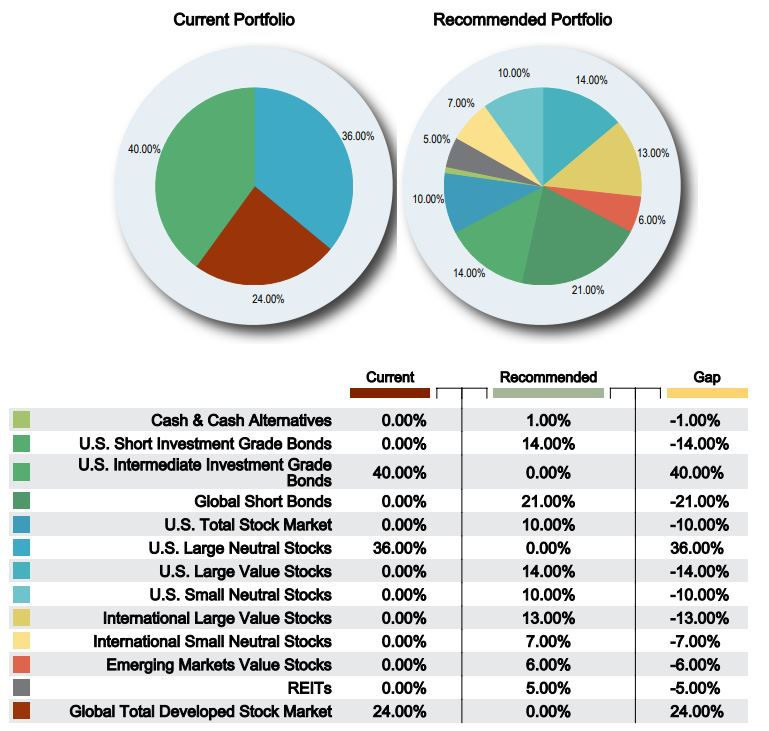
Determining the ideal level of diversification for an investment portfolio necessitates a thorough understanding of one’s risk tolerance, investment objectives, and time horizon. Typically, a well-diversified portfolio should encompass a mix of stocks, bonds, real estate, and commodities, reflecting individual financial goals. Financial advisors often recommend a heuristic approach, such as the rule of thumb which suggests at least 20 to 30 different investments across various sectors, to minimize idiosyncratic risk. Moreover, periodic rebalancing of the portfolio is vital in maintaining optimal asset allocation in accordance with the investor’s changing risk appetite and market conditions.
What types of assets should be included in a diversified portfolio?
A well-diversified investment portfolio should ideally contain a mix of distinct asset classes to balance risk and reward effectively. Core components often comprise equities, which provide growth potential; fixed-income securities, such as bonds that offer stability and income; and alternative investments, including real estate or commodities that can hedge against inflation and provide further diversification. Additionally, geographical diversity, incorporating both domestic and international investments, can further mitigate systemic risks inherent to any single market, fostering robust long-term performance.
How often should I review and rebalance my investment portfolio?
The frequency with which one ought to review and rebalance their investment portfolio significantly depends on both market dynamics and individual financial circumstances. Most financial experts advocate for at least an annual review, ensuring that the asset allocations align with one’s risk profile and investment goals. Furthermore, substantial market movements or significant life changes—such as retirement or a change in income—may necessitate accelerated rebalancing to preserve desired risk exposure. The act of rebalancing adjusts the weights of different assets, which bolsters a disciplined investment approach and prevents overexposure to high-risk assets.