Top Tips for Protecting Your Financial Accounts
In today’s digital age, securing your Financial Accounts is more critical than ever. With a variety of Types of Financial Accounts ranging from personal savings to investment portfolios, the need for robust protection measures cannot be overstated. For individuals and especially for small businesses, understanding the Benefits of Financial Accounts also means recognizing the vulnerabilities they may face. In this blog post, we will share essential tips to help you safeguard your assets, from implementing strong password practices to using two-factor authentication. Join us as we delve into practical strategies that can fortify your financial security and ensure peace of mind for your personal and Financial Accounts for Small Businesses alike.
Understanding the Types of Financial Accounts
When it comes to managing your money, it’s crucial to understand the Types of Financial Accounts available to you. Each account serves different purposes and offers various features. Here’s a concise breakdown:
| Type of Account | Description | Best For |
|---|---|---|
| Checking Accounts | Day-to-day transactions such as deposits and withdrawals | Everyday expenses |
| Savings Accounts | Interest-bearing accounts for saving money | Emergency funds and savings goals |
| Business Accounts | Accounts tailored for small business financial activities | Managing business finances |
| Investment Accounts | Accounts for stocks, bonds, and mutual funds | Growing wealth over time |
Key Benefits of Financial Accounts:
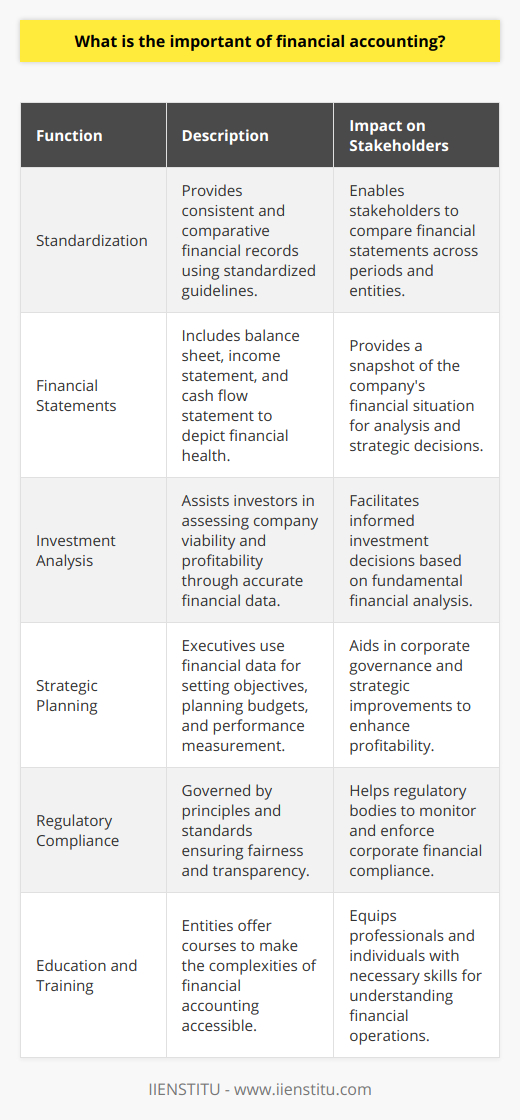
- Organization: Separate accounts help in maintaining clarity in personal and business finances.
- Security: Dedicated accounts offer enhanced monitoring and protection.
- Interest Accumulation: Savings and investment accounts can grow your funds over time.
Understanding these distinctions can aid in better financial planning and ultimately protect your financial interests.

Common Threats to Financial Accounts
Understanding the Common Threats to Financial Accounts is essential for safeguarding your financial health. Numerous dangers lurk in the digital world, making awareness crucial for both individuals and businesses. Here are some prevalent threats:
| Threat | Description |
|---|---|
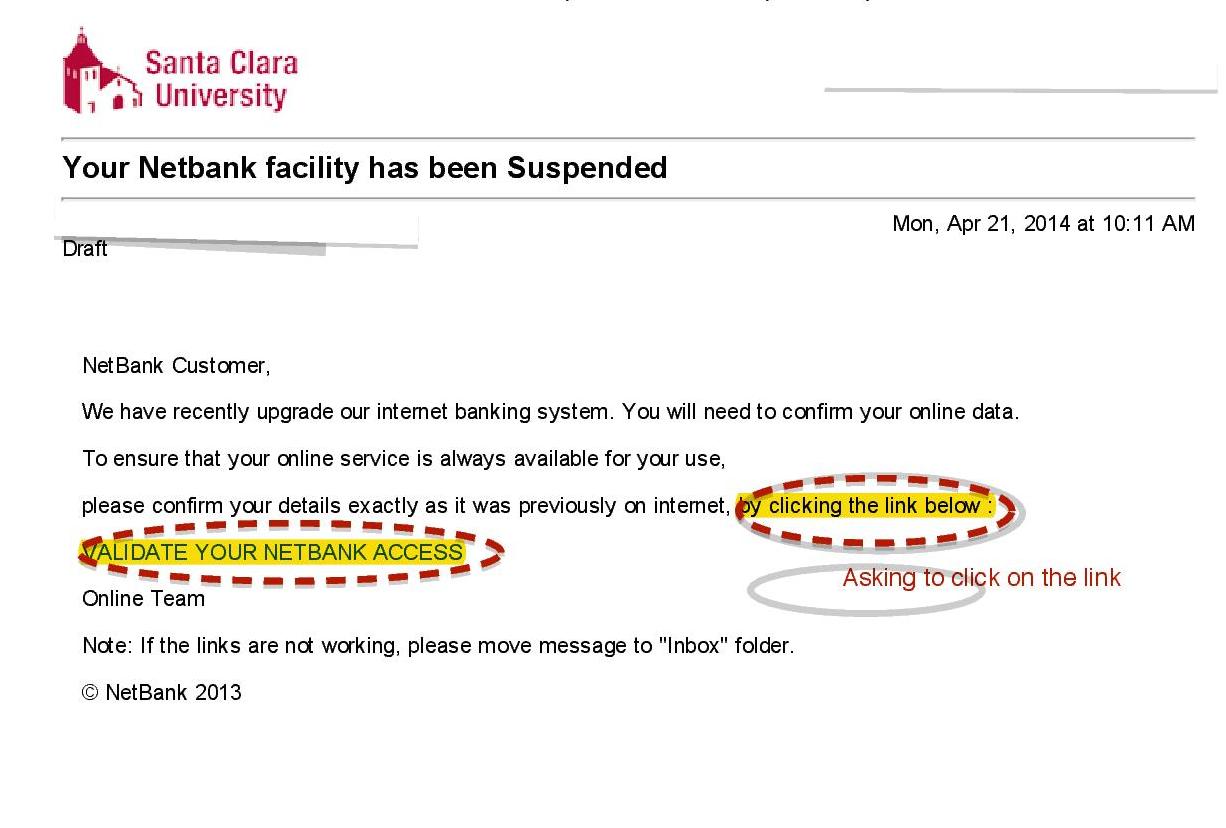
| Phishing Scams | Deceptive emails or messages trick users into providing sensitive information. |
| Malware | Software that targets your devices to steal data or disrupt operations. |
| Identity Theft | Criminals use personal information to impersonate you and access your accounts. |
| Data Breaches | Unauthorized access to systems, leading to the compromise of sensitive data. |
| Social Engineering | Manipulation tactics used to gain confidential information from individuals. |
Recognizing these threats helps mitigate risks. By remaining vigilant, especially in Financial Accounts for Small Businesses, you can adopt appropriate defenses. Understanding these threats paves the way to implementing effective strategies, ensuring you enjoy the Benefits of Financial Accounts without fear.
Best Practices for Password Security
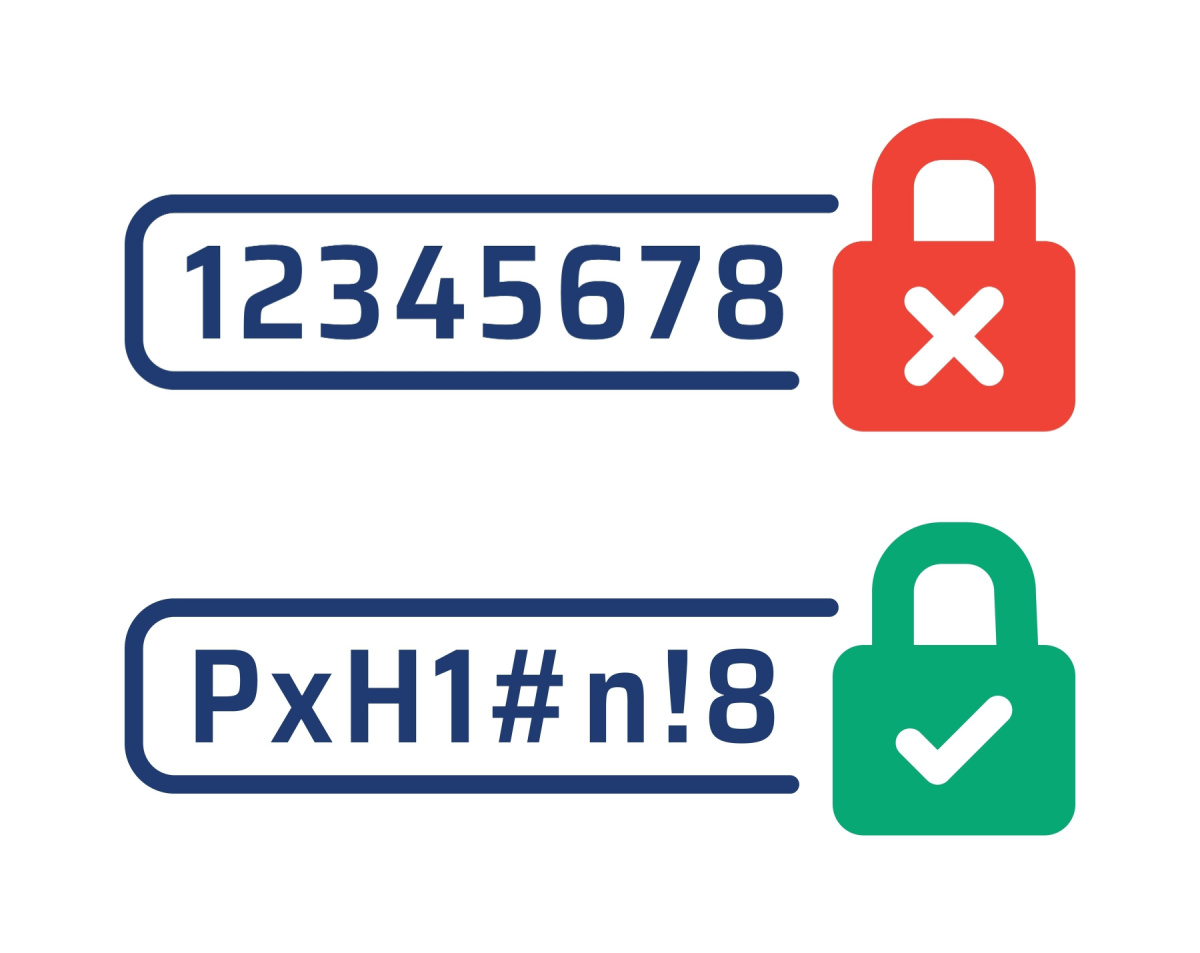
Securing your financial accounts begins with robust password management. Start by creating strong and unique passwords for each of your financial accounts. Utilize a combination of upper and lower case letters, numbers, and special characters to enhance password complexity. Additionally, consider the types of financial accounts you are protecting; for instance, small business accounts may require more stringent security due to the sensitive nature of their operations.
Incorporating a password manager can help you generate and store complex passwords securely. Moreover, change your passwords regularly and avoid using easily guessed information, such as birthdays or common words. Employing these best practices not only protects your personal investments but also ensures the safety of your organization’s assets. Remember, taking proactive measures now can safeguard your financial accounts for future success.
Utilizing Two-Factor Authentication
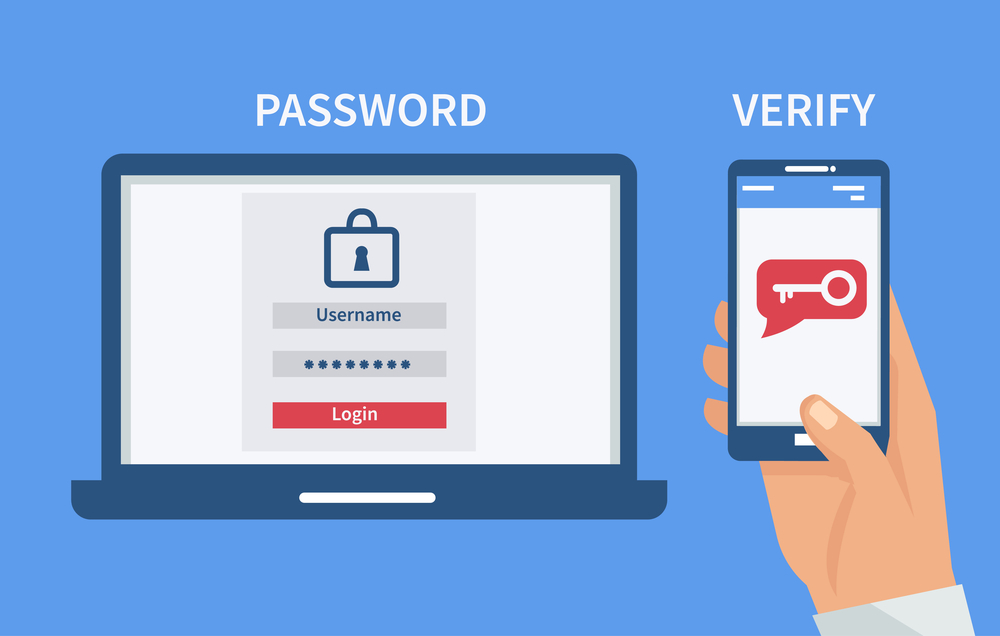
In today’s digital age, securing your Financial Accounts is paramount, and one effective way to do this is through Two-Factor Authentication (2FA). This method adds an extra layer of security beyond just your password. Here’s how you can implement it effectively:
- What is 2FA?
It is a security process in which the user provides two different authentication factors to verify their identity. - Benefits of 2FA
- Enhanced Security: It reduces the risk of unauthorized access.
- Peace of Mind: Knowing you have an additional layer helps you feel safe.
- Types of 2FA
| Method | Description | |———————–|—————————————–| | SMS Code | A code sent to your mobile device. | | Authentication Apps | Use apps like Google Authenticator. | | Hardware Tokens | Physical device that generates codes. |
For small businesses, adopting 2FA for Financial Accounts for Small Businesses is crucial. It protects sensitive financial data against cyber threats, ensuring only authorized personnel can access these accounts. Embrace Two-Factor Authentication today and experience the peace of mind that comes with knowing that your accounts are well defended.
Tips for Small Business Financial Account Protection
When it comes to Financial Accounts for Small Businesses, protecting sensitive information is crucial. Here are some practical tips to help safeguard your financial assets:
| Tip | Description |
|---|---|
| Regularly Update Software | Keep your accounting and security software up to date to fend off any potential threats. |
| Implement Strong Access Controls | Limit access to financial accounts only to authorized personnel to minimize risk exposure. |
| Conduct Regular Audits | Periodic reviews can help detect irregular activities and identify vulnerabilities. |
| Educate Employees | Training staff on best practices enhances awareness of security protocols and potential risks. |
| Use Secure Payment Systems | Employ encrypted payment gateways to protect transactions and sensitive data. |
By adhering to these guidelines, you can secure your Types of Financial Accounts effectively, ensuring the financial health and integrity of your small business. The Benefits of Financial Accounts are immense, but safeguarding them is paramount for long-term success.
Monitoring and Reviewing Account Activity
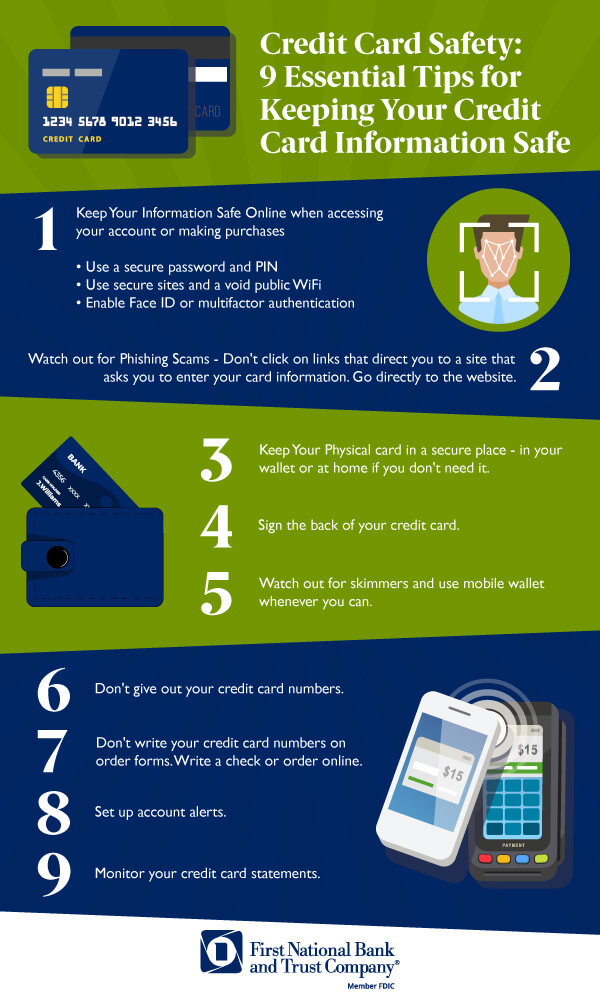
Keeping a vigilant eye on your financial accounts is crucial for security. Regularly monitoring and reviewing account activity allows you to quickly identify any unauthorized transactions or unusual behavior. Start by setting up account alerts that notify you of changes, such as logins from unrecognized devices or transfers exceeding a specified amount.
Consider maintaining a comparison table that highlights key aspects of your account activity, such as transaction dates, amounts, and vendors. This organization helps you spot inconsistencies more efficiently. Additionally, small businesses should prioritize this practice, as they often become targets of fraud. Regular reviews not only safeguard your assets but also enhance your understanding of cash flow and spending habits, maximizing the benefits of financial accounts. By proactively monitoring your activity, you’re taking crucial steps in protecting your financial health.
Educating Yourself and Staff on Security Protocols
In today’s digital landscape, awareness is essential in safeguarding your Financial Accounts for Small Businesses. Educating both yourself and your employees about security protocols can significantly reduce vulnerabilities. Here are some key considerations to enhance understanding:
- Regular Training Sessions: Host workshops focused on cybersecurity awareness.
- Resource Materials: Provide easy-to-understand guides on identifying phishing emails and secure online behavior.
| Topic | Importance |
|---|---|
| Recognizing Phishing Attacks | Prevents unauthorized access |
| Understanding Password Management | Enhances overall account security |
| Safe Internet Browsing | Minimizes exposure to malware threats |
By prioritizing education, you empower your team to be proactive, mitigating risks associated with your Types of Financial Accounts. The more informed your staff, the more secure your operations will be, ultimately leading to significant Benefits of Financial Accounts.
Frequently Asked Questions
What are some basic steps I can take to secure my financial accounts?
To secure your financial accounts, start by using strong, unique passwords for each account, combining letters, numbers, and special characters. Enable two-factor authentication whenever possible for added security. Additionally, regularly monitor your account statements for any unauthorized transactions, and consider using a password manager to help keep track of your credentials safely. Keep your devices updated with the latest security patches and antivirus software to further enhance protection.
How can I recognize phishing attempts targeting my financial accounts?
Phishing attempts often come in the form of emails or messages that appear to be from legitimate financial institutions. Look for signs such as poor spelling and grammar, generic greetings, or requests for sensitive information like your passwords or Social Security number. If an email contains suspicious links or attachments, do not click on them. Always verify the sender’s email address and initiate contact with your bank or financial institution through official channels if you’re uncertain about the authenticity of a message.
What should I do if I suspect my financial information has been compromised?
If you suspect that your financial information has been compromised, immediately change your passwords for all affected accounts. Notify your bank or financial institution about the potential breach so they can monitor your account for any unauthorized transactions. Consider placing a fraud alert on your credit report with major credit bureaus, which adds an extra layer of protection during this vulnerable time. It may also be beneficial to review your credit report for any unfamiliar accounts.
Are there any tools or services that can help me protect my financial accounts?
Yes, there are several tools and services designed to help protect your financial accounts. Consider using a reputable password manager to generate and store complex passwords securely. Additionally, identity theft protection services can monitor your accounts and alert you to suspicious activities. Some banks and financial institutions offer fraud protection services that provide real-time alerts for unusual transactions. Always research and choose services that have strong reviews and a proven track record of safeguarding personal information.