Safe Online Payment Methods and How to Use Them
In today’s digital age, making secure financial transactions online has never been more critical. With the rise of e-commerce and digital services, understanding various Online Payment Methods and their safety can empower consumers to shop and pay with confidence. As we delve into the world of online transactions, we will explore different types of payment methods available, guide you on how to choose the most suitable option for your needs, and share best practices for safeguarding your financial information. Finally, we’ll take a glimpse into the future of online payments, ensuring you’re well-equipped to navigate this rapidly evolving landscape.
Understanding Safe Online Payment Methods
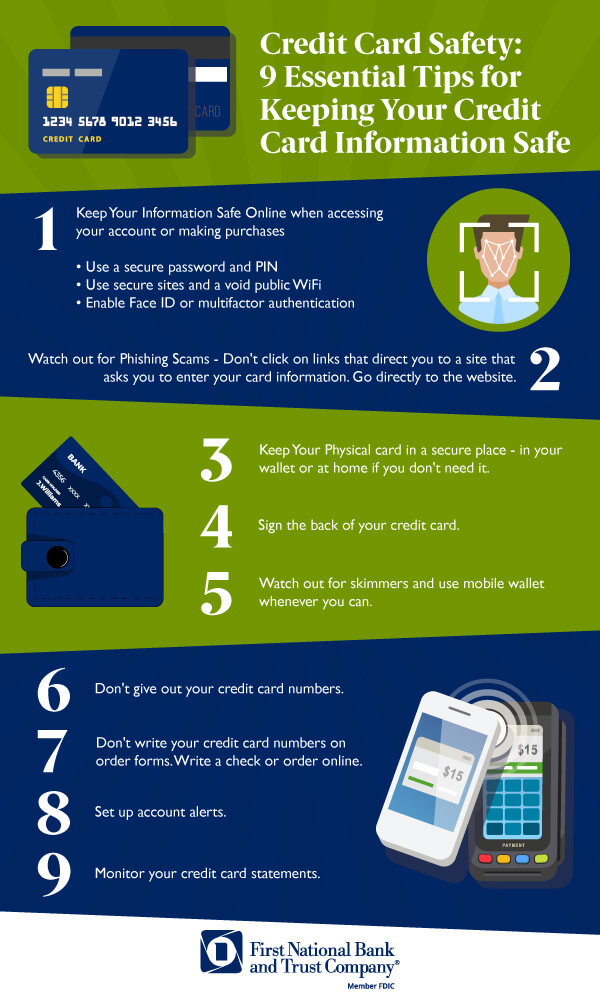
Navigating the digital marketplace can seem overwhelming, especially when it comes to ensuring your financial safety. Here are essential points to consider when identifying secure financial transactions:
- Encryption: Always look for payment methods that utilize strong encryption technologies, such as SSL (Secure Socket Layer).
- Two-Factor Authentication: Choose platforms that offer an extra layer of security like text message or email confirmation codes.
- Fraud Detection: Many safe payment systems have integrated tools to detect and prevent unauthorized transactions.
| Feature | Importance |
|---|---|
| User Authentication | Verifies identity before approving payments |
| Data Protection | Safeguards personal and financial information |
| Dispute Resolution | Ensures that buyers can dispute fraudulent charges |
Understanding these elements will enable you to make informed choices while shopping online, thus enhancing your overall experience. Embrace safe options to secure your transactions and protect your sensitive data effectively.
Different Types of Online Payment Methods
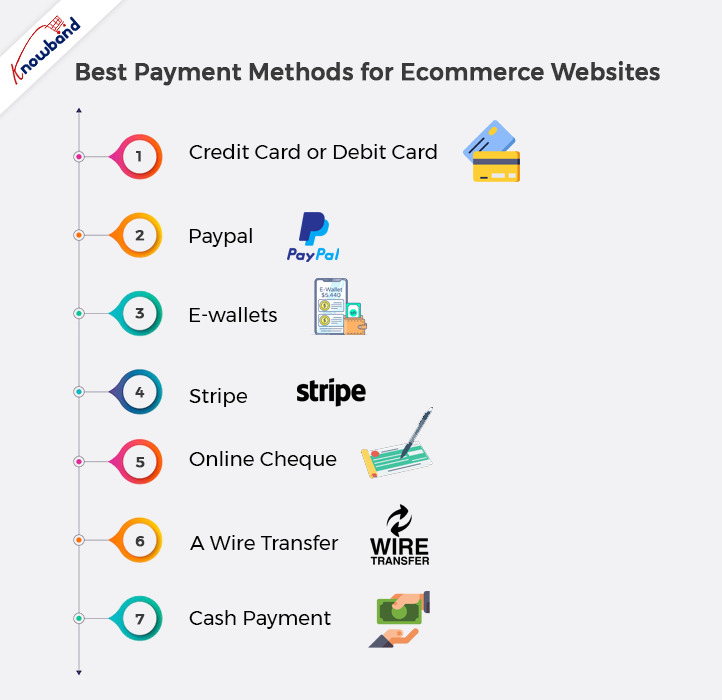
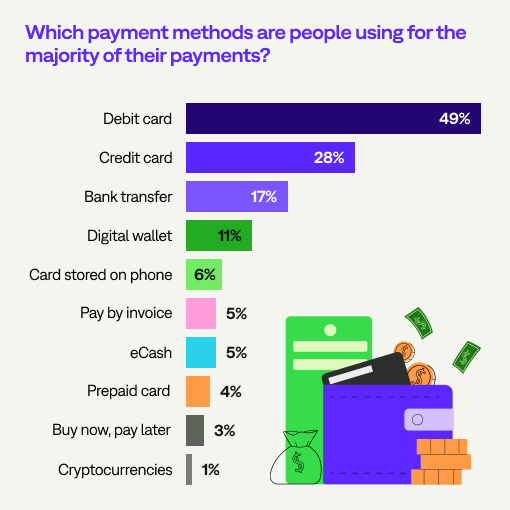
In today’s digital age, various options are available for securing transactions efficiently and safely. Understanding these online payment methods helps you select the best fit for your needs. Here are some prominent types to consider:
| Payment Method | Description | Usage Context |
|---|---|---|
| Credit/Debit Cards | Widely accepted for instant payments | Everyday purchases and e-commerce |
| E-Wallets | Store funds digitally for easy access | Quick transactions and international payments |
| Bank Transfers | Direct transfer from one bank account to another | Situations requiring high-value payments |
| Cryptocurrency | Digital currency for anonymous transactions | Growing among tech-savvy users |
| Buy Now, Pay Later | Allows purchases on credit with flexible payment options | Shoppers seeking immediate gratification |
“Choosing the right method not only enhances convenience but also promotes safety.” By evaluating the options available, you can better manage your finances while enjoying a seamless online shopping experience.
How to Choose the Right Online Payment Method
Selecting the appropriate Online Payment Methods is crucial for ensuring both security and convenience while shopping online. Here’s how to navigate your choices effectively:
- Assess Your Needs: Determine what features are important to you, such as transaction speed, ease of use, or international compatibility. For instance, if you frequently shop abroad, opt for methods that support multiple currencies.
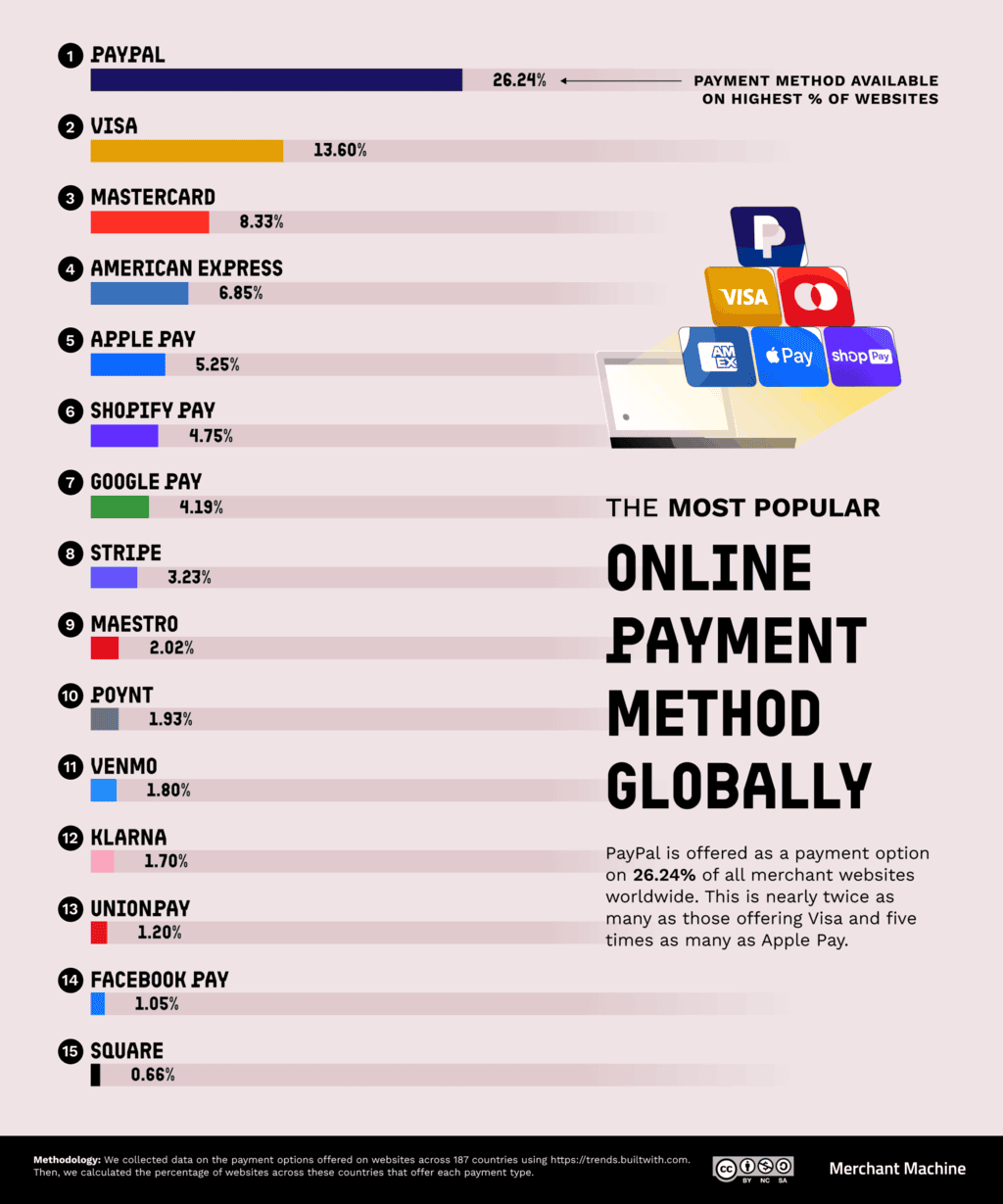
- Evaluate Security Features: Look for payment options that offer robust encryption and fraud protection. Methods like PayPal and credit cards often come with buyer protection, adding an extra layer of security.
- Consider Merchant Compatibility: Not all merchants accept every payment method. Research which Online Payment Methods are accepted by your favorite online stores to avoid inconvenience during checkout.
| Payment Method | Security Features | Transaction Fees | Speed |
|---|---|---|---|
| Credit/Debit Card | High | Low/Varies | Instant |
| PayPal | High | Moderate | Instant |
| Bank Transfer | Moderate | Low | 1-3 Days |
| Cryptocurrency | Varies | Low | Instant |
By evaluating these aspects, you can make an informed choice, ensuring that each transaction is secure and hassle-free.
Best Practices for Secure Online Payments
To ensure your transactions are safe when using Online Payment Methods, consider these essential best practices:
- Use Strong Passwords: Create complex passwords with a mix of letters, numbers, and symbols. Avoid using easily guessable information, like birthdays.
- Enable Two-Factor Authentication (2FA): Adding an extra layer of security can significantly reduce the risk of unauthorized access.
- Keep Software Updated: Regularly update your browser and security software to protect against vulnerabilities.
- Monitor Your Accounts: Regularly check your bank and payment accounts for any unauthorized transactions.
- Be Wary of Public Wi-Fi: Avoid making financial transactions on public networks, as they can often be insecure.
“Feeling secure while shopping online is key. A few simple measures can go a long way in safeguarding your financial information.”
| Best Practices | Description |
|---|---|
| Strong Passwords | Use complex combinations for stronger protection. |
| Two-Factor Authentication | Add an additional layer of verification. |
| Keeping Software Updated | Protect against known vulnerabilities with updates. |
| Account Monitoring | Spot unauthorized transactions in real-time. |
| Avoiding Public Wi-Fi | Prevent potential theft on insecure networks. |
Implementing these strategies will enhance your security while using Online Payment Methods and help to ensure an enjoyable and safe online shopping experience.
The Future of Online Payment Methods
As technology evolves, so do the ways in which we transact online. Online Payment Methods are becoming increasingly sophisticated, incorporating advanced security measures and innovative features. Key trends shaping the future include:
| Trend | Description |
|---|---|
| Digital Currencies | Cryptocurrencies are gaining traction, promising faster and more secure transactions. |
| Mobile Wallets | Users prefer convenience; mobile wallets provide seamless payment integration on smartphones. |
| Biometric Authentication | Enhanced security through fingerprints and facial recognition will become standard. |
| AI and Machine Learning | These technologies will analyze transaction patterns, helping to reduce fraud. |
| Instant Payments | As demand grows, services that enable real-time payments are on the rise, improving cash flow for businesses. |
These advancements suggest an exciting and secure future, making transactions faster and more user-friendly. Organizations must stay ahead by adopting these emerging technologies to meet evolving consumer expectations.
Frequently Asked Questions
What are the safest online payment methods available today?
The safest online payment methods include credit and debit cards, PayPal, and digital wallets like Apple Pay and Google Pay. These options offer strong buyer protection policies, encryption technology, and fraud monitoring. Additionally, services like cryptocurrency wallets provide added security features such as anonymity and decentralized transactions. When utilizing these payment methods, ensure that the service provider adheres to updated security standards and practices.
How does credit card protection work when making online purchases?
Credit card protection works by allowing users to dispute transactions that appear fraudulent or unauthorized. Most credit card companies offer zero liability policies, meaning you won’t be held responsible for charges made without your permission. Additionally, they use Advanced Encryption Standard (AES) to secure your information during transactions. Always check your account for unusual activity, and report any unauthorized charges immediately to ensure your account is monitored effectively.
Are digital wallets a safe option for online payments?
Yes, digital wallets are considered safe and user-friendly options for online payments. They encrypt your payment information, which adds a layer of security on top of standard credit and debit card protections. In many cases, digital wallets also use tokenization, where your actual payment details are not shared with the merchant. This significantly lowers the risk of data breaches. However, it’s crucial to use trusted services and enable security features like two-factor authentication to enhance your safety.
What should I do if I think my payment information has been compromised?
If you suspect that your payment information has been compromised, act immediately to minimize potential losses. First, contact your bank or card issuer to report the issue and monitor your account for unauthorized transactions. Change passwords for your online accounts, especially if they share login credentials. Consider placing a fraud alert on your accounts and reviewing your credit report periodically. Utilizing identity theft protection services is also an option, providing added security and monitoring.