How to Secure Your Credit Card Information Online
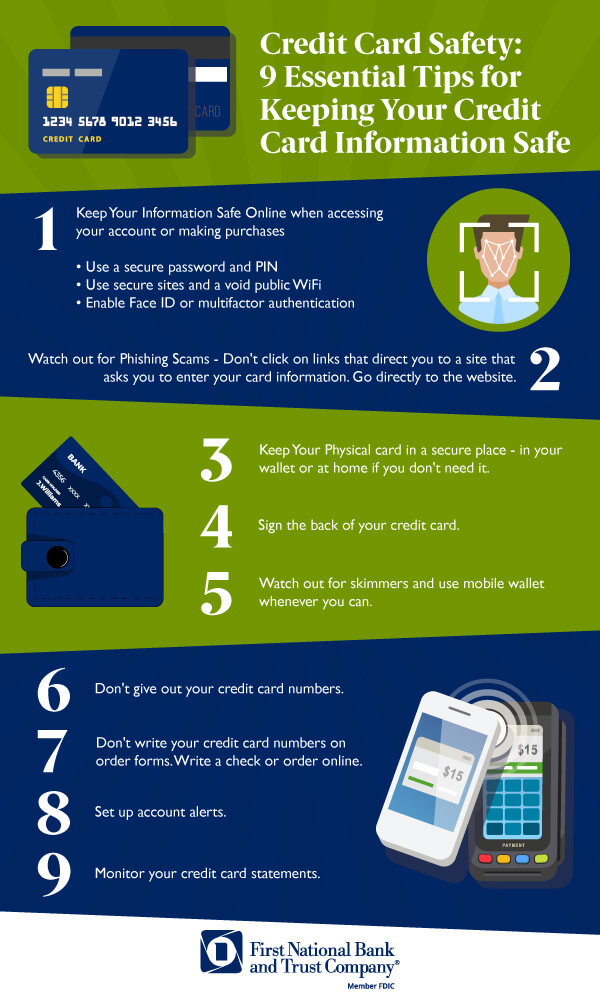
In today’s digital age, safeguarding your financial information is more crucial than ever. With the rise of online shopping and digital transactions, understanding the nuances of Credit Card Information Security has become imperative for consumers. This comprehensive guide will delve into practical strategies for protecting your credit card details while navigating the internet, highlighting best practices for online shopping, device and network security, and tips for recognizing and steering clear of scams. Additionally, we’ll outline the essential steps to take if you ever find yourself in the unfortunate situation of having your information compromised. Join us as we empower you with the knowledge to shop online safely and confidently.
Understanding Credit Card Information Security
In today’s digital landscape, safeguarding your financial details is critical. Here are some essential elements to recognize:
- Encryption: This secures your information by converting it into a code, making it unreadable during transactions.
- Secure Connections: Always look for “HTTPS” in the URL before entering sensitive data, ensuring the website encrypts information.
- Two-Factor Authentication: This adds an extra layer of protection by requiring a second form of verification, significantly reducing unauthorized access.
- Regular Monitoring: Frequently check your bank statements and transaction history for any unexpected charges.
| Key Aspect | Importance |
|---|---|
| Encryption | Protects data during transmission |
| Secure Connections | Ensures the site is safe for transactions |
| Two-Factor Authentication | Provides added security against breaches |
| Regular Monitoring | Helps detect fraud early and take action timely |
By understanding these elements of Credit Card Information Security, you can take proactive steps to safeguard your financial details and shop online with confidence.
Best Practices for Online Shopping
When it comes to online shopping, adopting smart habits ensures your Credit Card Information Security remains intact. Here are essential practices to consider:
| Best Practice | Description |
|---|---|
| Shop on Secure Websites | Look for “https://” in the URL and a padlock icon in the address bar. |
| Enable Two-Factor Authentication | Use additional security layers for your accounts to prevent unauthorized access. |
| Use Unique Passwords | Create strong, complex passwords for different shopping sites to minimize risk. |
| Monitor Bank Statements | Regularly check statements for any unauthorized transactions. |
| Avoid Public Wi-Fi | Refrain from making purchases on unsecured networks; use a VPN if necessary. |
“Staying vigilant and proactive is key to safeguarding your financial information while enjoying the convenience of online shopping.” By following these practices, you can greatly reduce the risks associated with digital transactions and ensure your Credit Card Information Security is always a top priority.
Protecting Your Devices and Networks
Securing your devices and networks is crucial for maintaining Credit Card Information Security. Begin by updating software regularly; outdated systems can be vulnerable to cyber threats. Additionally, utilize a firewall to monitor incoming and outgoing traffic, adding an extra layer of protection against malicious attacks.
Implementing strong passwords is essential. Consider using unique combinations of letters, numbers, and symbols. For enhanced security, utilize a password manager to generate and store complex passwords effectively. Moreover, enabling two-factor authentication (2FA) can make unauthorized access significantly more challenging.
Lastly, ensure your home network is secure. Change the default credentials of your router and use WPA3 encryption to safeguard your Wi-Fi. By taking these steps, you create a robust defense against potential threats, thereby ensuring your Credit Card Information Security remains intact. Here’s a quick comparison of effective security measures:
| Security Measure | Effectiveness | Ease of Implementation |
|---|---|---|
| Regular Software Updates | High | Easy |
| Firewall | High | Moderate |
| Strong Passwords | Very High | Moderate |
| Two-Factor Authentication | Very High | Moderate |
| Secure Home Network | High | Moderate |
Identifying and Avoiding Scams
To effectively protect your Credit Card Information Security, it’s crucial to recognize and sidestep potential scams. Many online threats can lead to unauthorized access to your financial data. Here are some essential tips to consider:
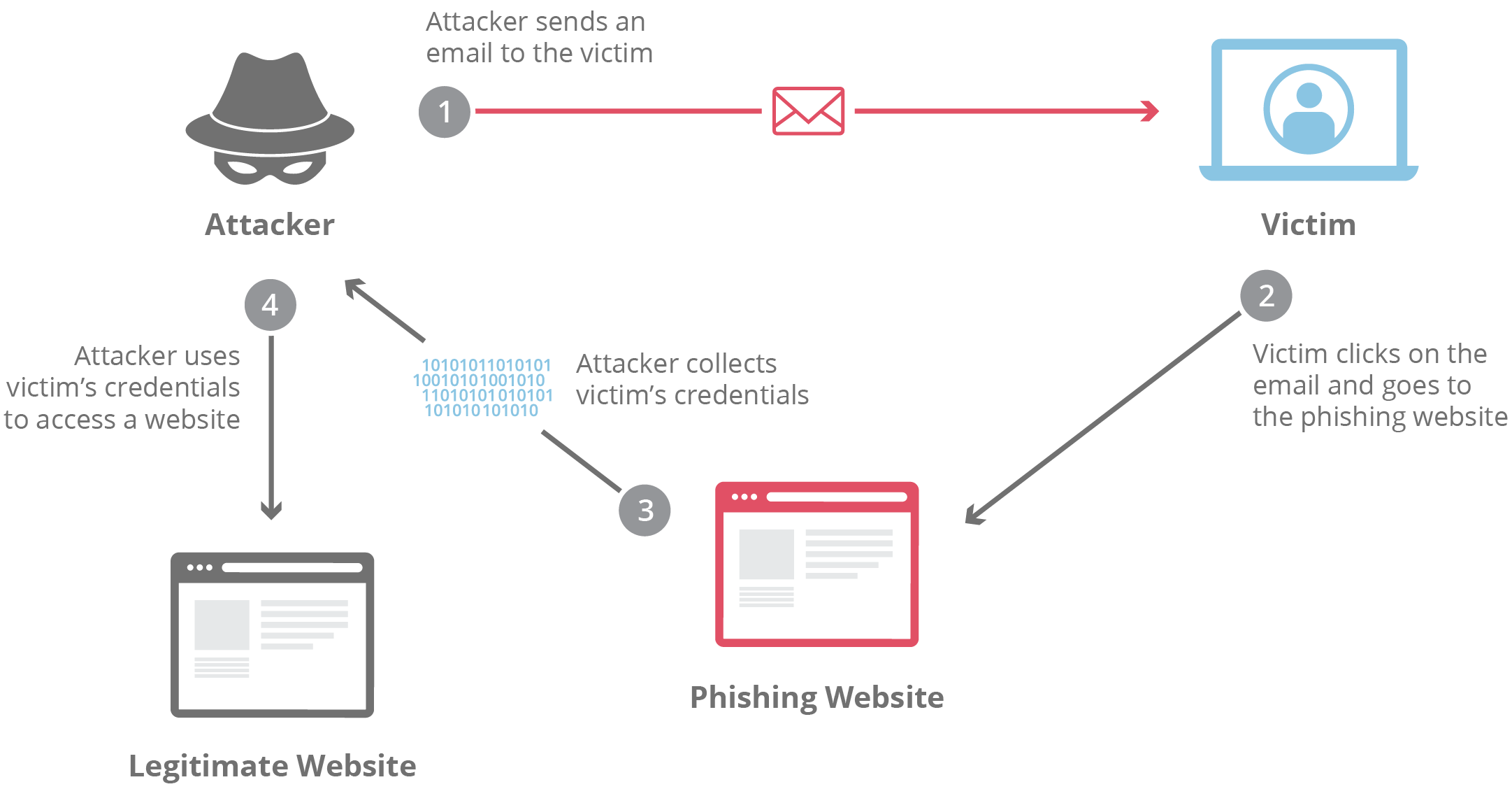
- Stay Aware of Phishing Attempts: Emails that solicit sensitive information often appear to be from legitimate sources. Verify the sender’s email and avoid clicking on any suspicious links.
- Use Multi-Factor Authentication (MFA): Enable MFA whenever possible. This adds an extra layer of protection, making it harder for scammers to gain access.
- Monitor Your Accounts Regularly: Frequently check your bank and credit card statements for unusual transactions. Report any suspicious activity immediately.
- Trust Your Instincts: If an offer seems too good to be true, it probably is. Be cautious of unsolicited offers that ask for your credit card information.
Here’s a helpful table outlining common scams and how to avoid them:
| Scam Type | How to Avoid |
|---|---|
| Phishing Emails | Verify the sender and avoid links. |
| Fake Shopping Sites | Look for HTTPS in the URL and check for legitimacy. |
| Lottery Scams | Never pay to claim winnings. Avoid sharing info. |
| Social Engineering | Do not disclose personal details without verification. |
“Awareness is your best defense against scams.” By staying informed and alert, you can significantly enhance your Credit Card Information Security.
What to Do If Your Information is Compromised
If you suspect that your credit card information has been compromised, acting quickly is crucial. Here’s a simple guide to help you navigate this unsettling situation effectively:
| Action | Description |
|---|---|
| Contact Your Bank | Inform your bank or credit card issuer immediately to report the issue; they can freeze your account to prevent further transactions. |
| Monitor Statements | Review your financial statements for any unauthorized charges; quickly reporting these can minimize losses. |
| Change Passwords | Modify your online banking and shopping account passwords; opt for strong, unique combinations for better protection. |
| Enable Alerts | Set up transaction alerts to receive immediate notifications of any purchases made with your card. |
| Review Credit Reports | Obtain copies of your credit reports from major agencies; check for any unfamiliar accounts or inquiries. |
| Consider a Fraud Alert | Placing a fraud alert on your credit file can help prevent new accounts from being opened in your name. |
Taking these steps can significantly enhance your Credit Card Information Security, safeguarding your financial health against potential threats. Always remain proactive and vigilant after any breach.
Frequently Asked Questions
What are the best practices for securing my credit card information while shopping online?
To safeguard your credit card information while shopping online, start by only purchasing from secure and reputable websites, which can be identified by URLs that begin with “https://”. Additionally, use unique and strong passwords for your accounts, enable two-factor authentication when available, and regularly monitor your bank statements for any unauthorized transactions. Consider using a virtual credit card for added security, and avoid saving your credit card details on shopping sites.
How can I identify phishing attempts related to my credit card?
Identifying phishing attempts usually involves scrutinizing the email or message for signs of deceit. Look for poor spelling and grammar, generic greetings, and suspicious links or attachments. Legitimate companies typically address you by your name and will not ask for sensitive information via email. Always verify the sender’s email address, hover over links to check their destination before clicking, and report any suspicious communications to your bank.
What should I do if I believe my credit card information has been stolen?
If you suspect that your credit card information has been stolen, immediately contact your bank or credit card issuer to report the potential fraud. They can freeze or cancel your card and help you monitor your account for further unauthorized transactions. Additionally, file a report with the Federal Trade Commission (FTC) to help protect against identity theft and consider placing a fraud alert or credit freeze on your credit reports with the major credit bureaus.
Are there any specific security tools or software that can help protect my credit card information?
Yes, various security tools can enhance the protection of your credit card information. Downloading reputable antivirus software can help guard against malware that steals sensitive information. Additionally, consider using a password manager to store your login information securely, making it easier to create strong, unique passwords for every account. A virtual private network (VPN) can also add a layer of security when you’re accessing public Wi-Fi, ensuring your data stays private.