How to Analyze Growth Stocks vs Value Stocks Effectively
Investing in the stock market can be both exciting and overwhelming, especially when it comes to choosing the right strategies to build your portfolio. Among the most debated topics among investors are growth stocks and value stocks, each offering distinct advantages and characteristics. Understanding these two categories is crucial for navigating market fluctuations and achieving financial success. In this post, we’ll delve into the nuances of these investment styles, exploring their unique features, key differences, and effective evaluation metrics. Whether you’re a seasoned investor or just starting out, this guide will equip you with the knowledge needed to analyze Growth vs Value Stocks effectively and implement winning strategies tailored to your financial goals.
Understanding Growth Stocks and Their Characteristics
Growth stocks are an essential component of modern investing, characterized by their potential for substantial capital appreciation. Here are some critical features that distinguish growth stocks:
- Revenue Growth: These companies exhibit rapid revenue expansion, often exceeding industry averages.
- Reinvestment: Profits are typically reinvested into the business to fuel further growth, leading to less focus on dividends.
- High Valuations: Growth stocks usually trade at higher price-to-earnings (P/E) ratios, reflecting investors’ expectations of future earnings growth.
- Innovation: Many growth stocks operate in emerging industries or sectors, regularly introducing new products or technologies.
To illustrate the characteristics of growth stocks, consider the following table:
| Feature | Description |
|---|---|
| Revenue Growth | Fast-paced and above industry benchmarks |
| Dividend Policies | Low or no dividends; focus on reinvestment |
| Valuation Metrics | High P/E ratios reflect growth potential |
| Market Approach | Innovative solutions addressing market needs |
Understanding these characteristics can help investors make informed decisions when identifying potential growth stock opportunities.
Identifying Value Stocks and Their Unique Features
Identifying value stocks involves recognizing specific characteristics that set them apart in the market. Typically, these stocks are perceived to be trading below their true worth, often showing lower price-to-earnings ratios. Here are key features to consider:
| Feature | Description |
|---|---|
| Low Price-to-Earnings (P/E) Ratio | Indicates the stock is undervalued compared to peers. |
| Stable Dividends | Generally, value stocks offer consistent dividend payments. |
| Strong Fundamentals | Look for healthy balance sheets with manageable debt levels. |
| Market Underreaction | Often, value stocks are overlooked, leading to potential growth. |
| Historical Performance | Analyze a stock’s historical data for stability and growth patterns. |
Value stocks typically come from established companies with solid earnings but may lack the explosive growth potential of growth stocks. Focus on these unique features to identify promising opportunities in the Growth vs Value Stocks landscape. By employing thorough analysis, you can make informed investment choices that align with your financial goals.
The Key Differences Between Growth vs Value Stocks
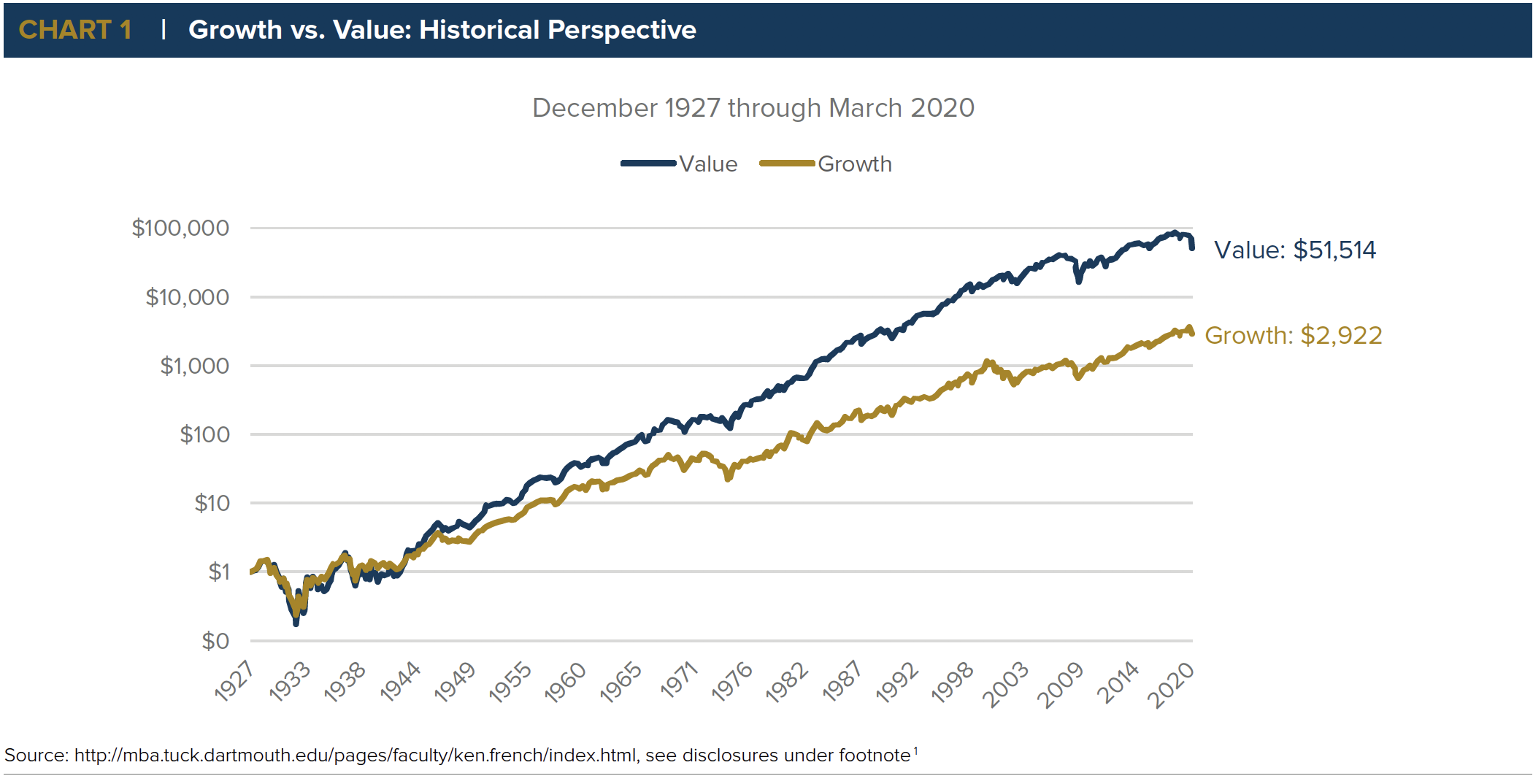
When exploring the dynamics of Growth vs Value Stocks, it’s essential to recognize their distinct characteristics. Growth stocks are generally associated with companies that show rapid revenue and earnings expansion. Investors are often attracted by the potential for substantial future growth, willing to pay a premium for this promise. For example, technology firms often fall into this category, showcasing innovative products or services.
Conversely, value stocks are considered undervalued based on financial metrics. Typically, these companies are more established, with stable earnings and dividends. Investors often seek them out for their potential to rebound when the market recognizes their true worth. A classic example includes utility companies, which provide essential services and demonstrate steady profitability.
Here’s a comparison table to summarize the differences:
| Feature | Growth Stocks | Value Stocks |
|---|---|---|
| Earnings Growth | High, often above market average | Moderate, stable |
| Price-to-Earnings Ratio | Often high (overvalued) | Generally low (undervalued) |
| Dividend Payments | Rarely pay dividends | Often pay consistent dividends |
| Risk Level | Higher volatility | Typically more stable |
| Investment Horizon | Long-term potential | Short to medium-term opportunities |
Understanding these key differences can help investors decide which type aligns with their financial goals and risk tolerance.
How to Evaluate Growth vs Value Stocks: Metrics and Tools
Evaluating Growth vs Value Stocks requires a strategic approach, focusing on specific metrics and tools tailored to each investment style. Here’s how you can effectively analyze both:
Key Metrics
| Metric | Growth Stocks | Value Stocks |
|---|---|---|
| Price-to-Earnings (P/E) Ratio | Higher P/E, indicating growth potential | Lower P/E, suggesting undervaluation |
| Price-to-Book (P/B) Ratio | Often high, reflecting future growth expectations | Typically low, indicating possible bargain |
| Earnings Growth Rate | Consistently increases yearly, driving interest | Slower growth, often stable |
| Dividend Yield | Usually low or nonexistent; reinvest profits | Higher yield, appealing for income-focused investors |
Tools for Evaluation
- Stock Screeners: Use tools like Yahoo Finance and Bloomberg to filter stocks by the above metrics.
- Financial Statements: Analyze income statements, balance sheets, and cash flow statements for deeper insights.
- Market Research Reports: Leverage third-party analyses to understand industry trends and comparative performance.
- Moving Averages: Track 50-day and 200-day averages to gauge momentum and price trends.
By utilizing these metrics and tools, investors can make informed decisions regarding their portfolio strategies while navigating the complex landscape of Growth vs Value Stocks.
Strategies for Investing in Growth vs Value Stocks
Investing effectively in Growth vs Value Stocks requires a tailored approach. Here are some essential strategies to consider:
1. Research and Analysis:
- Conduct thorough market research to identify potential opportunities.
- Use financial metrics like P/E ratios, earnings growth rates, and dividend yields.
2. Diversification:
- Balance your portfolio by mixing growth and value investments.
- This strategy helps mitigate risks associated with market fluctuations.
3. Time Horizon:
- Evaluate your investment timeline.
- Growth stocks often require a longer commitment, while value investments may yield quicker returns.
4. Monitoring Market Trends:
- Stay updated on economic indicators and market conditions.
- This helps in making informed decisions about when to buy or sell.
By implementing these strategies, investors can navigate the complexities of both growth and value investing more confidently.
The Importance of Market Trends in Growth vs Value Stocks Analysis
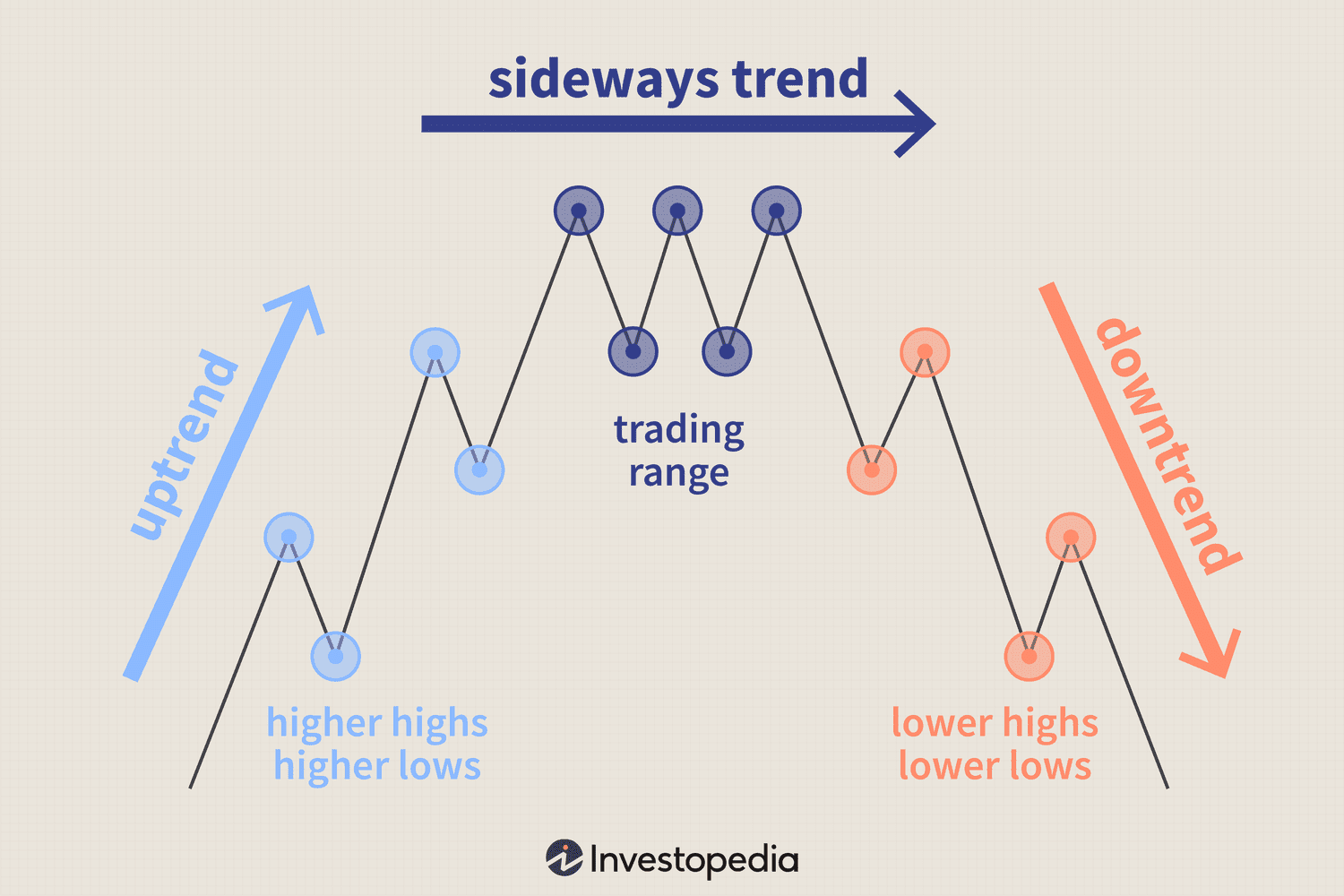
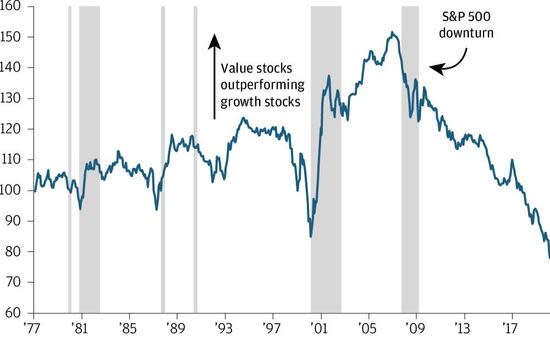
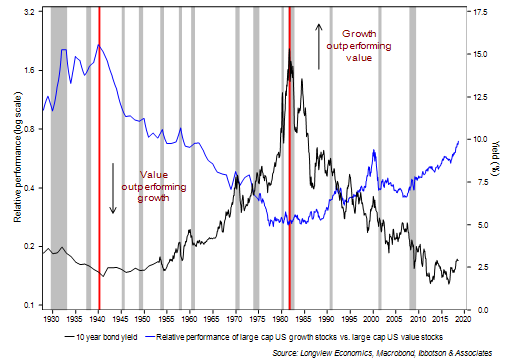
Analyzing market trends is crucial for investors looking to differentiate between Growth vs Value Stocks. Market trends provide context that helps assess the performance potential of both stock types. For instance, when bullish sentiment prevails, growth stocks often outperform, fueled by investor enthusiasm for future profits. Conversely, in bearish markets, value stocks may hold an edge, as they tend to offer stability and greater dividend returns.
Key factors to monitor include:
| Factor | Growth Stocks | Value Stocks |
|---|---|---|
| Market Sentiment | Bullish and optimistic | Cautious and defensive |
| Economic Indicators | Higher expected growth rates | Lower price-to-earnings ratios |
| Industry Positioning | Innovative sectors (tech) | Established sectors (utilities) |
By keeping a close eye on market trends, investors can make informed decisions tailored to current economic conditions, enhancing the potential for long-term success. Understanding these dynamics lays the groundwork for effective capital allocation in both growth and value investments.
Frequently Asked Questions
What are growth stocks and how do they differ from value stocks?
Growth stocks are shares in companies that are expected to grow at an above-average rate compared to other companies. These stocks typically do not pay dividends, as the companies reinvest their earnings to fuel further growth. In contrast, value stocks are those that appear to be undervalued in the market and typically have lower price-to-earnings ratios along with higher dividend yields. Investors often seek growth stocks for capital appreciation and value stocks for income and stability.
What metrics should I use to analyze growth stocks?
When analyzing growth stocks, key metrics to consider include earnings per share (EPS) growth rate, revenue growth, profit margins, and price-to-earnings (P/E) ratio relative to industry peers. It’s essential to look at the company’s historical performance in terms of growth and to assess analyst forecasts for future growth rates. Additionally, considering the company’s market share and competitive advantages can provide insight into its growth potential and sustainability.
How can I determine if a value stock is genuinely undervalued?
To ascertain whether a value stock is genuinely undervalued, investors can examine various valuation ratios, such as the price-to-earnings (P/E) ratio, price-to-book (P/B) ratio, and dividend yield. It’s also beneficial to compare these ratios to industry averages and historical norms. Additionally, performing a thorough analysis of the company’s financial health, including its debt levels, cash flow, and earnings consistency, can help gauge intrinsic value and determine if the stock price reflects its true worth.
What are the risks associated with investing in growth and value stocks?
Investing in growth stocks carries the risk of volatility, as they can be susceptible to market sentiment shifts and require high growth to justify their valuations. There’s also the risk that anticipated growth rates may not materialize. On the other hand, value stocks might be undervalued for a reason, such as poor performance or negative industry trends, which can lead to prolonged underperformance. Therefore, conducting comprehensive research and understanding the market conditions is crucial when investing in either stock type.