What Is Cash Flow Analysis and Why It Matters More Than Profit

In the fast-paced world of business, understanding the financial health of your company goes beyond merely tracking profits. While many entrepreneurs often equate profitability with success, the truth is that cash flow can be the more critical indicator of a business’s viability. Cash Flow Analysis offers a comprehensive look at the money flowing in and out of your organization, revealing insights that quarterly earnings reports can overlook. By exploring the key components and techniques of this essential financial tool, this post will illuminate why maintaining healthy cash flow is not just important, but crucial for ensuring long-term success in any business landscape.
Understanding Cash Flow Analysis
Understanding Cash Flow Analysis is essential for any business aiming to maintain financial health and make informed decisions. This process involves assessing the inflow and outflow of cash within a company over a specified period, providing insights into its liquidity, operating efficiency, and overall fiscal health.
Key components of cash flow can be categorized as follows:
| Component | Description |
|---|---|
| Operating Activities | Cash generated from core business operations. |
| Investing Activities | Cash spent on or received from investments, such as assets. |
| Financing Activities | Cash raised through loans and equity, or paid out to stakeholders. |
Benefits of Understanding Cash Flow:
- Forecasting: Predict future cash positions to avoid shortfalls.
- Decision Making: Make strategic choices based on liquidity availability.
- Risk Management: Identify potential cash issues before they escalate.
In essence, a deep understanding of cash flow helps businesses navigate challenges and seize opportunities, ensuring long-term success in a competitive market.
Key Components of Cash Flow Analysis
Understanding the fundamental elements of Cash Flow Analysis is essential for any business. Here are some key components that contribute to a comprehensive evaluation:
| Component | Description |
|---|---|
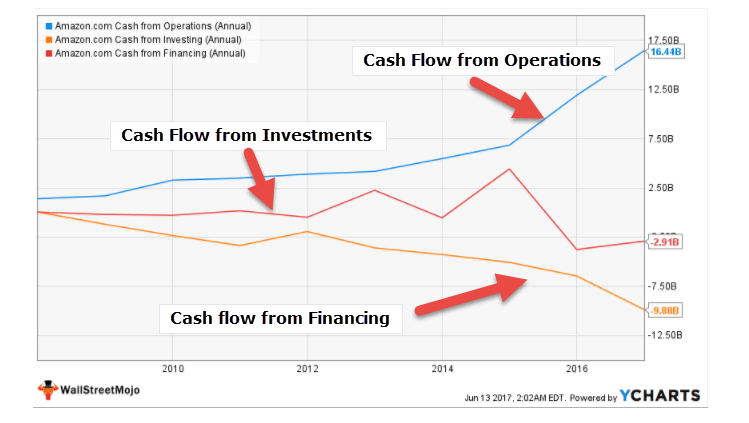
| Operating Cash Flow | Focuses on cash generated from core business operations, highlighting the efficiency of everyday transactions. |
| Investing Cash Flow | Involves cash spent on investments like property or equipment, reflecting the company’s growth strategy and future potential. |
| Financing Cash Flow | Considers cash flow from financing activities, such as loans and shareholder payments, critical for assessing financial sustainability. |
| Net Cash Flow | The overall balance of cash inflow and outflow during a period, providing a snapshot of liquidity and financial health. |
By monitoring these components, businesses can gain insights into their cash management, ensuring they maintain liquidity to meet obligations and invest in growth opportunities.
The Difference Between Cash Flow and Profit
Understanding the distinction between cash flow and profit is vital for effective financial management. Cash flow refers to the actual movement of money in and out of a business, while profit indicates the financial gain after subtracting expenses from revenue. This difference becomes clear when examining a simple comparison table:
| Aspect | Cash Flow | Profit |
|---|---|---|
| Measurement Period | Real-time (daily/monthly) | Typically measured over longer periods |
| Focus | Liquidity and operational capability | Overall financial performance |
| Impact on Business | Indicates ability to pay obligations | Reflects business profitability |
| Calculation Method | Cash inflows – Cash outflows | Revenue – Expenses |
While profit can suggest a thriving business, cash flow analysis highlights potential liquidity problems. A profitable business that struggles with cash flow may face challenges paying suppliers or employees. Conversely, a business with strong cash flow can maintain operations even during less profitable periods. Recognizing these differences allows business owners to make informed decisions and maintain financial health.
Why Cash Flow Is Crucial for Business Success
Understanding the importance of cash flow goes beyond mere profit. Here are some key reasons why cash flow is vital for business success:
- Operational Stability: Positive cash flow ensures that a business can meet its day-to-day expenses, including wages, rent, and supplies.
- Growth Opportunities: Sufficient cash flow allows businesses to seize new opportunities, such as expanding operations or investing in marketing.
- Financial Health: Regular Cash Flow Analysis helps identify potential issues before they escalate, promoting long-term sustainability.
- Debt Management: Consistent cash flow enables timely repayments on debts, enhancing creditworthiness and reducing financial stress.
| Aspect | Cash Flow | Profit |
|---|---|---|
| Focus | Liquid assets | Accumulated revenues |
| Measure | Inflows vs. outflows | Revenues minus expenses |
| Timing | Immediate transactions | Long-term gains |
| Business Survival | Essential for daily operations | May not reflect operational health |
Incorporating effective cash flow strategies empowers businesses to navigate challenges and thrive in a competitive environment.

Common Cash Flow Analysis Techniques
To effectively manage your finances, understanding various techniques for analyzing cash flow can prove invaluable. These strategies not only help identify potential cash shortfalls but also uncover opportunities for growth. Here are some common techniques worth considering:
| Technique | Description |
|---|---|
| Direct Method | This method tracks cash inflows and outflows directly through actual transactions, providing a clear and straightforward view of cash movements. |
| Indirect Method | A more complex approach that starts with net income and adjusts for non-cash transactions and changes in working capital to determine cash flow. |
| Cash Flow Forecasting | This predictive method estimates future cash inflows and outflows based on historical data, helping businesses anticipate cash needs. |
| Variance Analysis | Comparing projected cash flow against actual cash flow allows businesses to understand discrepancies and adjust strategies accordingly. |
By utilizing these techniques, businesses can enhance their financial decision-making, thus ensuring a healthier financial future. Implementing these methods leads to a clearer picture of one’s financial landscape, allowing for swift responsiveness to market changes.
How to Improve Your Cash Flow Management
Improving your cash flow management is essential for maintaining business stability. Here are several strategies to enhance your approach.
1. Monitor Cash Flow Regularly: Keep a close watch on your daily, weekly, and monthly cash flow to identify potential shortfalls early. Use Cash Flow Analysis tools for insights.
2. Streamline Invoicing: Ensure your invoicing process is efficient. Send invoices promptly and consider offering early payment discounts to encourage quicker payments.
3. Optimize Inventory Levels: Assess your inventory management to prevent overstocking or stockouts, which can tie up cash unnecessarily.
4. Negotiate Payment Terms: Engage with suppliers to negotiate better payment terms. Extending your payment timeframe can help you maintain cash flow.
| Strategy | Effect on Cash Flow |
|---|---|
| Monitor Cash Flow Regularly | Early problem detection |
| Streamline Invoicing | Faster receivables |
| Optimize Inventory Levels | Reduced cash ties |
| Negotiate Payment Terms | Increased liquidity |
Implementing these tactics not only strengthens your Cash Flow Analysis but also builds a solid foundation for long-term success.
Frequently Asked Questions
What is cash flow analysis?
Cash flow analysis is a systematic method of tracking the inflow and outflow of cash in a business over a specified period. It involves recording all incoming cash from sales and other income sources, as well as all outgoing cash for expenses, investments, and liabilities. This analysis helps business owners understand their liquidity position, gauge how well they can meet their financial obligations, and make informed decisions about future investments and expenditures.
Why is cash flow analysis more important than profit?
While profit measures a company’s financial gain, cash flow analysis offers a clearer picture of a business’s liquidity and operational efficiency. A company can show profits on paper while struggling with cash shortages, which can lead to serious operational challenges. Cash flow analysis helps businesses identify trends, manage expenses better, and ensure that they have sufficient cash reserves to fund daily operations, pay suppliers, and invest in growth opportunities.
How can businesses improve their cash flow?
Businesses can improve cash flow through several strategies, such as optimizing their payment terms with customers and suppliers, reducing unnecessary expenses, and investing in efficient inventory management. Additionally, regularly monitoring cash flows can help identify potential shortfalls ahead of time, allowing businesses to make necessary adjustments. Offering discounts for early payments or tightening credit terms can also accelerate cash inflows and help maintain a healthy cash flow.
Who can benefit from cash flow analysis?
Cash flow analysis is beneficial for a wide range of stakeholders including small business owners, entrepreneurs, investors, financial analysts, and corporate managers. Small business owners can utilize this analysis to understand their financial health and ensure solvency, while investors can assess a company’s viability and long-term success potential. Financial analysts rely on cash flow statements to provide meaningful insights into investment opportunities and risks, thus making it a vital tool for informed decision-making.