Financial Analysis Understanding Market Signals and Investment Trends

Introduction
Financial analysis is a critical discipline within economics and investment management. It involves examining financial data, market indicators, and economic trends to evaluate the performance and potential of businesses, industries, and financial markets. Investors, analysts, and institutions rely on financial analysis to make informed decisions, minimize risk, and identify profitable opportunities.
In modern financial ecosystems, analysis combines quantitative methods, macroeconomic evaluation, and market psychology to interpret complex financial environments.
What Is Financial Analysis?
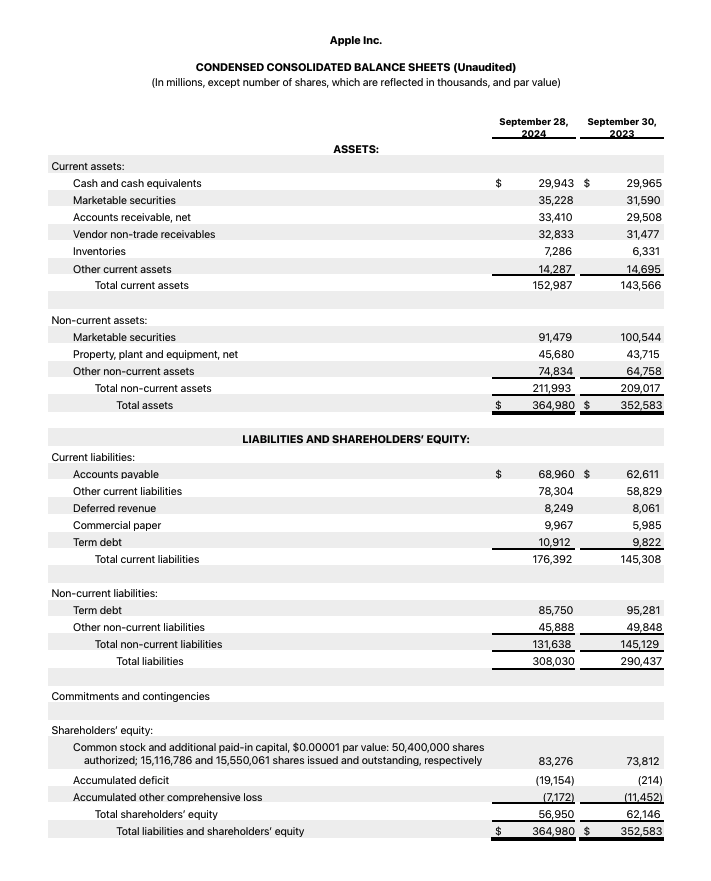
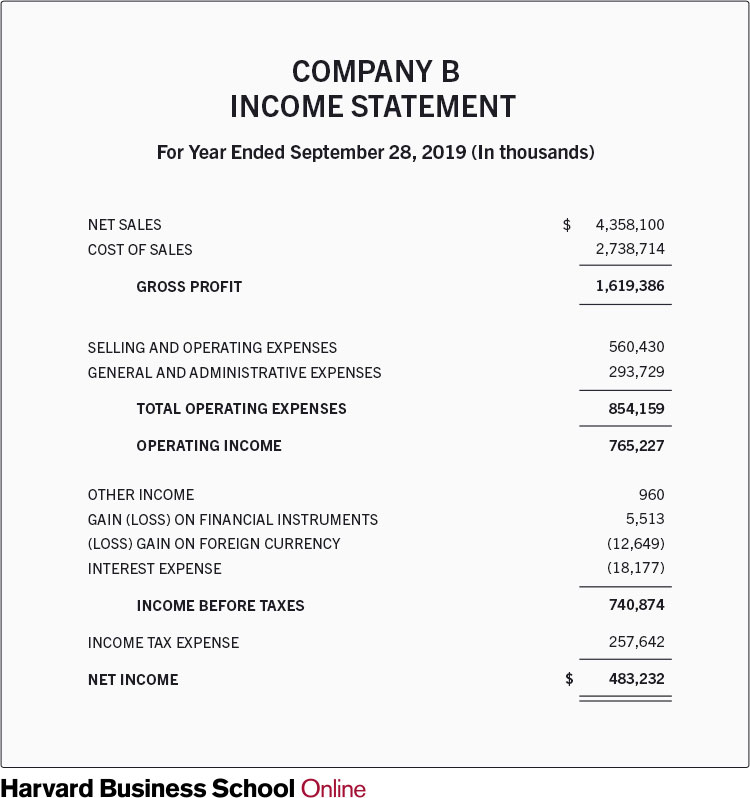
Financial analysis refers to the systematic evaluation of financial information such as income statements, balance sheets, cash flow statements, and market indicators to determine an asset’s financial health and future potential.
Core Objectives of Financial Analysis
| Objective | Explanation |
|---|---|
| Performance Evaluation | Measuring how well a company or asset is performing financially |
| Risk Assessment | Identifying potential financial risks or vulnerabilities |
| Investment Decision Making | Helping investors decide whether to buy, sell, or hold assets |
| Forecasting | Predicting future financial performance based on historical data |
Types of Financial Analysis
Financial analysis can be categorized into several major types depending on the analytical focus.
1. Fundamental Analysis
Fundamental analysis examines the intrinsic value of a company by analyzing financial statements, economic conditions, and industry performance.
Key factors include:
- Revenue growth
- Profit margins
- Debt levels
- Market position
- Management quality
Example metrics often used:
| Metric | Purpose |
|---|---|
| P/E Ratio | Evaluates stock valuation |
| EPS | Measures company profitability |
| Debt-to-Equity Ratio | Indicates financial leverage |
2. Technical Analysis
Technical analysis focuses on historical price movements and trading volume to predict future market behavior.
Common tools include:
- Moving averages
- Support and resistance levels
- Relative Strength Index (RSI)
- MACD indicators
Technical analysts believe that market prices reflect all available information.
3. Quantitative Analysis
Quantitative analysis relies on mathematical models, statistical methods, and algorithmic strategies to evaluate financial data.
Applications include:
- Risk modeling
- Portfolio optimization
- Algorithmic trading
- Predictive market models
Key Financial Ratios Used in Analysis
Financial ratios help analysts compare companies and identify trends.
| Ratio | Formula | Meaning |
|---|---|---|
| Liquidity Ratio | Current Assets / Current Liabilities | Measures short-term solvency |
| Profit Margin | Net Income / Revenue | Shows operational efficiency |
| Return on Equity (ROE) | Net Income / Shareholder Equity | Indicates profitability relative to equity |
| Debt Ratio | Total Debt / Total Assets | Evaluates financial leverage |
Importance of Financial Analysis for Investors
Financial analysis provides a structured approach to evaluating investment opportunities.
Major benefits include:
- Better understanding of market risks
- Identification of undervalued assets
- Improved portfolio diversification
- Strategic long-term investment planning
Professional investors rarely rely on a single method; instead, they combine fundamental, technical, and quantitative analysis to obtain a comprehensive market perspective.
Challenges in Financial Analysis
Despite its importance, financial analysis faces several limitations:
- Market volatility and unpredictable events
- Incomplete or manipulated financial data
- Behavioral biases among investors
- Rapid changes in global economic conditions
Therefore, analysts must continuously update models and interpret data cautiously.
Conclusion
Financial analysis remains an essential tool in modern financial markets. By systematically evaluating financial data, investors and analysts can identify trends, assess risks, and make strategic investment decisions. As financial markets become increasingly complex and data-driven, the role of analytical methods, financial modeling, and technological tools will continue to expand.
A comprehensive financial analysis approach—combining fundamental insights, technical indicators, and quantitative models—provides the most reliable framework for navigating today’s dynamic financial environment.