How to Detect Financial Scams Before Investing
Investing can be a lucrative endeavor; however, it is fraught with potential peril, notably in the form of financial scams. These deceptive practices have proliferated in recent years, taking on various forms that can ensnare even the most vigilant investors. Understanding the multitude of types of financial scams is paramount to safeguarding one’s financial future. By familiarizing ourselves with the nuances of these fraudulent schemes, we empower ourselves to discern the subtle yet critical warning signs of financial scams that may precede an ill-fated investment decision. This guide endeavors to elucidate effective methodologies on how to prevent financial scams from infiltrating our investment strategies and outlines the legal frameworks available for reporting financial scams when the unfortunate occurs. Just as every prudent investor engages in due diligence, recognizing the mechanisms of deceit is essential for fortifying one’s financial landscape against malfeasance.
Understanding Financial Scams: Definition and Characteristics
Financial scams encompass a variety of deceitful schemes designed to extract money or sensitive information from unsuspecting individuals or entities. Typically rooted in manipulation and deception, these scams employ elaborate narratives to gain trust while diverting attention from their ulterior motives. A comprehensive understanding of financial scams is critical for investors to safeguard their assets and make informed decisions.
Characteristics of Financial Scams:
- Lack of Transparency: Scammers often obscure critical information, making it difficult for victims to comprehend the risks involved until it is too late.
- High Returns with Low Risk: Offers that seem too good to be true, promising substantial profits with minimal risk, are frequently hallmarks of fraudulent schemes.
- Pressure Tactics: Many scams employ high-pressure selling techniques, insisting on immediate investment decisions to prevent victims from conducting adequate research.
- Fake Credentials: Scammers may impersonate reputable organizations or legitimate experts, using forged documents to build a façade of credibility.
A Comparative Overview of Financial Scam Tactics
| Characteristic | Description |
|---|---|
| Obscured Information | Essential details are often withheld or presented misleadingly. |
| Unrealistic Promises | Guaranteed returns that understate investment risk factors. |
| Urgency | Immediate action is required, discouraging reflection. |
| False Representation | Use of falsified identity or credentials to gain trust. |
Thus, understanding these characteristics is pivotal for effective detection and prevention. Awareness of the diverse types of financial scams, combined with knowledge of how to prevent financial scams, can empower investors to make judicious choices. Moreover, knowing the role of reporting financial scams provides an added layer of protection for individuals and the community at large.
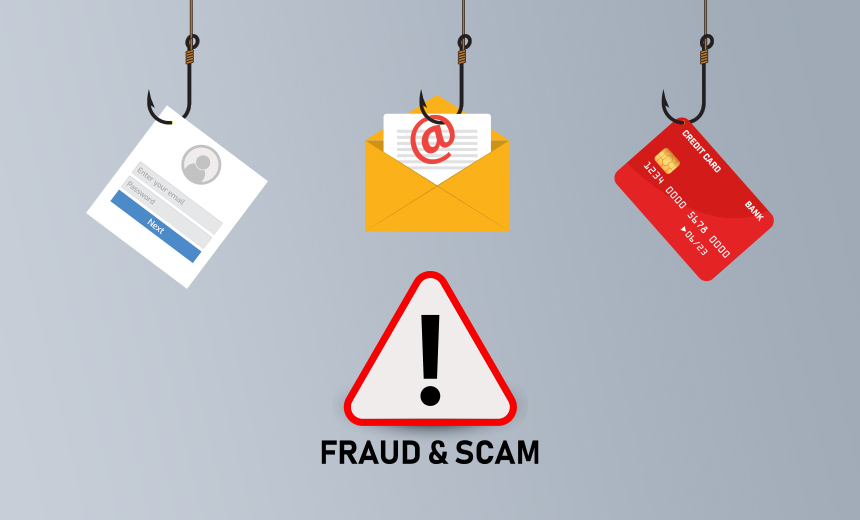
Exploring the Different Types of Financial Scams
In the contemporary financial landscape, knowledge of types of financial scams is imperative for prospective investors. Financial scams exploit the complexities of investment opportunities, often masquerading as legitimate enterprises. To delineate these scams effectively, one can categorize them into several prominent types, as illustrated below:
| Type of Financial Scam | Characteristics | Examples |
|---|---|---|
| Ponzi Schemes | Promise high returns with little risk, reliant on new investors. | Madoff Investment Securities |
| Pump and Dump | Inflating stock prices through misleading statements to sell at a profit. | Microcap stocks |
| Advance Fee Fraud | Requires upfront payments for promised financial gains that never materialize. | Lottery or grant scams |
| Pyramid Schemes | Profits earned primarily by recruiting new members rather than by selling products or services. | Multi-Level Marketing (MLM) |
| Fake Investment Platforms | Establishes a deceptive online presence, tricking users into depositing funds. | Cryptocurrency scams |
Each category possesses distinct attributes that merit scrutiny, hence understanding them elucidates potential vulnerabilities in investor behavior. Specifically, awareness of common indicators such as unsolicited solicitations, lack of transparency, and pressure tactics can significantly mitigate risk.
Moreover, fostering a comprehensive strategy that emphasizes how to prevent financial scams enhances an individual’s financial acuity. Regularly consulting credible sources and utilizing technology designed to detect fraudulent activities constitute vital practices. Lastly, establishing proper channels for reporting financial scams—such as governmental and nonprofit organizations—ensures the collective effort against such fraudulent activities, reinforcing community resilience against deceit.
Recognizing Warning Signs of Financial Scams Before Investing
The prevalence of types of financial scams has heightened the necessity for potential investors to develop a critical eye for identifying warning signs that may signal deceitful practices. A fundamental aspect of this discerning process lies in recognizing specific indicators commonly associated with fraudulent schemes.
One prominent warning sign is unrealistic promises of high returns in a short period. Any investment opportunity that guarantees exorbitant profits with minimal risk warrants careful scrutiny. Similarly, pressure tactics, such as urging individuals to invest quickly to ‘secure a spot’ or ‘take advantage of a limited opportunity,’ reflect manipulative behavior typical of scams.
Moreover, an absence of documentation or lack of transparency about the investment mechanism is a glaring red flag. Reputable investment avenues provide comprehensive disclosures and a clear understanding of how funds will be utilized. Those who promote investment opportunities without verifying their legitimacy may also exhibit vagueness in detailing company credentials or providing references.
Furthermore, understanding how to prevent financial scams requires vigilance toward unsolicited communications, especially via emails or phone calls that solicit investments. Engaging in due diligence, such as researching the investment firm’s background through regulatory agencies, can provide critical insights into legitimacy.
To further emphasize the importance of vigilance, it is prudent to compare legitimate investment strategies with common abnormalities. The following table delineates these aspects:
| Characteristic | Legitimate Investments | Potential Scam Indicators |
|---|---|---|
| Returns on Investment | Realistic and commensurable | Guaranteed high returns with low risk |
| Company Transparency | Clear, accessible information | Vague or evasive details |
| Documentation | Comprehensive legal documents | Absence of documentation |
| Communication Style | Professional and courteous | High-pressure tactics |
| Regulatory Compliance | Registered with regulatory bodies | No record of registration |
Awareness of these warning signs significantly enhances the ability to safeguard against the ramifications of reporting financial scams, thereby promoting a more secure investment environment. By cultivating an understanding of these indicators, investors can navigate the treacherous waters of investment opportunities more effectively, ensuring their financial security.
Strategies for Preventing Financial Scams in Investment Activities
The proliferation of diverse types of financial scams necessitates the implementation of rigorous preventive measures in investment activities. Effective prevention strategies not only safeguard personal resources but also enhance overall investment acumen. Below are key strategies tailored to thwart the prevalence of financial misconduct:
- Educate Yourself: Understanding the landscape of investment opportunities, regulations, and common scams is imperative. Resources such as seminars, workshops, and credible literature can fortify one’s knowledge base.
- Thorough Research and Due Diligence: Engaging in meticulous research before any investment decision is crucial. Utilize financial statements, perform background checks on brokers, and scrutinize investment plans to ensure legitimacy.
- Recognize Red Flags: Identifying suspicious behavior can be a powerful deterrent. Be attentive to:
- Promises of high returns with low risks
- Pressure tactics urging immediate investment decisions
- Lack of transparency in operations and disclosures
- Utilize Technology: Leverage the power of technology by employing fraud detection software and resources to flag potential scams.
- Create a Diversified Investment Portfolio: Minimizing risk through diversification not only protects against significant losses but also dilutes exposure to specific frauds.
- Engage Professionals: Consider consulting with certified financial advisors who can provide unbiased guidance and insights. Their expertise is invaluable in identifying legitimate opportunities and avoided fraudulent schemes.
| Strategy | Description |
|---|---|
| Educate Yourself | Gain knowledge about financial markets and common scams. |
| Thorough Research | Investigate potential investments and their origins. |
| Recognize Red Flags | Watch for suspicious patterns and pressure tactics. |
| Utilize Technology | Use software to detect and prevent scams. |
| Create a Diversified Portfolio | Spread investments to minimize risk exposure. |
| Engage Professionals | Seek advice from certified financial experts. |
Integrating these strategies into an investment framework remains essential in understanding how to prevent financial scams. Furthermore, proactive reporting financial scams can significantly contribute to safeguarding the broader financial community from fraudulent activities. Knowledge, vigilance, and professional counsel form the pillars of a robust defense against financial misconduct.

Legal Frameworks and Resources for Reporting Financial Scams
The landscape of financial scams is continuously evolving, underscoring the necessity for robust legal frameworks and dedicated resources aimed at detecting and mitigating these threats. Various jurisdictions have established comprehensive regulatory mechanisms that empower investors and stakeholders to safeguard their interests effectively.
Key Legal Frameworks:
| Framework | Description |
|---|---|
| Securities Exchange Act | Mandates disclosure requirements for entities offering investments, inherently deterring deception. |
| Dodd-Frank Act | Strengthens regulatory oversight, enhances investor protections, and facilitates whistleblower rewards for reporting misconduct. |
| Consumer Financial Protection Bureau (CFPB) | Provides resources for investors to understand their rights and pursue remedies against fraudulent practices. |
A focal point in the ongoing battle against financial scams involves the critical role of reporting mechanisms. Establishing and utilizing these channels can significantly contribute to preventing further injustices. For instance, potential victims are encouraged to report suspicious activity to regulatory bodies such as the U.S. Securities and Exchange Commission (SEC) or the Federal Trade Commission (FTC), thereby enhancing collective awareness.
Additionally, organizations like the Better Business Bureau (BBB) offer platforms for individuals to share experiences, bolstering community vigilance. Understanding how to prevent financial scams necessitates engaging with these resources proactively. By capitalizing on the existing legal and institutional frameworks, individuals can effectively play their part in thwarting fraudulent schemes, ensuring that they not only protect themselves but also contribute to the broader effort against financial scams.
The Role of Due Diligence in Protecting Against Financial Scams
In the contemporary financial landscape, the essence of due diligence cannot be overstated. This systematic investigation fosters an informed decision-making process that is pivotal in protecting against various types of financial scams. Due diligence entails a rigorous evaluation of potential investments, which includes extensive research and analysis of the prospective entity’s financial health, regulatory compliance, and market reputation.
Conducting due diligence equips investors with the necessary insights to differentiate legitimate opportunities from deceitful schemes. A critical aspect of this process is recognizing the warning signs of financial scams. These may include inconsistent financial statements, lack of transparency, and overly complex investment structures that obfuscate the real risks involved. Such indicators often serve as red flags, prompting further scrutiny.
Moreover, understanding the regulatory environment enhances the how to prevent financial scams. Engaging with accredited sources, such as financial regulators and industry watchdogs, can provide valuable information on compliance violations or reports of fraudulent activities associated with specific entities. Additionally, maintaining an open dialogue within investment communities fosters a culture of awareness and vigilance.
Lastly, while due diligence requires a time investment, the potential benefits far outweigh the risks involved. By committing to thorough evaluations and leveraging available resources for reporting financial scams, investors can substantially mitigate their exposure to financial deception. It is, therefore, a crucial element in the larger framework of financial literacy and security.
Frequently Asked Questions
What are the common indicators of financial scams that investors should be aware of?
Common indicators of financial scams often include promises of exceptionally high returns with little to no risk, unsolicited investment offers, and pressure tactics, such as urgency in decision-making. Furthermore, skepticism is warranted when presented with intricate investment strategies that lack transparency or comprehensible documentation. Legitimate investment opportunities are typically characterized by regulatory compliance, which is exhibited through registrations with authorities such as the SEC or equivalent entities, and they provide accessible information for potential investors to conduct thorough due diligence.
How can investors verify the legitimacy of an investment opportunity?
Investors can verify the legitimacy of an investment opportunity through several meticulous steps, including researching the investment promotional materials and examining the credentials of the individuals or firms involved. A critical approach involves checking for regulatory compliance, which can be done through inspection of the registries maintained by organizations like the Financial Industry Regulatory Authority (FINRA) or the Securities and Exchange Commission (SEC). Furthermore, utilizing internet resources to look for red flags such as negative reviews or legal actions against the individuals or companies can significantly aid in discerning the authenticity of the investment proposal.
What steps should be taken if a person suspects they have been a victim of a financial scam?
If an individual harbors suspicions of falling prey to a financial scam, immediate action is imperative to mitigate potential losses. The first step is to cease all communication with the scammers and discontinue any further investments. Subsequently, reporting the incident to appropriate regulatory bodies such as the Federal Trade Commission (FTC) or reporting it to local law enforcement can facilitate a broader investigation. Additionally, seeking advice from financial professionals or legal counsel may provide further direction on recovering lost funds and ensuring personal financial security post-scam.
Are there specific red flags associated with unsolicited investment offers?
Unsolicited investment offers are frequently fraught with red flags that warrant acute scrutiny. These include unrealistic guarantees of high returns, often presented as a ‘once-in-a-lifetime’ opportunity, which typically do not align with standard market behaviors. Furthermore, these offers might lack proper documentation or clarity in the terms and conditions, and often the modes of communication used—such as social media, cold calls, or unsolicited emails—signal a higher likelihood of fraudulent intent. Investors should also be wary of complaints or negative feedback pertaining to these unsolicited offers from credible sources.