How to Analyze Dividend Stocks for Long-Term Passive Income
In today’s financial landscape, securing a reliable source of passive income is more important than ever, and investing in Dividend Stocks can be a powerful strategy to achieve this goal. Understanding the nuances of these investments is crucial for both novice and seasoned investors alike. This guide will delve into essential metrics for evaluating dividend-generating companies, the significance of dividend yield, and how to assess the financial health of businesses to ensure sustainable dividends. Additionally, we’ll explore effective diversification strategies for your dividend portfolio and the benefits of reinvesting dividends to amplify your returns over time. Join us as we uncover the insights needed to effectively analyze dividend stocks and pave the way for long-term financial success.
Understanding Dividend Stocks and Their Importance in Investment Strategy
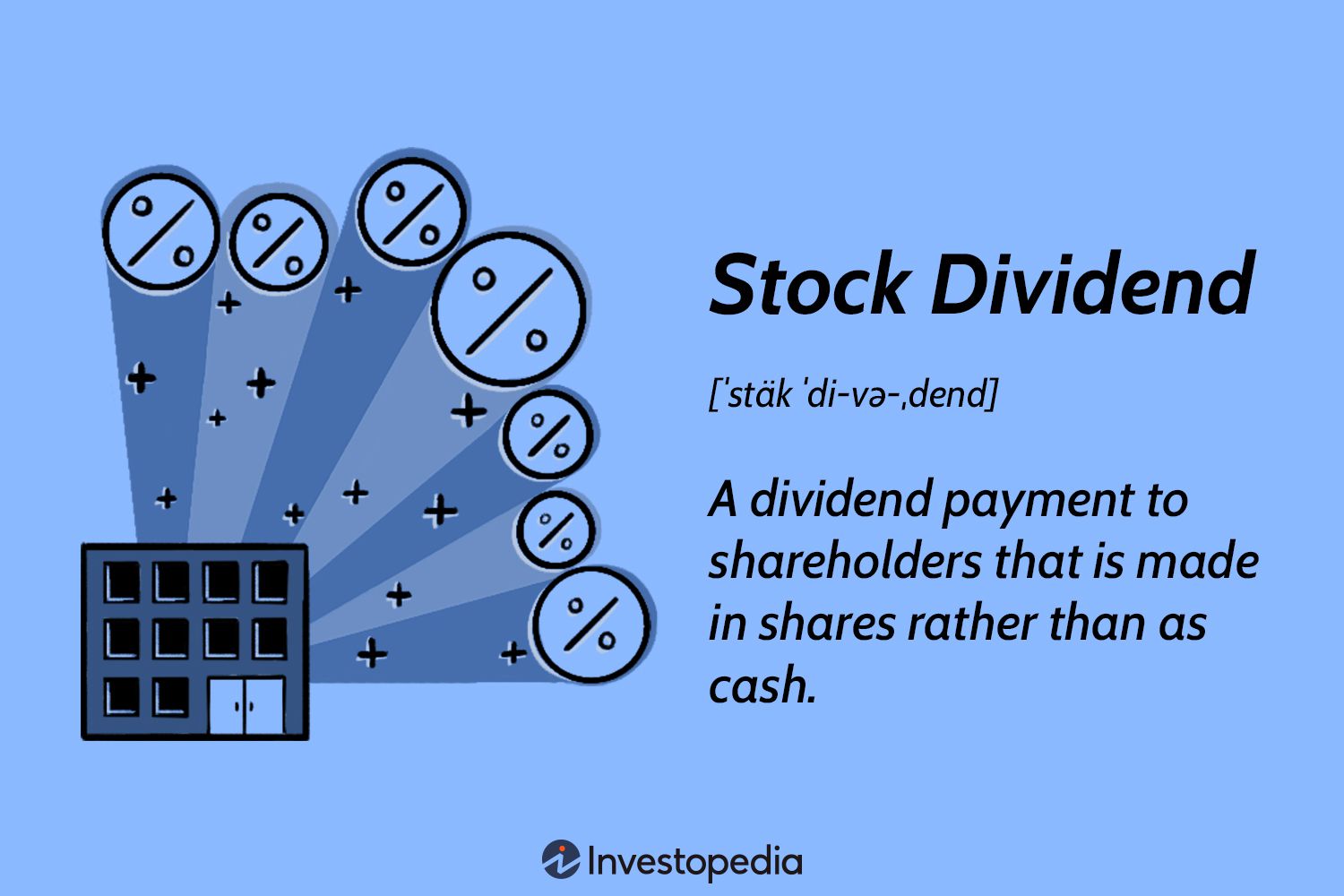
Dividend Stocks represent shares in companies that regularly distribute a portion of their earnings to shareholders, making them an attractive option for income-focused investors. Understanding their role in your investment strategy is crucial for building wealth over time. Here are some key points to consider:
- Income Generation: Unlike growth stocks, Dividend Stocks provide a steady stream of income, which can be reinvested or used for expenses.
- Risk Mitigation: Investing in dividend-paying companies often indicates financial stability, as these companies are typically less volatile in market downturns.
- Total Return: Dividends contribute significantly to total returns, especially in a long-term investment horizon.
| Aspect | Explanation |
|---|---|
| Income Potential | Regular payouts provide cash flow for investors. |
| Stability | Dividend-paying firms often exhibit lower volatility. |
| Long-Term Growth | Reinvesting dividends can compound returns over time. |
Incorporating Dividend Stocks into your portfolio can enhance your overall strategy, providing both income and security in an ever-changing market landscape.
Key Metrics to Evaluate Dividend Stocks
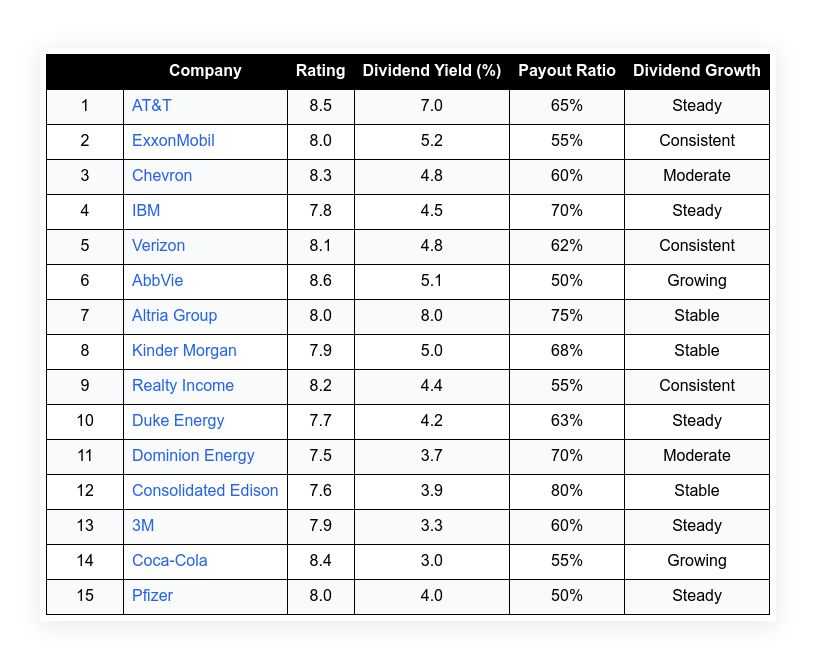
When evaluating Dividend Stocks, several key metrics play a crucial role in identifying sustainable investments. Understanding these metrics can help you make informed decisions that lead to long-term passive income.
| Metric | Description |
|---|---|
| Dividend Yield | Represents the annual dividend payment divided by the stock price, indicating how much return you can expect. |
| Payout Ratio | This ratio shows the proportion of earnings paid out as dividends. A lower payout ratio typically signals potential for growth. |
| Dividend Growth Rate | Measures the annualized percentage increase in dividends. A consistent growth rate suggests a strong business model. |
| Free Cash Flow | Indicates the cash available after capital expenditures. Positive free cash flow is crucial for sustaining or increasing dividends. |
| Debt-to-Equity Ratio | This ratio assesses company leverage. Lower ratios suggest less risk, enhancing the safety of dividend payments. |
Evaluating these metrics will provide a clearer picture of a company’s financial health and its ability to maintain or grow dividends over time. This approach ensures that your Dividend Stocks can serve as a reliable source of passive income.
The Impact of Dividend Yield on Long-Term Investment
When evaluating Dividend Stocks, understanding dividend yield is crucial for building a solid investment portfolio. Dividend yield is calculated by dividing the annual dividend payment by the stock’s current price. For instance, a stock priced at $100 with an annual dividend of $4 has a yield of 4%.
| Stock | Price ($) | Annual Dividend ($) | Dividend Yield (%) |
|---|---|---|---|
| Company A | 100 | 4 | 4.0 |
| Company B | 75 | 3 | 4.0 |
| Company C | 200 | 6 | 3.0 |
A higher yield can indicate a potentially lucrative investment, but it’s essential to consider the sustainability of those dividends. A company consistently offering reasonable dividends creates a reliable income stream and reduces the risk of stock price volatility. Thus, while searching for Dividend Stocks, prioritize companies with strong financial health that promise stable and growing dividend yields over time.
Assessing Company Financial Health for Sustainable Dividends
Evaluating the financial health of a company is crucial when investing in Dividend Stocks. A robust financial position often indicates that a company can sustain its dividend payouts. Here are key aspects to consider:
- Earnings Consistency: Steady earnings over the years suggest reliability.
- Debt Levels: Companies with manageable debt levels can better weather economic downturns.
- Cash Flow: Positive cash flow indicates the company can support dividend payments.
| Financial Metric | Ideal Range | Importance |
|---|---|---|
| Earnings Per Share (EPS) | Consistent Growth | Shows profitability and earnings potential |
| Debt-to-Equity Ratio | Below 1.0 | Indicates leverage and financial stability |
| Free Cash Flow | Growing Year-over-Year | Ensures funds are available for dividends |
By focusing on these metrics, investors can gain confidence in the sustainability of dividend payments offered by Dividend Stocks, ensuring long-term passive income growth.

Diversification Strategies for Dividend Stock Portfolios
Diversifying Dividend Stocks is essential for minimizing risk while maximizing potential returns. A well-structured portfolio can mitigate the impact of market volatility and enhance long-term passive income. Here are key strategies to diversify effectively:
| Strategy | Description |
|---|---|
| Sector Diversification | Invest across various sectors (e.g., healthcare, utilities, tech) to reduce exposure to industry-specific risks. |
| Geographic Diversification | Consider stocks from different regions to hedge against local economic downturns and take advantage of global growth. |
| Market Capitalization | Include a mix of large-cap, mid-cap, and small-cap companies to balance stability with growth potential. |
| Dividend Growth vs. High Yield | Combine stocks that offer consistent dividend growth with high-yield options for immediate income and long-term appreciation. |
By implementing these strategies, investors can build a resilient portfolio of Dividend Stocks that supports sustainable income while navigating market fluctuations.
Reinvesting Dividends: A Path to Greater Passive Income
Reinvesting dividends can significantly enhance your Dividend Stocks investment strategy. This approach allows investors to utilize their earnings to purchase additional shares, thereby compounding growth over time. For instance, by reinvesting $1,000 in dividends with an annual return of 8%, you could see your investment grow by over 150% in just 20 years!
| Year | Initial Investment | Annual Dividends (8%) | Total Investment Value |
|---|---|---|---|
| 1 | $1,000 | $80 | $1,080 |
| 5 | $1,000 | $466 | $1,466 |
| 10 | $1,000 | $1,080 | $2,080 |
| 20 | $1,000 | $5,670 | $6,670 |
Moreover, reinvesting dividends not only amplifies your returns but also mitigates the effects of market volatility. By focusing on long-term growth, you can create a self-sustaining cycle of earnings that generates even more income over time.
Thus, viewing Dividend Stocks as long-term investments and harnessing the power of reinvestment can be a highly effective strategy to secure future financial stability and passive income.
Frequently Asked Questions
What are dividend stocks and how do they work?
Dividend stocks are shares of companies that return a portion of their profits to shareholders in the form of dividends. These payments are typically made quarterly and can provide a steady source of income for investors. Companies that pay dividends are usually well-established and financially stable, allowing them to distribute earnings back to shareholders. Investors can benefit from both regular income and potential capital appreciation, making dividend stocks popular for long-term passive income.
How should I start analyzing dividend stocks?
To begin analyzing dividend stocks, start by researching the company’s financial history, particularly its earnings track record and cash flow statements. Look for companies with a consistent history of dividend payments and increases, known as Dividend Aristocrats. Additionally, evaluate the dividend yield, payout ratio, and other key financial metrics that can provide insight into the stock’s sustainability and growth potential. An understanding of the company’s business model and market position is also crucial.
What key metrics should I look for when evaluating dividend stocks?
When evaluating dividend stocks, consider metrics like dividend yield, which shows the annual dividend payment as a percentage of the stock price. The payout ratio is also vital; it indicates the proportion of earnings paid out as dividends. Analyze the company’s growth prospects by looking at earnings per share (EPS) growth and revenue trends over time. Additionally, the dividend growth rate can reveal how consistently a company raises its dividends, enhancing income reliability.
Are dividend stocks safe investments for long-term income?
While dividend stocks can be safer investments compared to growth stocks due to their established nature and steady income, they are not without risk. Economic downturns can adversely affect payout capabilities, and some companies might cut their dividends in tough times. Diversification is important in managing this risk; investing in a variety of dividend-paying sectors can provide a buffer against unforeseen market fluctuations and contribute to overall investment stability.