Step-by-Step Guide to Analyzing Income Statements for Beginners
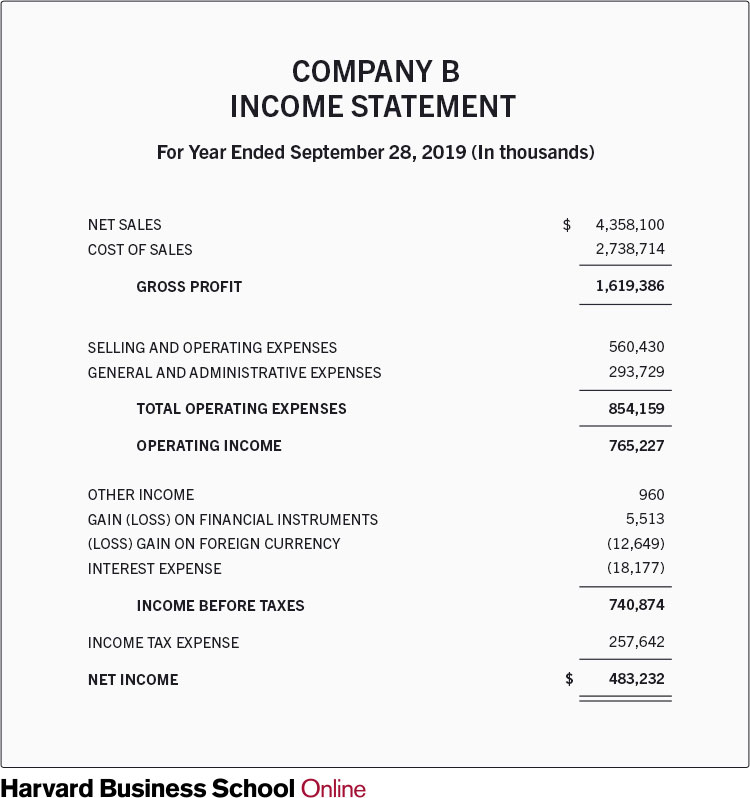
In the world of finance and business, Income Statements serve as crucial tools for understanding the profitability and financial performance of a company. For beginners, navigating through these documents can feel overwhelming, but mastering this skill is essential for making informed investment decisions or assessing a business’s health. This step-by-step guide aims to demystify the process, offering insights into the significance of income statements, their key components, and effective reading techniques. By breaking down the analysis into manageable steps and highlighting common pitfalls to avoid, we empower newcomers with the practical tips needed to confidently engage with and interpret these vital financial documents. Whether you’re a budding investor or simply curious about how businesses operate, this guide will lay a solid foundation for your journey into income statement analysis.
Understanding the Importance of Income Statements
Income Statements are essential financial documents that provide insights into a company’s profitability over a specific period. They play a crucial role in assessing the financial health of a business. Understanding the importance of these statements can significantly enhance your investment or management decisions. Here are some key reasons why Income Statements matter:
- Profitability Analysis: They allow stakeholders to gauge how much profit a company generates from its revenues after accounting for expenses.
- Performance Over Time: Income Statements help track a company’s performance trends over multiple periods, revealing growth or decline.
- Operational Efficiency: By analyzing the cost structure, one can determine how efficiently a company manages its resources.
| Key Importance | Description |
|---|---|
| Assessing Profitability | Evaluates overall earnings and margins |
| Tracking Performance | Compares financial results across different time frames |
| Informed Decision-Making | Guides investors, managers, and stakeholders to make strategic choices |
By grasping these fundamental aspects, beginners can unlock the full potential of Income Statements in financial analysis and decision-making.
Key Components of Income Statements
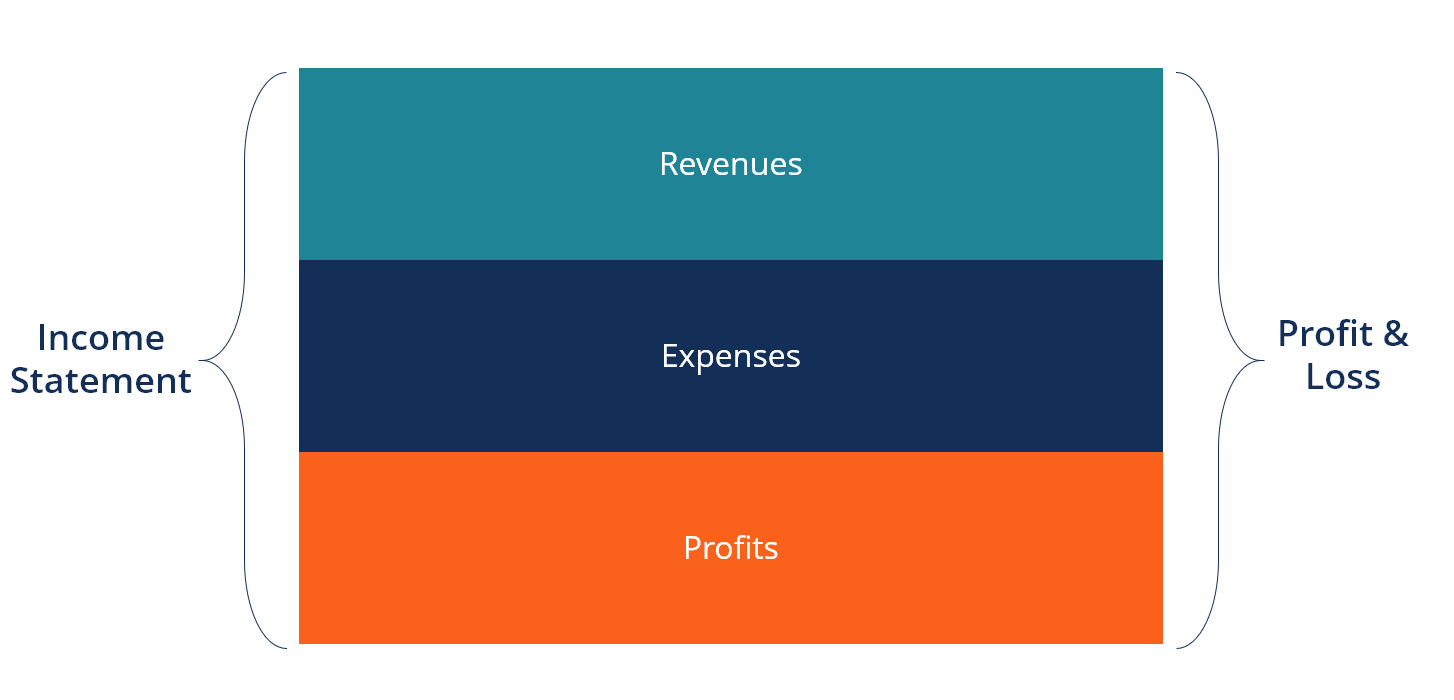
An Income Statement serves as a crucial financial report that summarizes a company’s revenues and expenses, ultimately showing its profitability over a specific period. To master Income Statements, it’s essential to understand their key components:
| Component | Description |
|---|---|
| Revenue | Total sales generated by the company, indicating business performance. |
| Cost of Goods Sold (COGS) | Direct costs attributable to the production of goods sold, impacting gross margin. |
| Gross Profit | Revenue minus COGS, highlighting earnings before operating expenses. |
| Operating Expenses | Costs required for running the business, such as salaries, rent, and utilities. |
| Net Income | The ultimate profit after all expenses, providing insight into overall profitability. |
Understanding these components allows beginners to effectively gauge the financial health of a business, making their analysis more insightful and actionable. Each element plays a vital role in illustrating how well a company manages its finances, making them indispensable for any financial analysis.
How to Read Income Statements Effectively
Reading Income Statements effectively is essential for beginners eager to understand a company’s financial performance. Start by familiarizing yourself with key components such as revenue, expenses, and net income.
- Top Line: Look at the revenue or sales figure, which indicates the total income generated.
- Cost of Goods Sold (COGS): Subtract COGS to determine the gross profit. This figure helps you assess production efficiency.
- Operating Expenses: Analyze these costs, including rent, salaries, and utilities, to identify operational efficiency.
- Net Income: Finally, the bottom line presents the profit or loss after all expenses have been deducted from total revenue.
Here’s a simple comparison table that summarizes these components:
| Component | Description | Importance |
|---|---|---|
| Revenue | Total sales generated | Indicates business scale |
| COGS | Direct costs of producing goods | Shows production efficiency |
| Gross Profit | Revenue minus COGS | Key for assessing profitability |
| Operating Expenses | Ongoing expenses for business support | Highlights areas for cost control |
| Net Income | Profit after all expenses | Final indicator of financial health |
By breaking down the Income Statement into these segments, you can gain valuable insights into the financial health of a company, making your analysis more effective.
Analyzing Income Statements: Step-by-Step Process
Understanding how to analyze Income Statements is essential for making informed business decisions. Here’s a concise, step-by-step process to guide you:
- Review the Structure
Familiarize yourself with the layout:- Revenue: Total sales generated.
- Expenses: Categorized into cost of goods sold (COGS) and operating expenses.
- Net Income: Profit after subtracting expenses from revenue.
- Calculate Key Ratios
Utilize financial ratios to derive meaningful insights:Ratio Calculation Purpose Gross Profit Margin (Revenue – COGS) / Revenue Assessing production efficiency Operating Margin Operating Income / Revenue Evaluating core business profitability Net Profit Margin Net Income / Revenue Understanding overall profitability - Compare Over Time
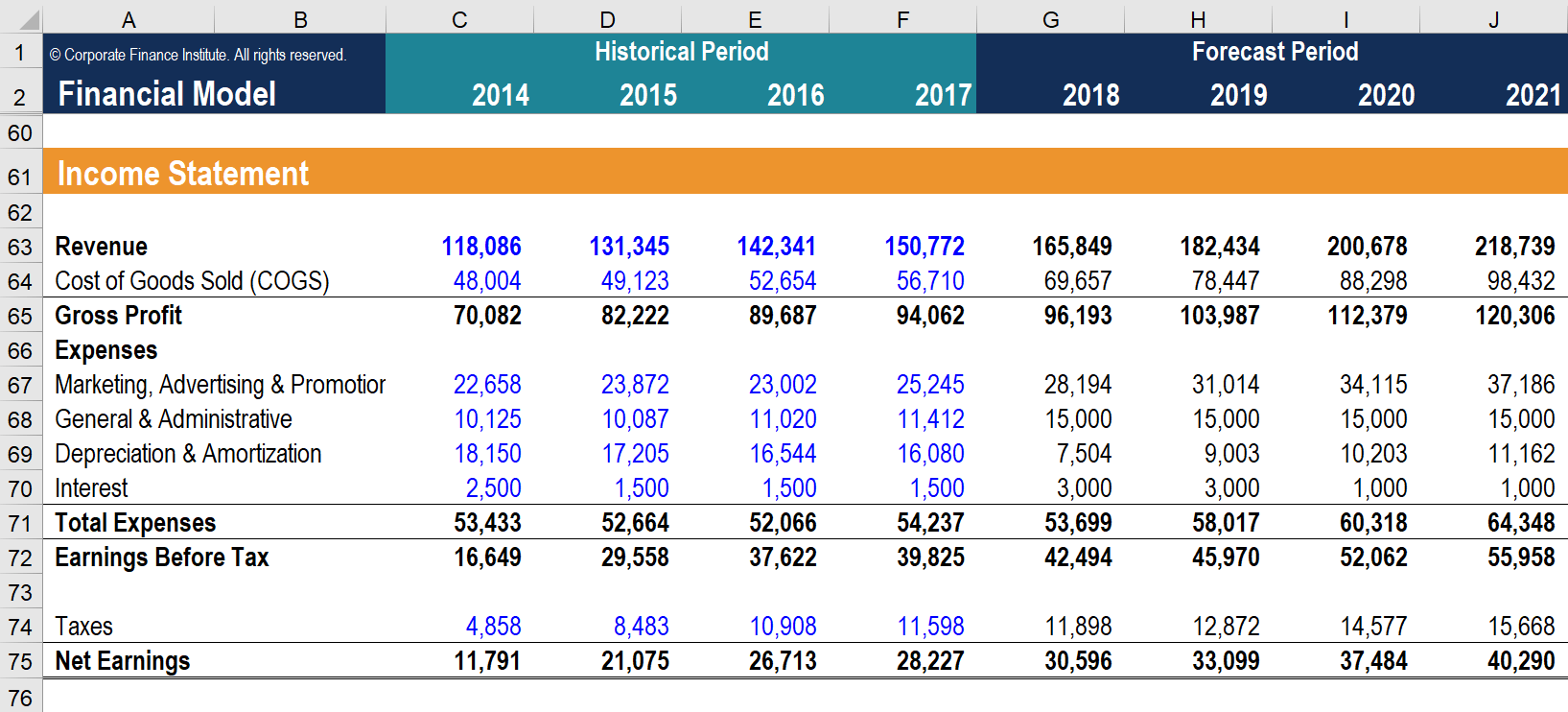
Analyze trends:- Look at multiple periods (quarterly or annually) to identify growth patterns or downturns.
- Benchmark Against Peers
Assess competitiveness by comparing with industry standards or similar companies.
By following this structured process, you’ll gain clarity in analyzing Income Statements, facilitating smarter financial decisions.
Common Mistakes to Avoid When Analyzing Income Statements
When diving into the world of Income Statements, beginners often encounter common pitfalls that can cloud their analysis. Recognizing these missteps is crucial for accurate financial assessment. Here are some key mistakes to watch out for:
| Mistake | Description |
|---|---|
| Overlooking Revenue Categories | Ignoring the difference between operating and non-operating revenues can skew results. |
| Ignoring Trends | Focusing solely on one period’s data rather than analyzing trends can lead to misinterpretation. |
| Neglecting Expenses | Not considering non-recurring expenses may paint an inaccurate financial picture. |
| Failing to Compare | Analyzing a single Income Statement without comparing against previous statements or competitors limits insights. |
| Misinterpreting Ratios | Miscalculating or misunderstanding key financial ratios can lead to faulty conclusions. |
By steering clear of these mistakes, you can significantly enhance your understanding and interpretation of Income Statements. Awareness is essential in transforming data into meaningful financial insights.
Practical Tips for Beginners in Income Statement Analysis
Analyzing Income Statements can initially seem daunting, but with the right approach, you can simplify the process significantly. Here are some practical tips to enhance your understanding and effectiveness:
- Familiarize Yourself with Terminology: Understanding key terms such as revenue, expenses, and net income is crucial for accurate interpretation.
- Use a Comparison Table: When evaluating multiple periods, create a simple comparison table to visualize trends over time. This can help you spot increases or declines in revenue and expenses quickly.
- Focus on Ratios: Analyzing ratios like the profit margin or return on equity can provide deeper insights into the company’s performance.
- Highlight Trends: Look for patterns in the data. Consistent growth in revenues or fluctuating expenses can indicate the overall health of the business.
- Ask Questions: Don’t hesitate to question any numbers that seem out of character. Understanding the reasoning behind significant changes can lead to valuable insights.
By implementing these tips, you’ll become more comfortable with Income Statement analysis and better equipped to recognize key financial trends and issues.
Frequently Asked Questions
What is an income statement, and why is it important for analyzing a business’s financial health?
An income statement is a financial document that summarizes a company’s revenues, costs, and expenses over a specific period of time, typically a fiscal quarter or year. It’s crucial for analyzing a business’s financial health because it reflects the company’s profitability by showing how much money it earned and spent. Investors and stakeholders use this information to evaluate performance, make informed decisions about investments, and assess the efficiency of the company’s operations.
What key components should beginners focus on when analyzing an income statement?
When analyzing an income statement, beginners should focus on several key components: revenue, which indicates how much money the company generated; cost of goods sold (COGS), which represents the direct costs associated with producing goods sold; gross profit, calculated by subtracting COGS from revenue; operating expenses, which include administrative and marketing costs; and net income, the final profit or loss after all expenses have been deducted. Understanding these components provides insights into the company’s overall financial performance.
How can trends in an income statement impact investment decisions?
Trends observed in an income statement can significantly impact investment decisions as they reveal patterns of growth or decline over time. For example, consistent increases in revenue and net income suggest a company’s strong performance and potential for future success, making it attractive to investors. Conversely, declining revenue or increasing expenses may indicate operational inefficiencies or market challenges, prompting potential investors to re-evaluate their interest. Analysts often look for consistent trends rather than single periods for a clearer picture.
What are some common mistakes to avoid when analyzing income statements?
Common mistakes when analyzing income statements include ignoring the context of the figures presented, such as seasonal fluctuations in revenue or economic conditions, which can skew results. Additionally, failing to compare income statements across different periods or with industry averages can lead to misinterpretations. Beginners may also overlook the importance of understanding non-recurring items like one-time expenses, which can distort the true profitability of a business. A thorough analysis considers all these factors to produce a well-rounded view.