What Is Dollar-Cost Averaging and How to Use It Effectively
Investing can often be a daunting task, especially when it comes to timing the market and making decisions that align with your financial goals. One strategy that simplifies this process is Dollar-Cost Averaging, a method that allows investors to mitigate the effects of market volatility by spreading out their investments over time. In this post, we’ll delve into the core principles of this strategy, explore its numerous benefits, and provide practical steps on how to implement it effectively. Additionally, we’ll highlight common pitfalls to avoid and discuss when it’s best to utilize this approach—ensuring that you’re well-equipped to make informed investment choices. Whether you’re a seasoned investor or just starting out, understanding Dollar-Cost Averaging could be the key to enhancing your portfolio’s performance.
Understanding Dollar-Cost Averaging
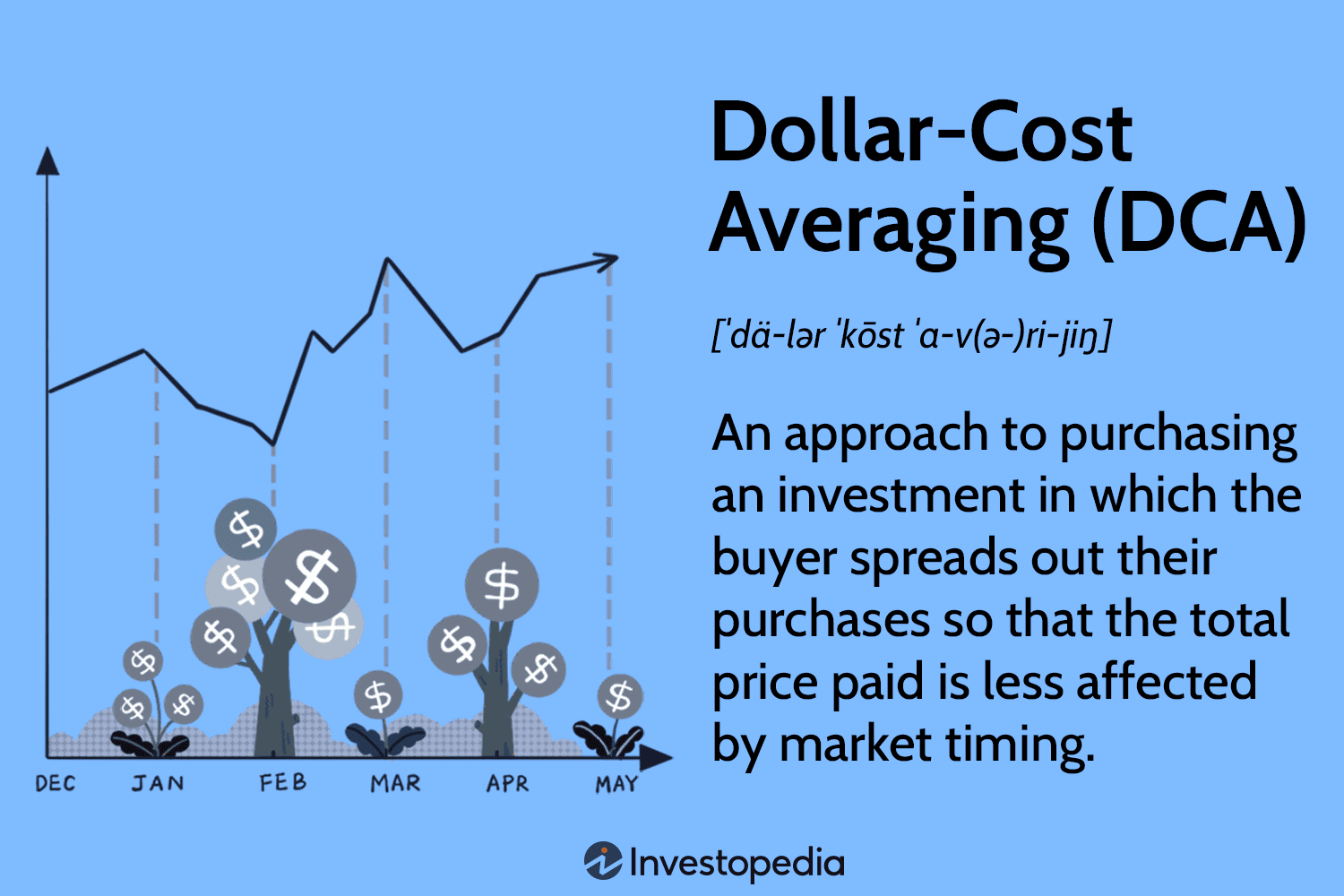
Dollar-Cost Averaging is an investment strategy that involves consistently investing a fixed amount of money into a particular asset at regular intervals, regardless of the asset’s price. This approach reduces the impact of market volatility and minimizes the risk of investing a large sum at an inopportune time. Here are some key aspects to understand:
| Key Aspect | Description |
|---|---|
| Principle | Invests a fixed amount regularly, regardless of price fluctuations. |
| Market Timing | Eliminates the need to try to time the market, which can be unpredictable. |
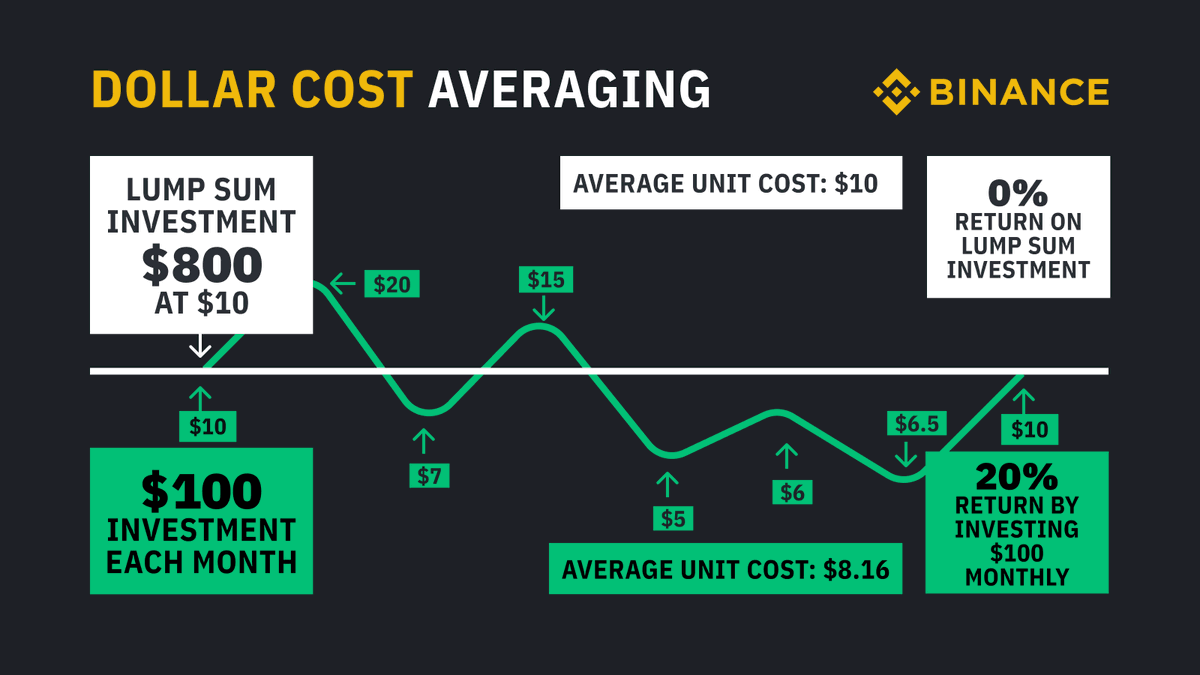
| Average Cost | Purchases more shares when prices are low and fewer when prices are high, averaging out costs. |
| Risk Mitigation | Reduces the likelihood of making emotional decisions based on market movements. |
By implementing Dollar-Cost Averaging, investors can adopt a disciplined approach, fostering long-term growth while alleviating the stress associated with market timing. This strategy is particularly advantageous for those new to investing, as it encourages a steady accumulation of assets over time.
The Benefits of Dollar-Cost Averaging
Dollar-Cost Averaging offers several advantages that can enhance your investment strategy. Here are some key benefits outlined in the table below:
| Benefit | Description |
|---|---|
| Reduces Impact of Volatility | Investing a fixed amount regularly minimizes the effects of market fluctuations on your portfolio. |
| Encourages Consistent Investing | By committing to a set investment schedule, you build the habit of regular saving and investing. |
| Limits Emotional Trading | This strategy helps prevent emotional decisions during market highs and lows, promoting rational investing. |
| Participation in Market Growth | Consistent investments mean you’ll likely buy more shares when prices are low and fewer when prices are high, capitalizing on market uptrends. |
| Simplicity and Convenience | It simplifies your investment approach, making it easier to manage and less daunting for beginner investors. |
By leveraging Dollar-Cost Averaging, investors can create a disciplined approach to growing their wealth over time while navigating market uncertainties. This method not only fosters consistency but also helps mitigate the emotional stress that often accompanies investing.
How to Implement Dollar-Cost Averaging
Implementing Dollar-Cost Averaging is straightforward, making it accessible for both novice and seasoned investors. To start, determine your budget: decide how much money you want to invest regularly. This could be weekly, monthly, or quarterly. Next, choose your investment—typically, this includes stocks, mutual funds, or ETFs.
It’s essential to set up automatic contributions to your chosen investment account. This approach not only streamlines the process but also ensures consistency. For example, if you allocate $500 monthly, you’ll steadily purchase shares over time, regardless of market fluctuations.
| Month | Investment Amount | Share Price | Shares Purchased |
|---|---|---|---|
| 1 | $500 | $50 | 10 |
| 2 | $500 | $25 | 20 |
| 3 | $500 | $100 | 5 |
| Total | $1500 | – | 35 |
This table illustrates that despite varying prices, the strategy allows you to buy more shares when prices are lower and fewer when they are higher, ultimately reducing the average cost per share. Regularly review your investments to ensure they align with your long-term goals and make adjustments if necessary, but avoid the temptation to time the market.
Common Mistakes to Avoid
When practicing Dollar-Cost Averaging, it’s crucial to steer clear of common pitfalls. Awareness of these mistakes can significantly enhance your investment experience. Here are some key errors to avoid:
| Mistake | Description |
|---|---|
| Inconsistent Contributions | Skipping periodic investments can undermine the strategy’s effectiveness. |
| Market Timing Attempts | Trying to time the market defeats the purpose of a steady approach. |
| Ignoring Expenses | High fees can eat into your returns, diminishing the benefits of your investments. |
| Lack of a Long-Term Perspective | Short-term fluctuations may discourage investors, but this strategy is about consistency. |
| Emotional Decision-Making | Letting emotions drive your investment choices can lead to poor outcomes. |
By avoiding these mistakes, you’ll be better equipped to benefit from the advantages that Dollar-Cost Averaging offers over time. Staying disciplined and focused on the long-term goals ensures a smoother investment journey.
When to Use Dollar-Cost Averaging
Knowing when to implement Dollar-Cost Averaging (DCA) can greatly enhance your investment strategy. Here are key scenarios to consider:
| Situation | Explanation |
|---|---|
| Market Volatility | Use DCA when markets experience fluctuations, reducing the impact of price swings on your investments. |
| Long-Term Goals | Ideal for individuals saving for retirement, buying a home, or funding education, as it allows you to build wealth gradually. |
| Limited Cash Flow | If you can only invest small amounts regularly, DCA helps you enter the market without overwhelming your budget. |
| Emotional Discipline | DCA minimizes impulsive buying or selling, promoting a consistent investing habit amidst market noise. |
| Market Timing Challenges | If you’re unsure of when to invest due to unpredictable market conditions, DCA provides a systematic approach to entering the market. |
By recognizing these situations, you can effectively integrate Dollar-Cost Averaging into your investment routine, ensuring a disciplined and strategic path to wealth accumulation.
Alternative Investment Strategies to Consider
While Dollar-Cost Averaging (DCA) is an effective investment strategy, exploring other options can enhance your portfolio’s performance. Here are a few alternatives to consider:
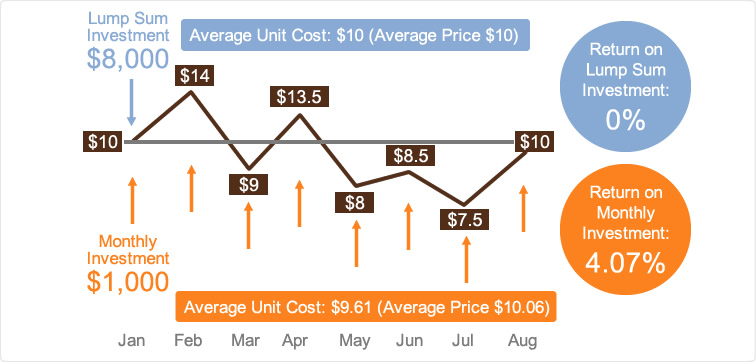
- Lump-Sum Investing: This approach involves investing a large sum of money at once. If the market is trending upward, this method can yield higher returns compared to DCA. However, it poses a greater risk if the market dips shortly after investment.
- Value Averaging: This strategy focuses on adjusting the investment amount based on market performance, increasing contributions when prices are low and decreasing them when prices are high. It’s more dynamic than DCA and requires closer monitoring.
- Index Fund Investing: With low fees and broad market exposure, this approach allows you to invest in a whole market index. It combines the benefits of diversification with a relatively passive investment strategy.
| Strategy | Risk Level | Potential Returns | Time Commitment |
|---|---|---|---|
| Dollar-Cost Averaging | Moderate | Average market returns | Low |
| Lump-Sum Investing | High | Possible high returns | Moderate to High |
| Value Averaging | Moderate to High | Variable returns | High |
| Index Fund Investing | Low | Average market returns | Low |
Each of these strategies has its pros and cons, making it important to align your choice with your individual financial goals and risk tolerance.
Frequently Asked Questions
What is Dollar-Cost Averaging (DCA)?
Dollar-Cost Averaging (DCA) is an investment strategy that involves consistently investing a fixed amount of money into a particular asset or portfolio, regardless of the asset’s price fluctuations over time. This approach reduces the impact of volatility by spreading out the investment over various market conditions. By buying more shares when prices are low and fewer shares when prices are high, investors can potentially lower their overall cost per share and mitigate the risks associated with market timing.
How do I implement a Dollar-Cost Averaging strategy?
To effectively implement a Dollar-Cost Averaging strategy, begin by selecting the investment vehicle or assets you wish to invest in, such as stocks, mutual funds, or cryptocurrencies. Next, determine a fixed amount that you are comfortable investing at regular intervals, such as weekly or monthly. Set up an automated investment plan through your brokerage account to facilitate your regular contributions, ensuring that you consistently buy into the asset irrespective of its price. This disciplined approach can help cultivate long-term wealth.
What are the advantages of Dollar-Cost Averaging?
One of the main advantages of Dollar-Cost Averaging is its ability to lower the average cost per share, particularly in volatile markets. This method also instills a sense of discipline, encouraging investors to stick to a predetermined investment schedule without being swayed by market emotions. Additionally, DCA aids in reducing the risk of investing a lump sum at an inopportune time, as well as allowing investors to gradually build wealth over time, creating a more consistent investment experience.
Is Dollar-Cost Averaging suitable for all investors?
While Dollar-Cost Averaging can be a beneficial strategy for many investors, it may not be suitable for everyone. It typically works best for individuals who prefer a long-term investment approach and have a steady cash flow to commit regularly. Investors seeking immediate returns or those dealing with more volatile markets may find DCA less effective. It’s essential for investors to assess their financial goals, investment style, and risk tolerance when considering DCA as a strategy.