Best Practices for Keeping Your Personal Financial Data Safe
In today’s digital age, safeguarding your personal financial data is more crucial than ever. With cyber threats lurking around every corner, understanding the potential risks to your finances is the first step toward protecting what you’ve worked so hard to earn. This blog post delves into the importance of Personal Financial Data Safety, highlights the top threats that could jeopardize your sensitive information, and offers effective strategies to ensure your financial security. Whether it’s through adopting the right technologies or following best practices for secure online banking, empowering yourself with the knowledge needed to navigate this landscape is essential for maintaining financial integrity.
Understanding the Importance of Personal Financial Data Safety
In today’s digital landscape, ensuring the protection of your financial information is critical. With the rise of online banking and transactions, the risks associated with data breaches and identity theft have escalated. Here’s why maintaining a high level of protection for your financial data is essential:
- Financial Loss: Neglecting safety measures can lead to significant monetary losses due to fraud or unauthorized transactions.
- Identity Theft: Your personal information can be exploited, leading to long-lasting damage to your credit and reputation.
- Emotional Stress: The anxiety of being a victim of financial crime can weigh heavily on individuals and families.
- Legal Consequences: Failing to safeguard sensitive information may also result in legal liabilities or fines.
| Importance | Description |
|---|---|
| Financial Security | Protects against unauthorized access and theft. |
| Peace of Mind | Reduces anxiety associated with potential fraud. |
| Data Privacy | Ensures your personal data is kept confidential. |
By prioritizing Personal Financial Data Safety, you’re taking proactive steps to create a secure financial environment for yourself. This commitment not only secures your assets but also fosters trust with financial institutions.
Top Threats to Your Personal Financial Data
Protecting your financial information requires awareness of the top threats lurking in the digital world. “Understanding these threats is the first step towards safeguarding your assets.” Below is a summary of the primary dangers to watch out for:
| Threat Type | Description |
|---|---|
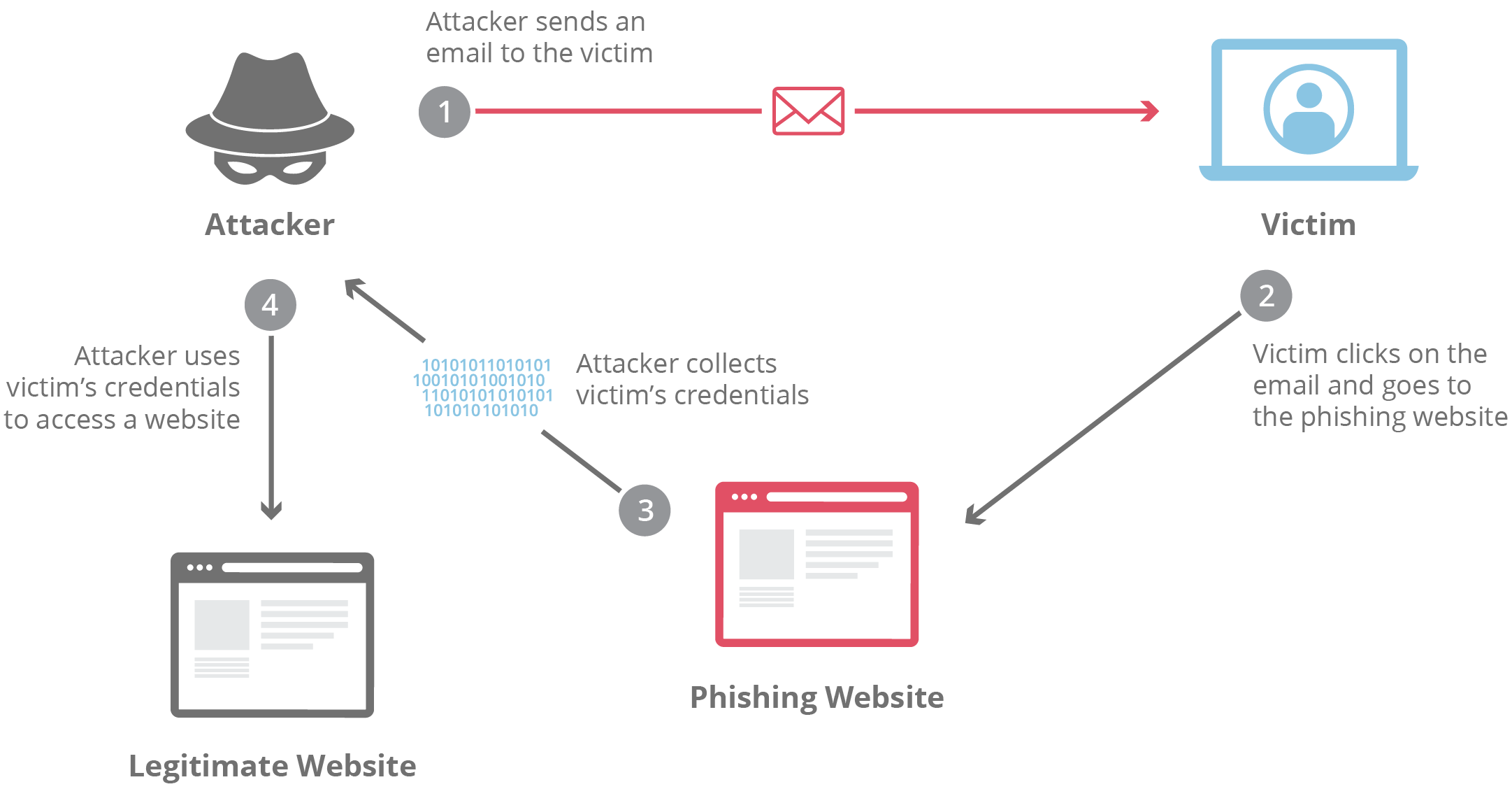
| Phishing Attacks | Deceptive emails or websites trick you into revealing details. |
| Malware | Malicious software can steal personal and financial information. |
| Data Breaches | Unauthorized access to company databases exposing your information. |
| Identity Theft | Fraudsters use stolen information to impersonate you and commit crimes. |
| Wi-Fi Eavesdropping | Insecure networks allow hackers to intercept financial transactions. |
Being vigilant against these threats can significantly enhance your Personal Financial Data Safety. Always incorporate updated security measures to stay one step ahead of cybercriminals.
Effective Strategies for Protecting Your Financial Information
Protecting your financial information is crucial in today’s digital age. Implementing effective strategies can significantly enhance your Personal Financial Data Safety. Here are some essential practices:
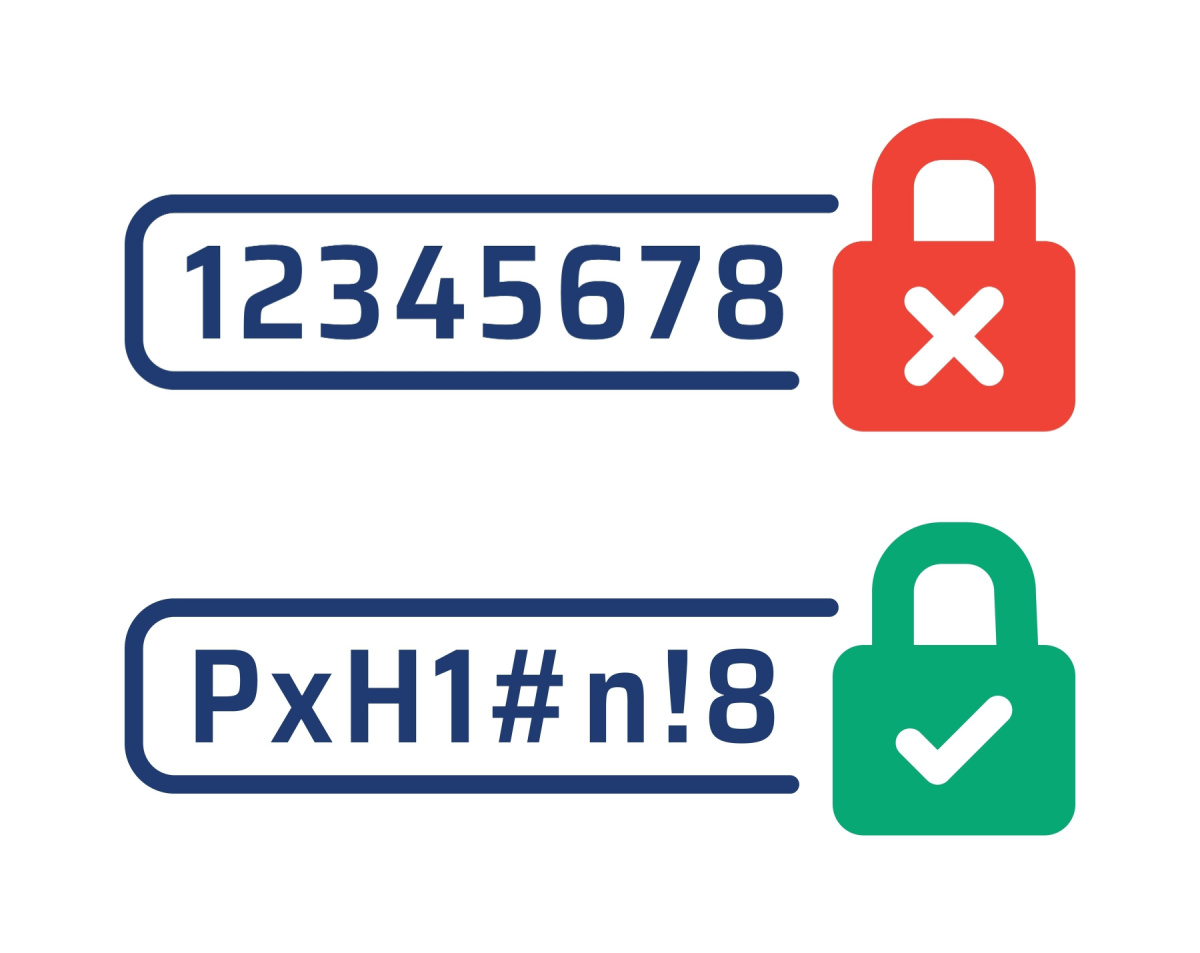
1. Strong Passwords: Use complex passwords that include uppercase and lowercase letters, numbers, and symbols. Avoid using easily accessible information like birthdays. Utilizing a password manager can help you maintain unique passwords for different accounts.
2. Two-Factor Authentication (2FA): Enable 2FA on your financial accounts. This layer of security often involves a text message or authentication app that provides a second code, making unauthorized access much harder.
3. Regular Monitoring: Frequently check your bank and credit card statements for any suspicious activity. Immediate reporting of unknown transactions can help mitigate potential losses.
4. Secure Devices: Always keep your devices protected with antivirus software and maintain regular updates. A secure device is less vulnerable to breaches that could compromise your financial data.
5. Phishing Awareness: Be cautious of emails or messages that ask for personal information. Verify the sender’s identity before clicking on links or providing sensitive data.
By adopting these strategies, you can significantly enhance your Personal Financial Data Safety and protect your hard-earned resources effectively.
The Role of Technology in Safeguarding Financial Data
“In the digital age, safeguarding your financial data is paramount; technology serves as your first line of defense.”
Utilizing advanced technology significantly enhances Personal Financial Data Safety. Here’s how:
- Encryption: Protects sensitive information by converting data into a code, ensuring only intended recipients can access the information.
- Two-Factor Authentication (2FA): An extra layer of security, prompting users to verify their identity through another device or method before granting access.
- Firewalls: Acts as a barrier between your network and potential threats, monitoring in and out traffic to prevent unauthorized access.
| Technology | Function | Benefit |
|---|---|---|
| Encryption | Secures data at rest and in transit | Prevents data breaches |
| Two-Factor Authentication | Verifies user identity | Reduces risk of unauthorized access |
| Firewalls | Filters data between networks | Protects against external attacks |
By mastering these technologies, users can create a robust defense mechanism against financial data breaches. Embracing this technological evolution is crucial for ensuring your financial information remains secure.
Best Practices for Secure Online Banking and Transactions
Ensuring the Personal Financial Data Safety of your online banking activities is crucial. Here are some effective practices to protect your financial transactions:
| Best Practice | Description |
|---|---|
| Use Strong Passwords | Create complex passwords combining letters, numbers, and symbols. Change them regularly. |
| Enable Two-Factor Authentication | Add an extra layer of security, requiring both your password and a verification code sent to your phone. |
| Monitor Your Accounts Regularly | Frequently check bank statements and transactions for any unauthorized activity. |
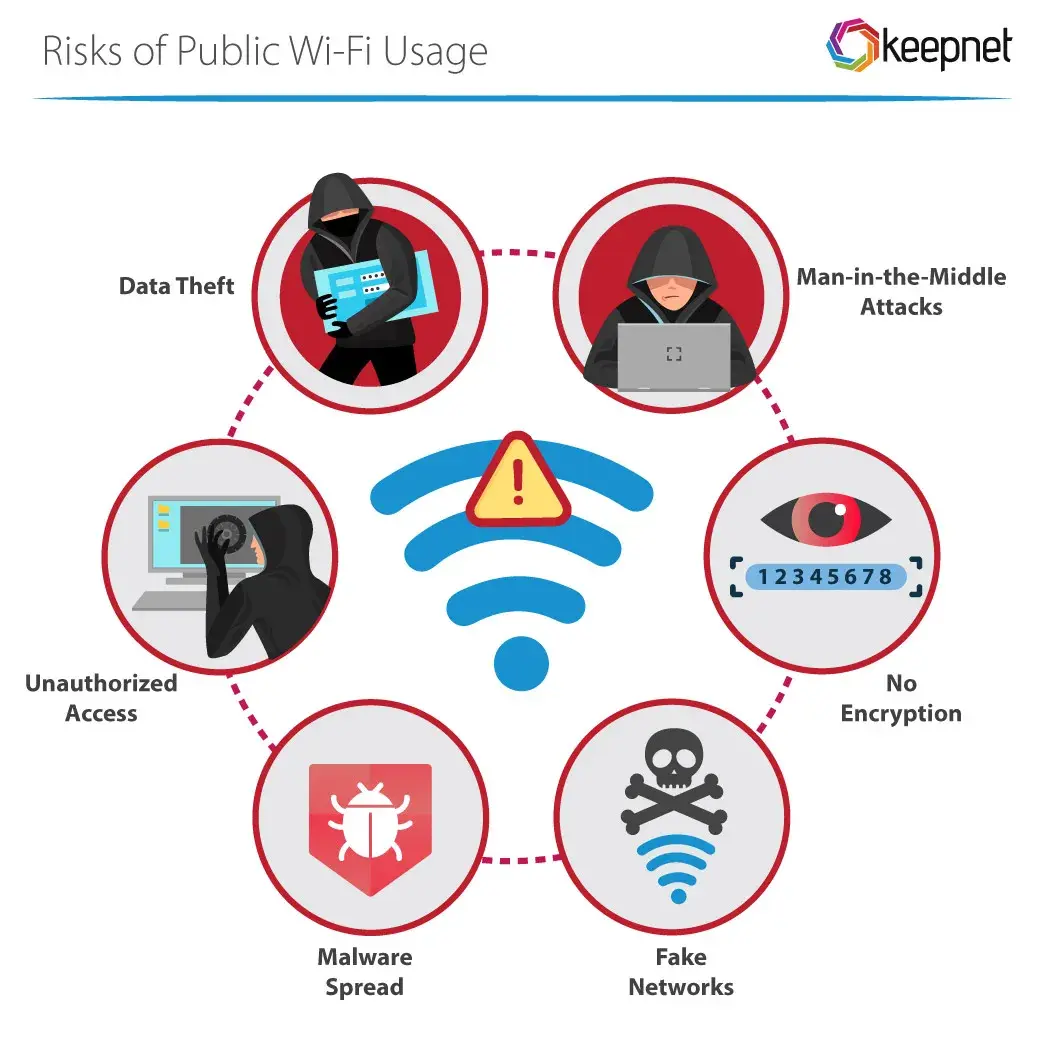
| Avoid Public Wi-Fi | Refrain from accessing your bank accounts on unsecured networks to mitigate hacking risks. |
| Keep Software Up-to-Date | Regularly update your operating system, browser, and antivirus software to protect against vulnerabilities. |
By following these best practices, you will significantly enhance your protection and ensure your Personal Financial Data Safety remains intact during online banking and transactions.
Frequently Asked Questions
What are the most effective methods for securing my personal financial data?
To effectively secure your personal financial data, it’s crucial to follow a combination of best practices. Start by using strong and unique passwords for each of your financial accounts, and consider employing a password manager to help you manage them. Enable two-factor authentication wherever possible to add an extra layer of security. Regularly monitor your accounts for any unauthorized transactions and keep your software, including antivirus and anti-malware, up to date to protect against cyber threats.
How can I recognize phishing attempts targeting my financial information?
Recognizing phishing attempts is key to protecting your financial information. Be cautious of emails or messages that urge you to click on links or provide personal information. Look for signs such as spelling and grammar errors, generic greetings instead of personalized ones, and suspicious sender addresses. Legitimate organizations will usually address you by name and avoid asking for sensitive information via email. If unsure, verify by contacting the organization directly through their official website or customer service.
What steps can I take if I suspect my financial data has been compromised?
If you suspect that your financial data has been compromised, act quickly to mitigate potential damage. Start by changing your passwords immediately and enable two-factor authentication for added security. Contact your bank and credit card companies to alert them and monitor transactions for suspicious activity. You may also consider placing a fraud alert on your credit report with the major credit bureaus, which can make it harder for identity thieves to open accounts in your name. Additionally, keep a detailed record of all communications regarding the incident.
Is it safe to use public Wi-Fi for online banking?
Using public Wi-Fi for online banking is generally discouraged due to security risks. Public networks can often be unsecured, making it easier for cybercriminals to intercept your data. If you must use public Wi-Fi, ensure that you access your bank’s website only via a secure connection (look for HTTPS in the URL) and use a reliable virtual private network (VPN) to encrypt your data. However, the safest option is to conduct financial transactions over a private, secure connection whenever possible.