What to Do If Your Bank Account Gets Hacked
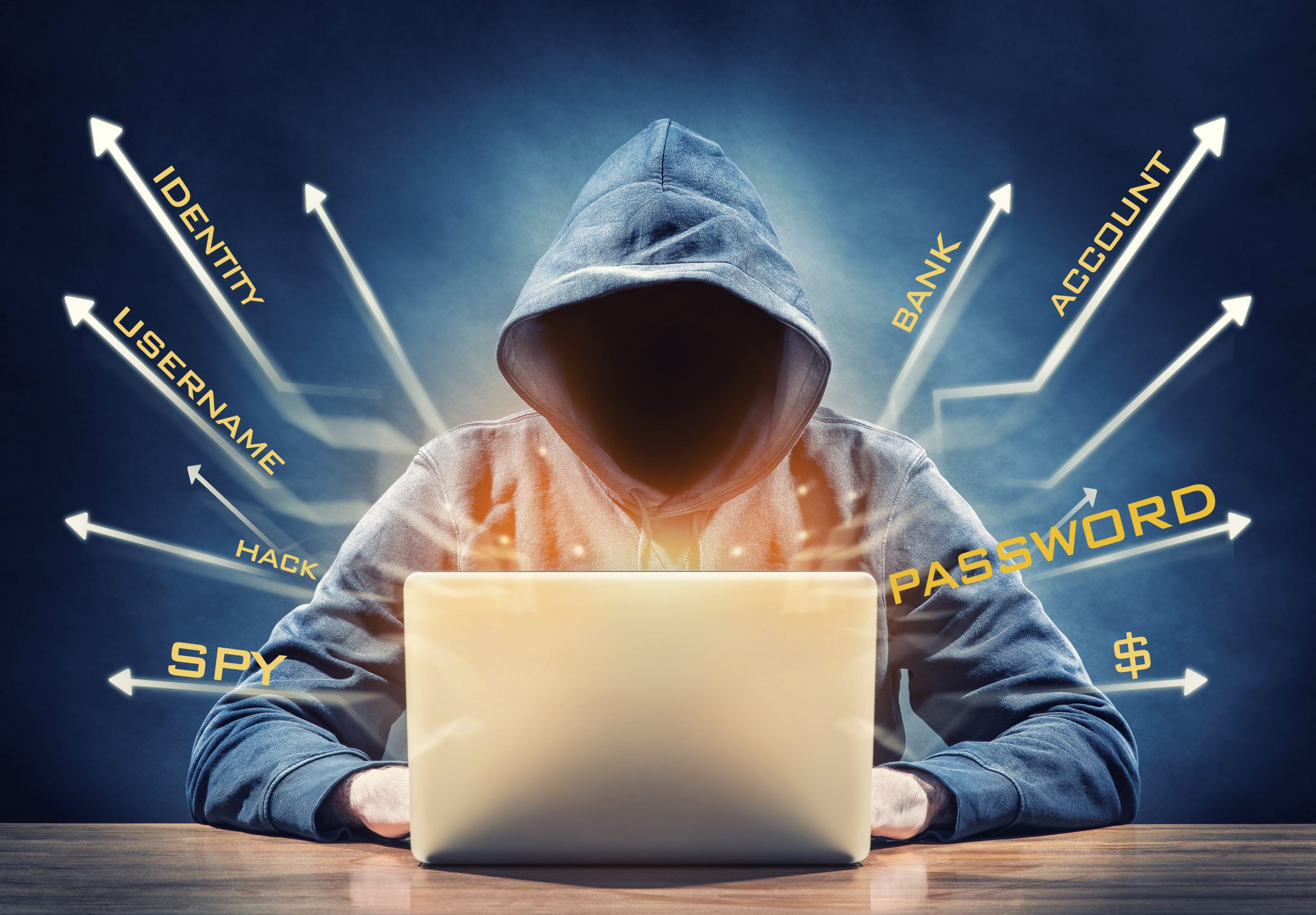
In today’s digital age, the security of our finances is more crucial than ever, yet many individuals remain unaware of the warning signs that indicate a breach in their banking security. Bank Account Hacking can happen to anyone, often leaving victims feeling vulnerable and exposed. If you suspect that your bank account has been compromised, it’s vital to act swiftly to mitigate potential losses and protect your personal information. In this comprehensive guide, we will outline not only how to recognize the signs of account hacking but also the immediate steps you should take, preventative measures for the future, and how to bolster your security post-incident. Prepare to empower yourself with the knowledge needed to navigate this alarming scenario.
Recognizing the Signs of Bank Account Hacking
Detecting suspicious activities in your bank account is crucial for early intervention. Here are some common red flags to watch for:
- Unexplained Transactions: Look out for unauthorized purchases or withdrawals that you didn’t make.
- Account Alerts: Pay attention to notifications about changes in your account, such as password resets or new logging locations.
- Pending Charges: Watch for transactions that appear in your history but are awaiting confirmation.
- Negative Balance: An unexpected drop in your account balance might indicate illicit activities.
- Login Issues: If you are unable to log in to your online banking account due to password errors, it may be a sign of unauthorized access.
| Sign | Description |
|---|---|
| Unexplained Transactions | Unauthorized purchases that you did not make. |
| Account Alerts | Notifications of changes to your account. |
| Pending Charges | Suspicious transactions awaiting confirmation. |
| Negative Balance | An unanticipated drop in your account balance. |
| Login Issues | Difficulty accessing your account. |
By being proactive and vigilant, you can better protect yourself against the consequences of a potential breach.
Immediate Steps to Take If Your Bank Account Gets Hacked
“Act swiftly and decisively to mitigate damages.”
If you suspect Bank Account Hacking, it’s crucial to act immediately. Follow these steps to safeguard your finances:
| Action | Description |
|---|---|
| Freeze Your Account | Contact your bank to freeze your account and prevent unauthorized transactions. |
| Change Your Passwords | Update your online banking password and any other associated login details. |
| Monitor Transactions | Review your recent bank statements for fraudulent activities. Report them immediately. |
| Notify Your Bank | Inform your bank of the hacking incident to initiate any necessary investigations. |
| Enable Two-Factor Authentication (2FA) | Activate 2FA on your account for an additional layer of security. |
Time is of the essence. By taking these immediate steps, you can minimize the potential impact of Bank Account Hacking on your financial security and peace of mind.
Preventing Future Incidents of Bank Account Hacking
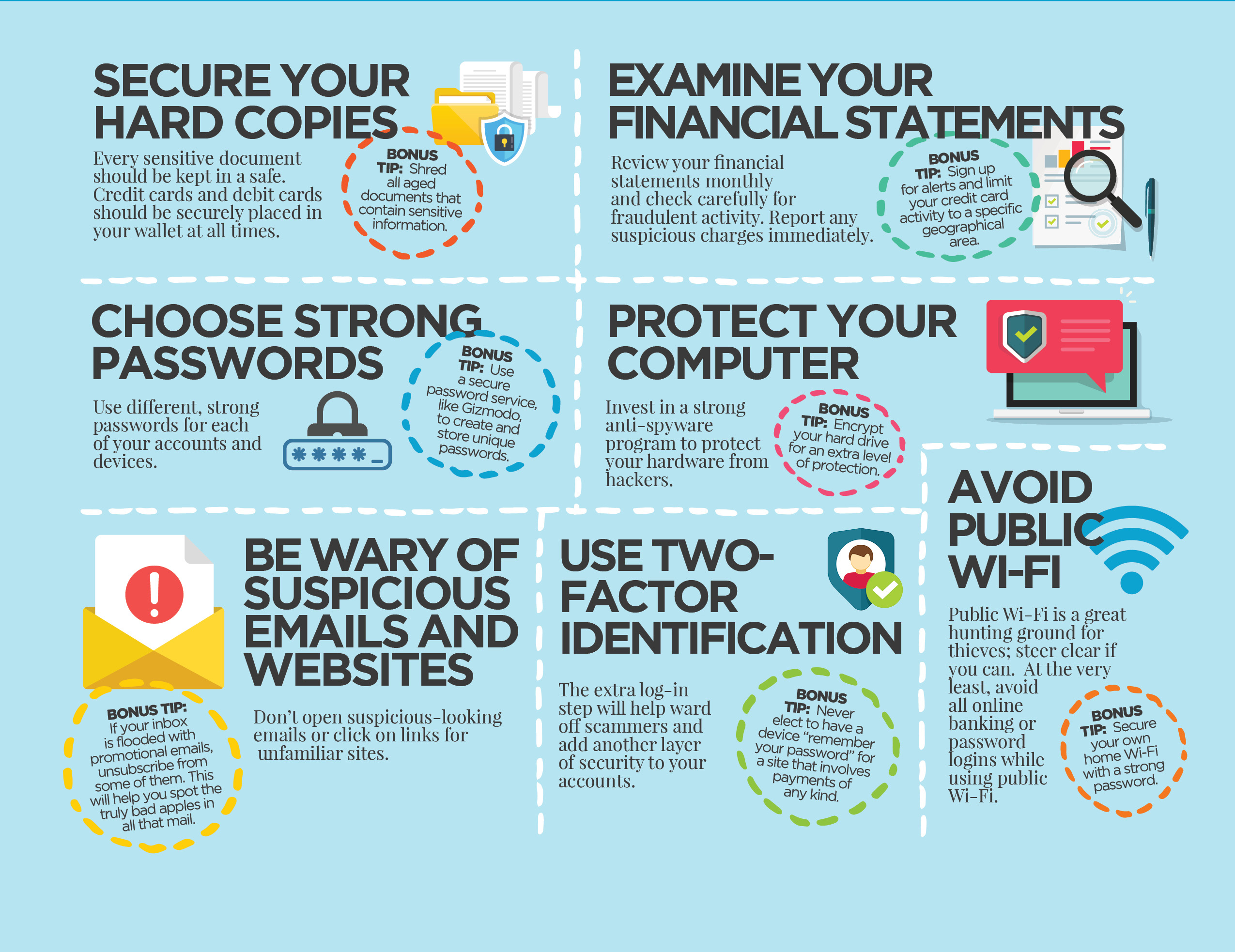
To safeguard your finances, it’s essential to adopt proactive measures. Use strong passwords that include a mix of letters, numbers, and symbols. Regularly update these passwords and avoid using the same one across multiple accounts. Additionally, enable two-factor authentication whenever possible; this adds another layer of protection that significantly reduces the risk of unauthorized access.
It’s also wise to monitor your bank statements continuously for any unusual transactions. Implementing alerts for account activity can help detect potential fraud early. Lastly, keep your devices secure by using antivirus software and regularly updating your operating systems to protect against vulnerabilities.
| Prevention Method | Effectiveness |
|---|---|
| Strong Password Creation | High |
| Two-Factor Authentication | Very High |
| Monitoring Bank Statements | Moderate to High |
| Keeping Software Updated | High |
Following these strategies can minimize your chances of experiencing unwanted financial distress. Stay informed and proactive to maintain robust financial security.
Reporting Bank Account Hacking to Authorities
If you suspect that someone has gained unauthorized access to your finances, it’s crucial to report the incident promptly. “Acting swiftly can minimize financial loss and help in recovering your stolen funds.” Here’s how to navigate the reporting process effectively:
- Contact Your Bank: Immediately inform your bank about the suspected hacking. They may freeze your account and initiate an investigation.
- File a Complaint with the FTC: Visit the Federal Trade Commission website to report identity theft. This documentation can be vital for any further actions.
- Notify Local Law Enforcement: Providing a police report can strengthen your case and assist your bank in recovering funds.
| Action | Details |
|---|---|
| Contact Your Bank | Report unauthorized transactions; freeze your account. |
| File a Complaint with the FTC | Document the incident and get a reference number. |
| Notify Local Law Enforcement | Provide detailed information for the police report. |
Additionally, consider keeping a personal record of all communications and actions taken. This can serve as a reference if further issues arise later. Prompt action and thorough reporting can significantly mitigate the impact of financial fraud.
How to Secure Your Bank Account After a Hacking Incident
Following a Bank Account Hacking incident, it’s crucial to take action to protect your finances. Here are some effective strategies to enhance your account security:
| Strategy | Description |
|---|---|
| Change Your Password | Update your password immediately to something strong and unique. |
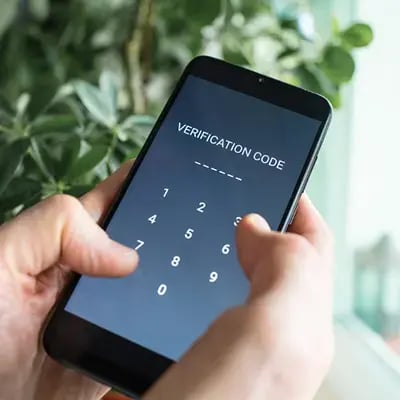
| Enable Two-Factor Authentication | Add an extra layer of security by requiring a second form of verification. |
| Monitor Account Activity | Regularly check your transactions for any unauthorized activities. |
| Notify Your Bank | Inform your bank of the incident so they can assist and monitor your account. |
| Update Security Questions | Change your security questions to ensure they are not easily guessed. |
Implementing these measures can significantly reduce the likelihood of further unauthorized access to your bank account. Being proactive is key to regaining your financial security and peace of mind after a Bank Account Hacking incident.
Frequently Asked Questions
What are the first steps I should take if I suspect my bank account has been hacked?
If you suspect your bank account has been hacked, the first step is to immediately contact your bank and report the issue. They can help you secure your account and potentially freeze it to prevent any unauthorized transactions. Additionally, change your online banking password and security questions as soon as possible. Monitor your account for any unfamiliar transactions and make sure to document all communications with your bank for future reference.
How can I tell if my bank account has been compromised?
Signs that your bank account may have been compromised include unauthorized transactions, withdrawal alerts that you didn’t initiate, or issues accessing your online banking account. If you notice any strange behavior or activity, such as transactions that you did not make or your balance not matching your records, it’s essential to investigate further and contact your bank immediately.
What actions can I take to prevent my bank account from being hacked in the future?
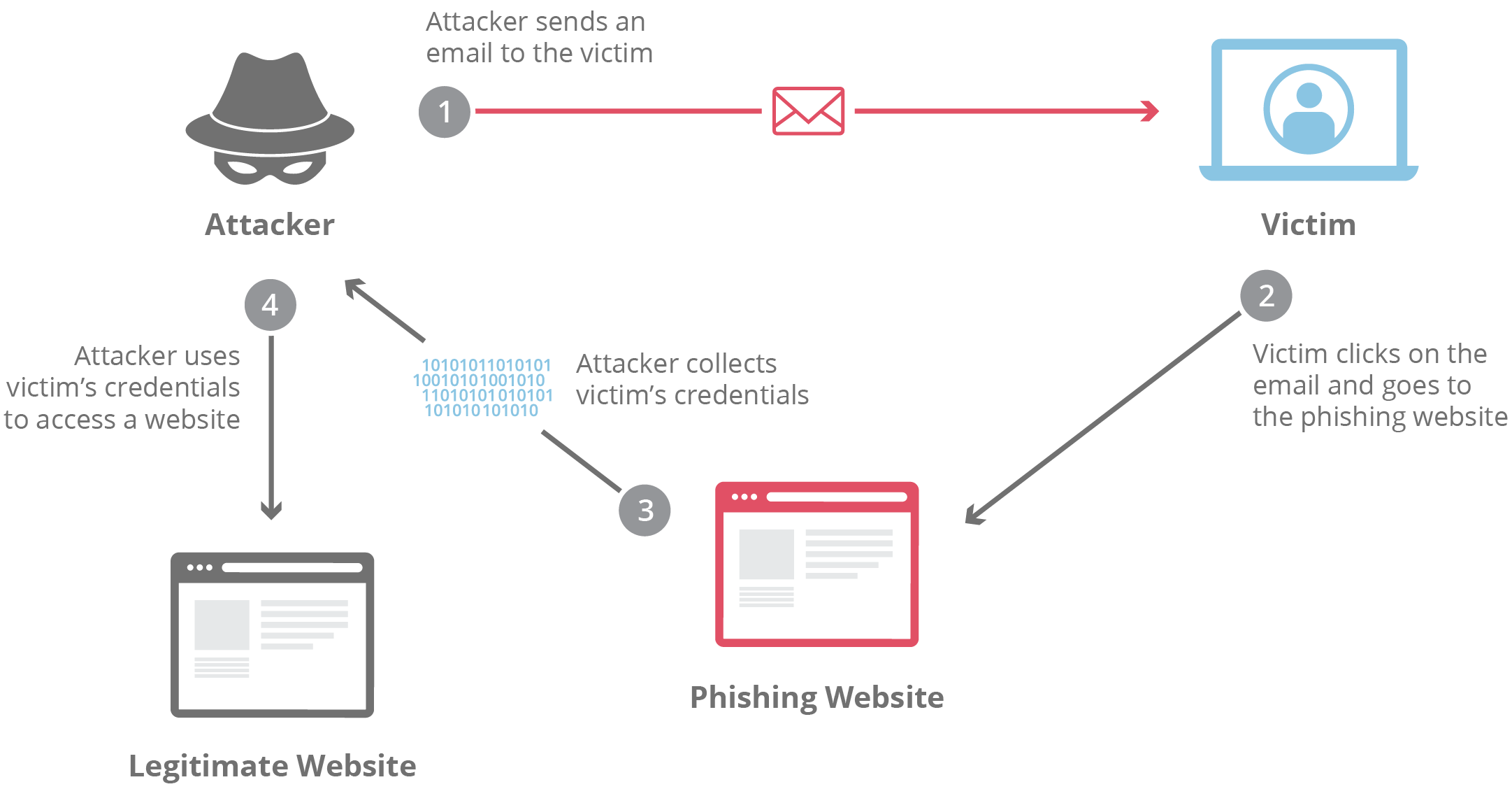
To prevent hacking, always use strong, unique passwords for your online banking accounts and enable two-factor authentication whenever possible. Regularly monitor your bank statements for any suspicious activity, and avoid using public Wi-Fi networks for banking transactions. Additionally, be cautious about phishing schemes, and do not click on unknown links or give personal information over the phone unless you can verify the identity of the requester.
Will I be liable for unauthorized transactions if my account gets hacked?
Liability for unauthorized transactions varies by bank and jurisdiction, but in many cases, if you report the fraud promptly, you may not be liable for most or all of the unauthorized charges. The Electronic Fund Transfer Act (EFTA) often limits consumer liability for unauthorized transactions made from a bank account, provided that the account holder reports the fraud within a specified timeframe—usually within two days of noticing the transactions.