How to Avoid Fake Investment Platforms and Ponzi Schemes

In today’s digital age, the allure of attractive investment opportunities often comes with hidden dangers, making it increasingly essential to navigate the financial landscape with caution. The rise of Fake Investment Platforms and Ponzi schemes targets unsuspecting investors, promising high returns with minimal risk, which can lead to devastating financial losses. As you embark on your investment journey, understanding how to identify these fraudulent schemes is crucial. This guide will delve into the red flags of Ponzi schemes, effective research techniques to vet investment opportunities, and strategies for safeguarding your hard-earned money. Additionally, we’ll address the essential steps to take if you ever find yourself entangled in a scam, ensuring you have the knowledge to protect your financial future.
Understanding Fake Investment Platforms
Navigating the world of investments can be challenging, especially with the proliferation of fraudulent schemes. Understanding the characteristics of these deceptive platforms is crucial for safeguarding your finances. Here are some key points to consider:
- Lack of Regulation: Genuine investment platforms are usually registered with regulatory bodies. Always verify their licensing.
- Unrealistic Promises: If it sounds too good to be true, it probably is. High returns with low risk should raise red flags.
- Poor Online Presence: Authentic platforms maintain a professional website and are transparent about their operations. Watch out for those lacking contact details and customer support.
- Pressure Tactics: High-pressure sales tactics are common among scammers. Legitimate investments allow you to take your time and research.
| Red Flags to Watch For | Description |
|---|---|
| No Customer Reviews | Lack of feedback indicates possible deception. |
| Unusual Payment Methods | Be wary of platforms that require payment through untraceable methods. |
| Obscure Company Information | Legitimate firms provide clear information about their operations and team. |
| Limited Access to Information | Fraudulent platforms often hide key details about their services. |
By staying informed and vigilant, you can better protect yourself from falling victim to these fraudulent investment schemes.
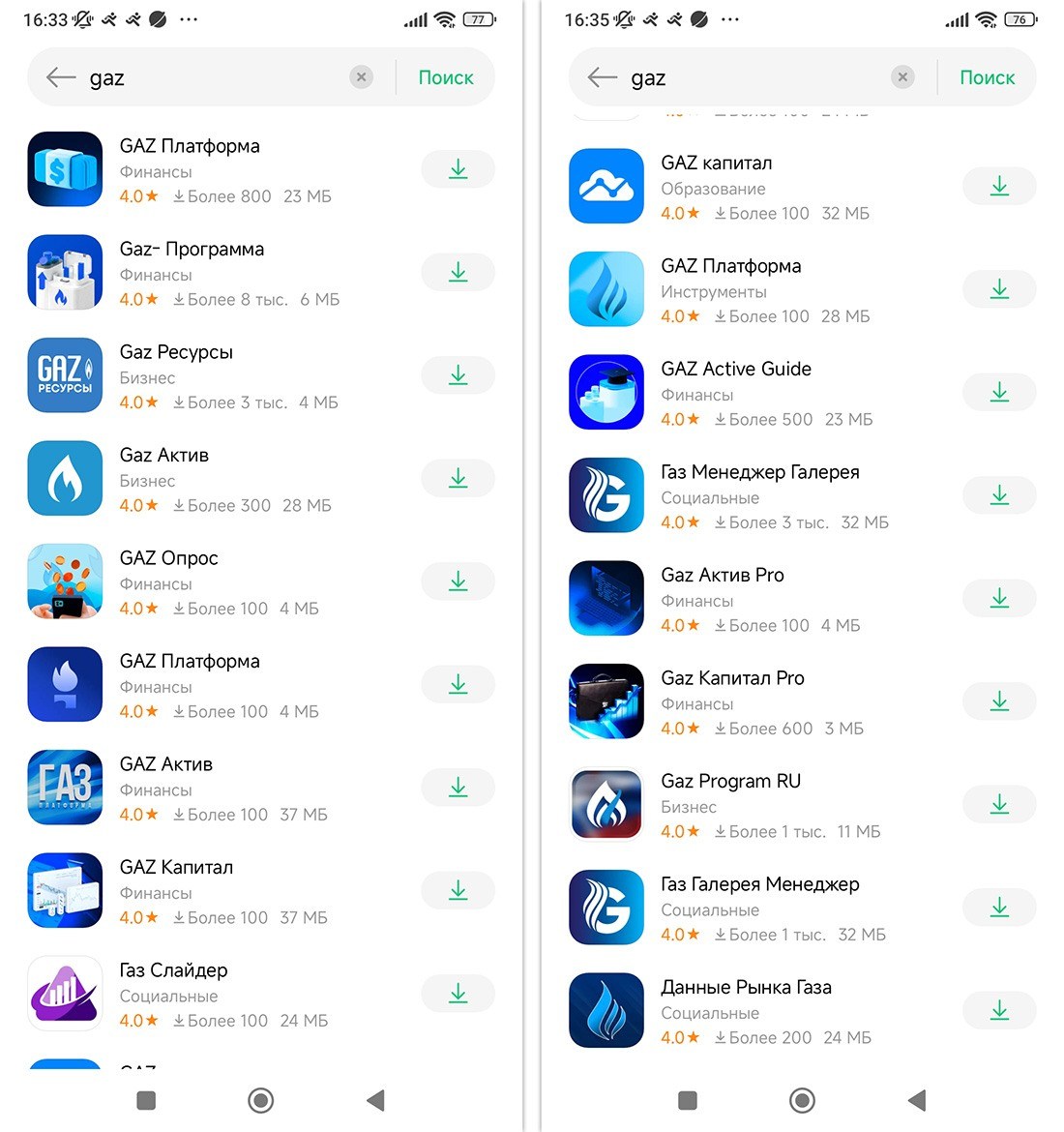
Signs of Ponzi Schemes
Recognizing the signs of Ponzi schemes is crucial for safeguarding your financial future. As one investor wisely stated, “If it sounds too good to be true, it probably is.”
Here are key indicators to watch out for:
| Signs | Description |
|---|---|
| High Returns with Low Risk | Promises of guaranteed high returns without significant risk. |
| Unlicensed Entities | Operations run by individuals or organizations without proper licensing. |
| Opaque Financials | Lack of clear information about how funds are managed and generated. |
| Difficulty in Withdrawals | Complicated processes or delays when attempting to access your funds. |
| Reputation Issues | Negative reviews or news articles highlighting fraudulent activities. |
Being aware of these fake investment platforms allows you to ask the right questions and conduct thorough research before making any financial commitments. Always approach any investment opportunity with caution and due diligence.
How to Research Investment Opportunities
When considering investment opportunities, thorough research is essential. Start by verifying the legitimacy of the platform. Check for registration with regulatory bodies such as the SEC or FCA. This ensures that the investment platform complies with legal standards. Also, scrutinize any claimed returns on investment; if they seem too good to be true, they probably are.
Next, leverage financial news sites and reviews to gather insights. Read about the experiences of other investors and always be wary of platforms with numerous negative reviews. Additionally, employ a comparison table to analyze key features:
| Feature | Legitimate Platforms | Fake Investment Platforms |
|---|---|---|
| Regulation Status | Registered with authorities | Unregistered or no clear regulations |
| Customer Support | Accessible and responsive | Poor or non-existent support |
| Transparency | Clear information on fees and risks | Hidden fees and vague information |
| Investment Strategy | Well-defined and realistic | Overly complex or undefined strategy |
Utilizing these strategies can significantly enhance your ability to identify trustworthy investment opportunities and, importantly, steer you clear of fake investment platforms.
Protecting Your Investments
“Wise investments require vigilance to ensure that your hard-earned money doesn’t fall into the hands of unscrupulous entities.”
To safeguard your financial assets, consider these proactive strategies:
- Diversify Your Portfolio: Investing in various assets helps mitigate risks. Spread your investments across stocks, bonds, and real estate.
- Stay Informed: Regularly educate yourself about market trends and investment strategies. Knowledge is your best defense.
- Use Reputable Platforms: Stick to well-known, regulated platforms. Verify their credibility and read reviews to ensure they aren’t Fake Investment Platforms.
- Implement Risk Management: Set limits on how much you’re willing to invest in high-risk ventures to avoid significant losses.
Here’s a quick reference table:
| Strategy | Description |
|---|---|
| Diversification | Spreading funds across various assets |
| Continuous Learning | Keeping up-to-date with market developments |
| Platform Verification | Using trustworthy investment platforms |
| Risk Limits | Establishing boundaries for high-risk investments |
By taking these steps, you can create a solid foundation for protecting your investments and minimizing your risk of falling victim to scams.
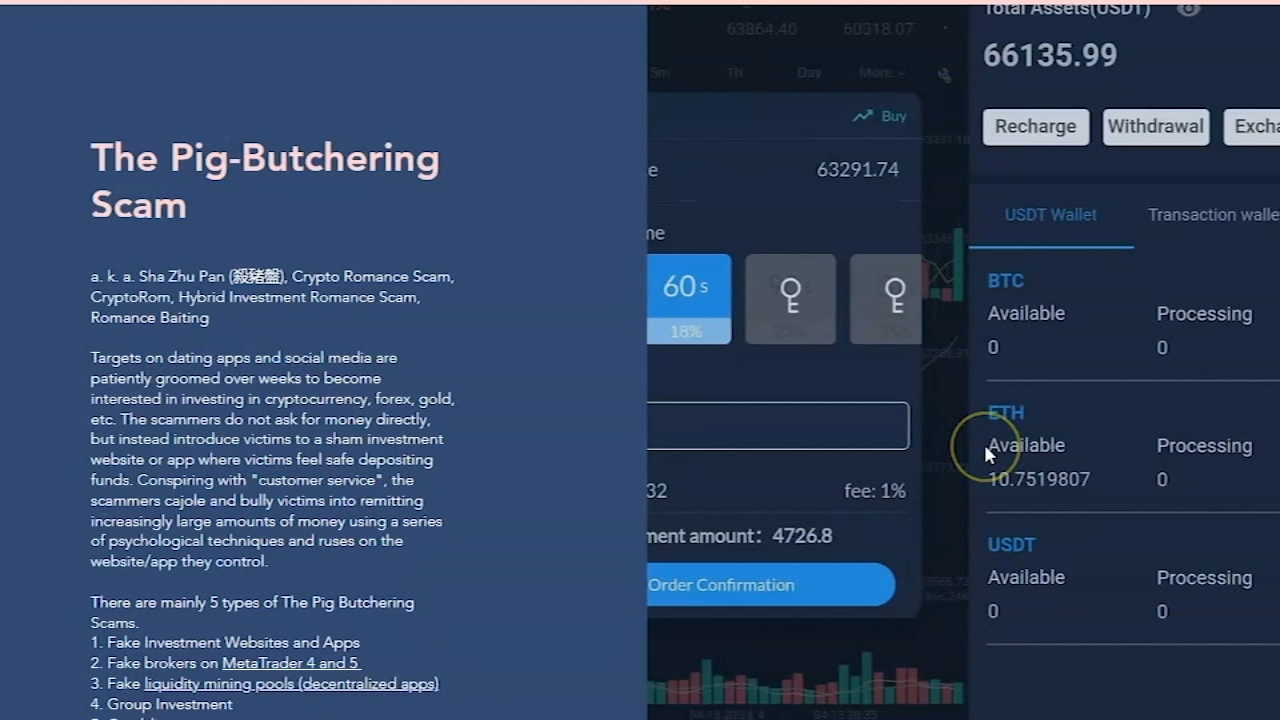
What to Do if You Encounter a Scam
Encountering a scam can be distressing, but swift action is essential. Follow these steps to safeguard yourself:
1. Cease Communication: Immediately stop all interactions with the suspected scammer. This limits potential losses.
2. Document Everything: Keep records of all communications. This includes emails, messages, and transaction details, which can be crucial for investigations.
3. Report the Scam: Notify relevant authorities, such as the Federal Trade Commission (FTC) or your local consumer protection agency. Reporting helps others avoid falling victim.
4. Inform Your Bank: If you’ve shared sensitive financial information, contact your bank right away to secure your accounts.
5. Monitor Your Accounts: Continually check your finances for unauthorized transactions. Quick detection can prevent further losses.
Here’s a simple reference table for your next steps:
| Step | Action |
|---|---|
| Stop Communication | Halting contact with the scammer |
| Documentation | Recording all communications |
| Reporting | Contacting authorities to report the scam |
| Bank Notification | Informing your bank of potential fraud |
| Account Monitoring | Regularly checking for unauthorized activity |
Taking these actions promptly can minimize damage and help you regain control after facing fake investment platforms.
Frequently Asked Questions
What are some signs of a fake investment platform?
Identifying a fake investment platform can save you from losing significant amounts of money. Look for red flags such as promises of guaranteed high returns with little to no risk, aggressive marketing tactics, or unsolicited offers. Additionally, if the platform lacks proper licensing and registration with regulatory authorities, like the SEC or FCA, this is a strong warning sign. Always verify background information about the company and its management team.
How can I verify if an investment platform is legitimate?
To check the legitimacy of an investment platform, you should conduct thorough research. Start by visiting the regulatory bodies in your region, such as the SEC in the United States or the FCA in the UK, to see if the platform is registered and complies with regulations. Look for reviews and testimonials from other investors, as well as any legal issues that the platform may have faced. A professional website with detailed contact information, customer support, and transparency in fees can also indicate legitimacy.
What should I do if I suspect I’ve invested in a Ponzi scheme?
If you suspect that you have fallen victim to a Ponzi scheme, it is crucial to act immediately. Document all communications and transactions related to your investment. Next, report it to your local authorities or financial regulators who can investigate the matter further. Additionally, consider consulting a financial advisor or lawyer for guidance on how to recover your funds. Remember, acting quickly can help limit your losses.
Are there any resources available to help educate investors about fraudulent schemes?
Yes, there are numerous resources available to help investors recognize and avoid fraudulent schemes. Websites from government agencies like the SEC and the FTC offer extensive information on investment fraud and how to protect yourself. You can also find educational materials from non-profit organizations focused on financial literacy, such as the Financial Industry Regulatory Authority (FINRA). Many online courses and webinars further cover necessary skills and knowledge about identifying scams and making informed investment decisions.