Best Risk Management Tools for Smarter Investing Decisions
Investing can be a rewarding endeavor, but it comes with its fair share of uncertainties and risks. Understanding how to navigate these challenges is crucial for making informed decisions that align with your financial goals. This is where risk management tools come into play, offering investors the necessary insights and safeguards to minimize potential losses while maximizing gains. In this post, we’ll explore the importance of effective risk management, key features to consider when selecting the right tools, and a comparative analysis of the most popular options available. Additionally, we’ll discuss how to seamlessly incorporate these tools into your investment strategy, empowering you to make smarter, more confident investment choices.
Understanding the Importance of Risk Management Tools in Investing
In the unpredictable world of investing, understanding risk is crucial. Here’s why integrating effective strategies is paramount:
- Informed Decision-Making: Utilizing metrics and analytics allows investors to make educated decisions rather than relying on gut feelings.
- Minimizing Losses: Sophisticated systems help identify potential pitfalls before they lead to significant financial setbacks.
- Portfolio Diversification: These systems enable the assessment of assets, promoting effective asset allocation and diversification strategies to mitigate risks.
- Emotional Discipline: By relying on quantitative data, investors are less likely to be swayed by emotions during volatile market conditions.
| Key Benefit | Description |
|---|---|
| Informed Decision-Making | Makes analytical insights accessible for better choices |
| Minimizing Losses | Early identification of risks to protect investments |
| Portfolio Diversification | Assists in spreading risk through strategic asset allocation |
| Emotional Discipline | Promotes logic-driven choices over emotional reactions |
Overall, these tools serve as vital navigational aids, steering your investments towards greater stability and potential success.
Top Features to Look for in Risk Management Tools
When selecting effective solutions to safeguard your investments, keep an eye on specific features that enhance decision-making. Here are key features to consider when evaluating various options:
| Feature | Description |
|---|---|
| User-Friendly Interface | An intuitive design simplifies navigation and increases efficiency. |
| Real-Time Data Analysis | Access to up-to-date market data helps you make quick decisions. |
| Customizable Alerts | Personalized notifications keep you informed on critical thresholds. |
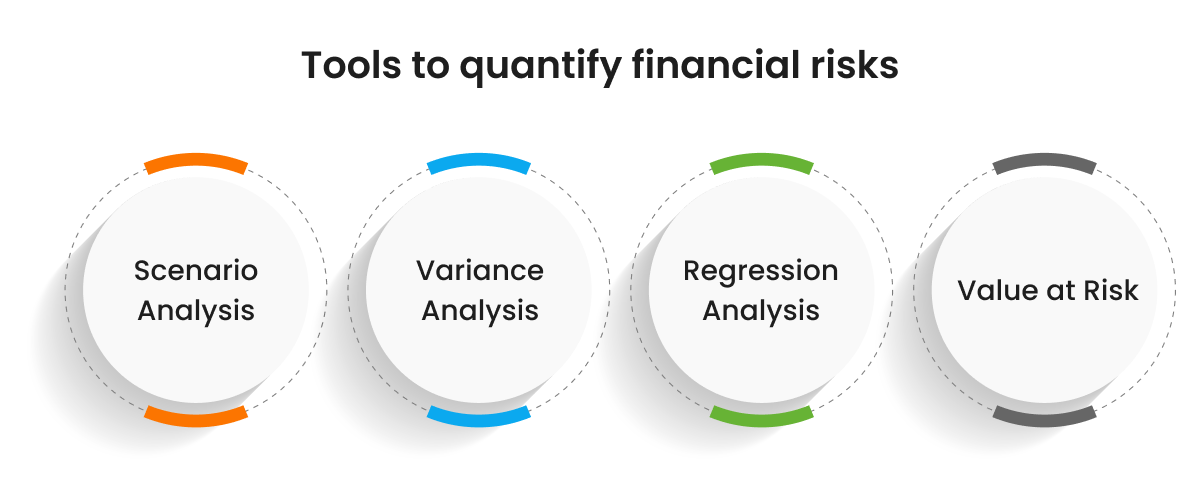
| Scenario Analysis | The ability to test how different strategies perform under various market conditions enhances strategic planning. |
| Portfolio Diversification Tools | Features that assist in balancing your portfolio across diverse assets mitigate overall risk. |
These essential aspects not only improve user experience but also enable smarter investment choices. By prioritizing such characteristics, you can significantly enhance your investment decision-making process.
Popular Risk Management Tools for Investors
Investors today have access to a variety of risk management tools designed to enhance decision-making and safeguard portfolios. Here are some popular options:
| Tool Name | Key Feature | Best For |
|---|---|---|
| Portfolio Visualizer | Historical performance analysis | Detailed analysis |
| Riskalyze | Expected risk and returns | Tailored investor goals |
| QuantConnect | Algorithmic trading strategies | Tech-savvy investors |
| Morningstar Direct | Comprehensive data insights | In-depth research |
By utilizing these tools, investors can effectively evaluate market conditions, optimize asset allocation, and enhance their overall investment strategy. Each tool offers distinct features tailored to various investor needs, making them essential for anyone looking to manage risks proactively. Investing wisely not only protects your capital but also empowers you to pursue growth opportunities with confidence.
Comparing the Effectiveness of Various Risk Management Tools
When evaluating different risk management tools, it’s essential to understand how they stack up against one another. Here are key factors to consider:
| Tool | Ease of Use | Cost | Features | Customer Support |
|---|---|---|---|---|
| Tool A | High | Free | Portfolio analysis, alerts | 24/7 available |
| Tool B | Medium | Moderate | Customizable dashboards, reports | Business hours only |
| Tool C | Low | Premium | Advanced analytics, integration options | Limited availability |
Key Comparison Points:
- Ease of Use: Is the interface intuitive for beginners or complex for experienced users?
- Cost: Assess whether the price aligns with your budget—are there free options available?
- Features: Identify which features are most beneficial for your investment strategy.
- Customer Support: Consider the availability and responsiveness of support when needed.
By focusing on these criteria, investors can make informed decisions about which solution offers the best value and effectiveness tailored to their specific investing needs.
How to Integrate Risk Management Tools into Your Investment Strategy
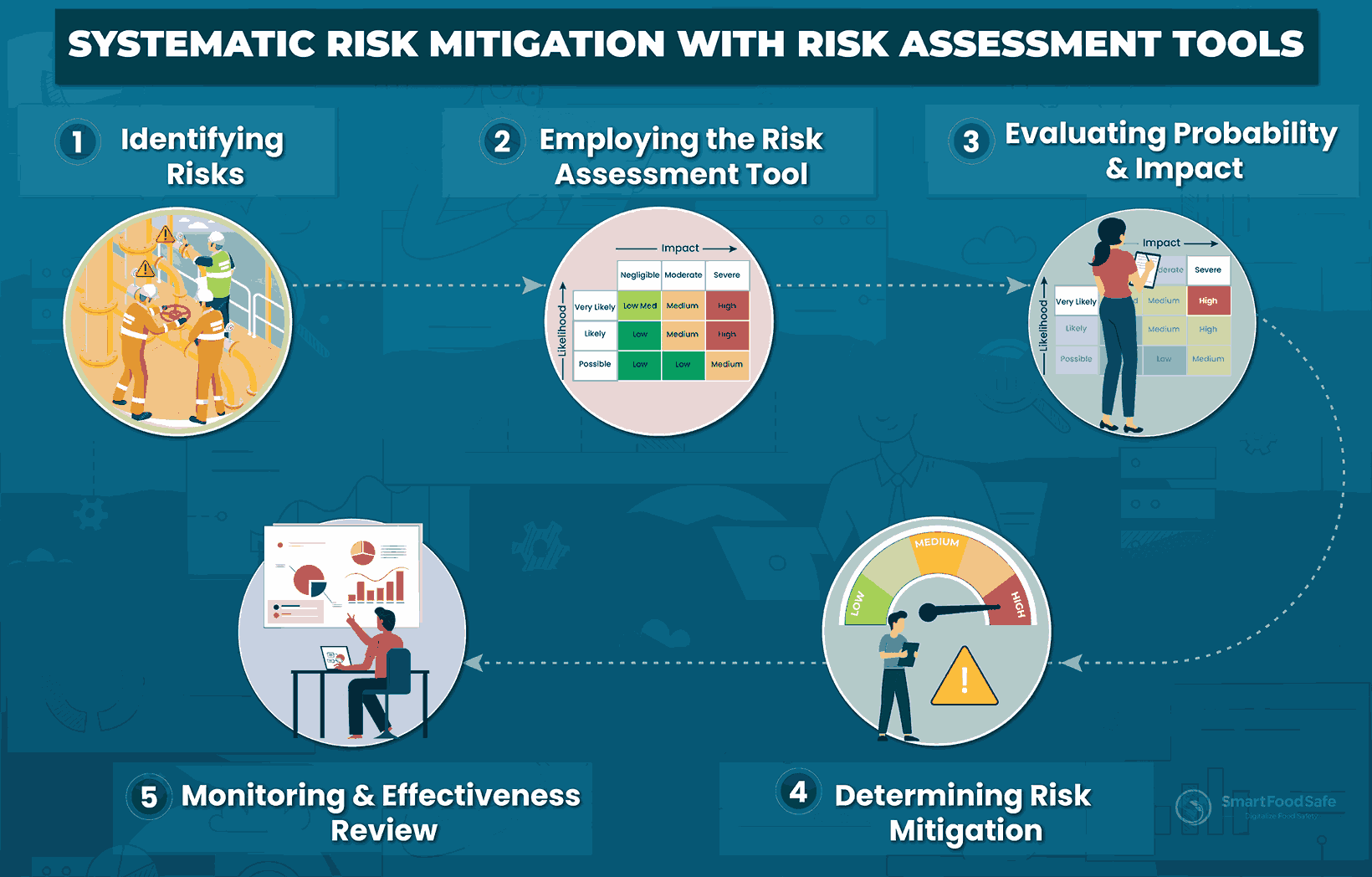
Incorporating bold tools for risk management into your investment strategy can significantly enhance your decision-making process. Here are practical steps to effectively weave them into your approach:
| Step | Description |
|---|---|
| Define Your Investment Goals | Clarify what you aim to achieve, whether it’s capital growth or income generation. |
| Assess Risk Tolerance | Understand your comfort level with potential losses before utilizing any tools. |
| Choose Suitable Tools | Select the tools that align with your investment style and goals, focusing on features like volatility assessment or analysis capabilities. |
| Monitor Portfolio Regularly | Keep track of your investments and adjust your strategy based on tool-generated insights. |
| Educate Yourself | Stay informed on how to interpret the data provided by these tools to make better-informed decisions. |
Implementing these steps ensures that the selected tools serve as effective allies in your investment journey, helping you navigate the complexities of the financial markets with confidence.
Frequently Asked Questions
What are risk management tools and why are they important?
Risk management tools are methodologies and software applications that help investors analyze potential risks associated with their investments. They are crucial because they enable investors to assess volatility, losses, and overall exposure to risk, helping them make informed and strategic decisions. By utilizing these tools, investors can minimize potential losses, protect their portfolios, and optimize their investment strategies.
How can I choose the right risk management tool for my investing style?
Choosing the right risk management tool depends on several factors including your investment goals, risk tolerance, portfolio size, and investment strategy. It is important to evaluate the features of various tools, such as data analysis capabilities, real-time monitoring, and user-friendliness. Reading reviews, seeking recommendations, and possibly utilizing trial versions can also help you determine which tool aligns best with your investing style.
Are there free risk management tools available for investors?
Yes, there are several free risk management tools available that provide valuable insights into investment risks. Platforms like Investopedia, Yahoo Finance, and several brokerage houses offer basic risk assessment features without charge. However, while these tools can be useful for general guidance, they may lack comprehensive functionalities found in premium versions. It’s important to assess what features are necessary for your investment strategy.
Can risk management tools guarantee success in investing?
While risk management tools are essential for analyzing and mitigating potential risks, they cannot guarantee success in investing. Investment markets are inherently unpredictable, influenced by numerous external factors. These tools provide data-driven insights and forecasting models that aid in decision-making, but the final investment outcomes are dependent on market behavior, investor decisions, and sometimes external economic conditions. Thus, they are best used as part of a broader investment strategy.