How Cybercriminals Target Investors and How to Stay Protected

In today’s digital age, the landscape of investing has transformed irrevocably, often exposing investors to risks they may not even realize exist. With the rise of technology, Cybercriminals Targeting Investors have become increasingly sophisticated, employing a range of deceptive tactics that can jeopardize your hard-earned assets. As investment portfolios become more intertwined with online platforms, understanding the impact of cybercrime is crucial for safeguarding your financial future. In this blog post, we will delve into the common strategies used by cybercriminals, highlight signs that indicate you may be a target, and provide effective strategies and resources to help you defend against these threats. Prepare to arm yourself with the knowledge necessary to navigate the complexities of modern investing safely.
Understanding Cybercriminals Targeting Investors: Common Tactics
Investors must be vigilant, as various tactics are employed to compromise their financial security. Here are some common methods that are frequently used:
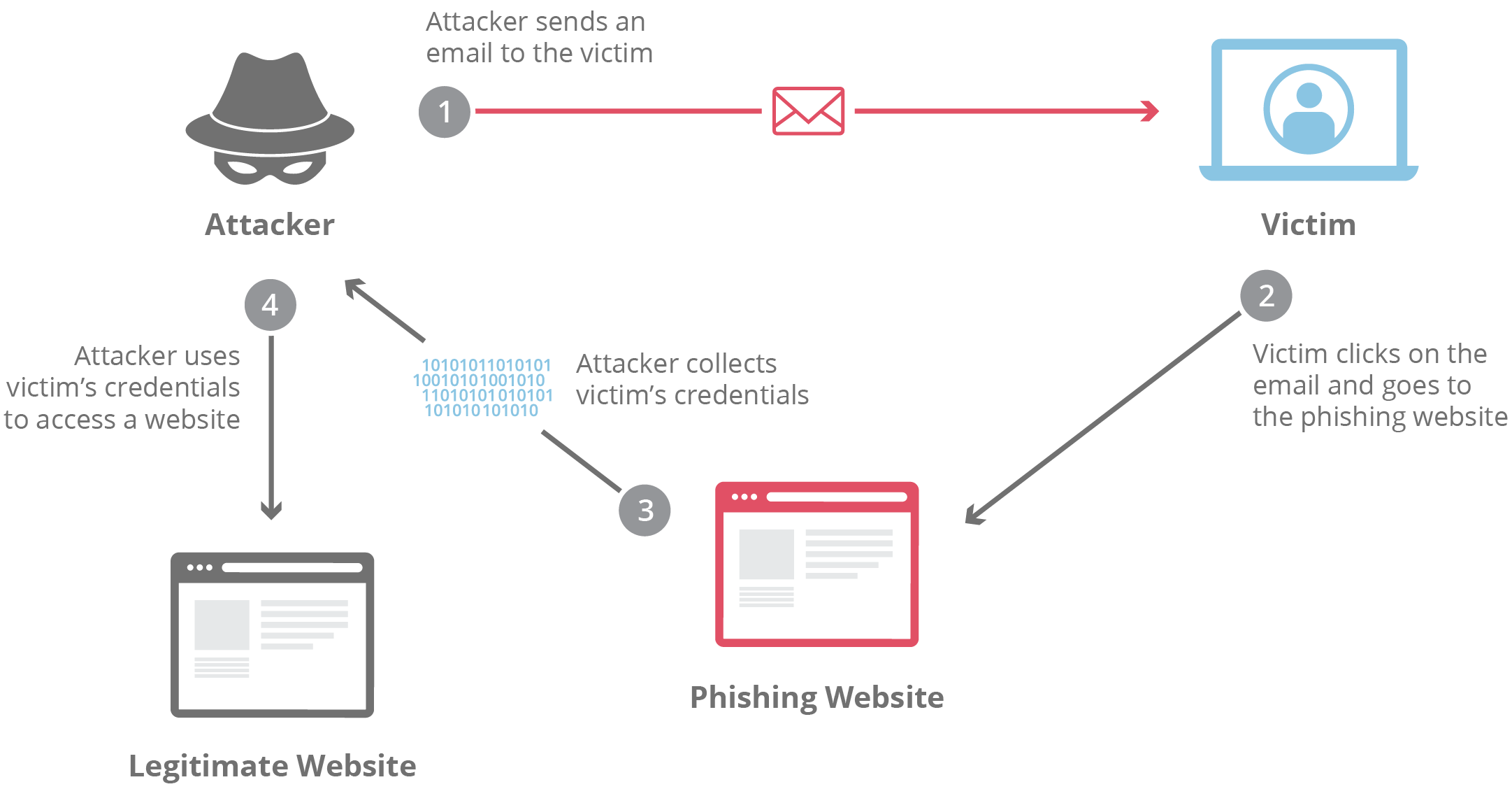
- Phishing Emails: Attackers often send fraudulent emails that appear to be from legitimate financial institutions. The goal is to trick investors into revealing sensitive information, such as login credentials or personal details.
- Spoofed Websites: Cybercriminals create fake websites that closely resemble legitimate trading platforms. Unsuspecting investors may unwittingly enter their details, leading to identity theft.
- Malware Attacks: Malicious software can be deployed through downloads or email attachments. Once installed, these programs can monitor activities or extract sensitive information from an investor’s device.
- Social Engineering: By leveraging information available on social media or other online sources, criminals manipulate their targets into providing confidential data.
| Tactic | Description | Prevention Tips |
|---|---|---|
| Phishing Emails | Fraudulent messages aimed at stealing personal information | Always verify the sender and avoid clicking links. |
| Spoofed Websites | Fake sites designed to look like real financial platforms | Check for HTTPS and confirm URLs before logging in. |
| Malware Attacks | Malicious software that can monitor or steal information | Use reliable antivirus software and keep it updated. |
| Social Engineering | Exploiting personal interactions to gain sensitive info | Be cautious when sharing information publicly. |
By understanding these common tactics, investors can take proactive measures to safeguard their assets against cybercriminals targeting investors.

The Impact of Cybercrime on Investment Portfolios
“Cybercrime can devastate your investment portfolio, often with long-lasting effects.” Cybercriminals targeting investors can employ various tactics to access sensitive information, manipulate accounts, or even seize assets. The implications of such attacks can be profound and multifaceted.
Key Effects of Cybercrime on Investments:
| Impact | Description |
|---|---|
| Financial Losses | Direct theft of funds from accounts or unauthorized trades can result in significant financial damage. |
| Erosion of Trust | Investors may lose faith in financial institutions and platforms if security breaches occur frequently. |
| Increased Costs | Enhanced security measures and potential legal fees can burden investors with unexpected additional costs. |
| Long-Term Market Effects | A surge in cybercrime can create regulatory changes and market instability, affecting all investors. |
By understanding how these impacts manifest, investors can better appreciate the importance of cybersecurity vigilance. Protecting your portfolio is not just about monitoring investments; it’s also about ensuring your financial data remains secure from those who seek to exploit it.
Signs That Cybercriminals Are Targeting Investors
Recognizing the cybercriminals targeting investors is crucial for safeguarding your financial assets. Here are key indicators to watch out for:
- Unusual Activity: Frequent login attempts from unfamiliar devices or locations can signify unauthorized access.
- Phishing Emails: Be wary of emails that request sensitive information or alert you to “security issues,” as these are often traps.
- Fake Investments: Promises of unusually high returns or unsolicited investment opportunities may indicate a scam.
- Account Changes: Sudden changes to your account details, such as password resets or the addition of unknown beneficiaries, can signal a threat.
Utilizing awareness of these signs can prevent potential losses and ensure that your investment is secure. If you identify any unusual activities, act quickly to protect your investments.
Effective Strategies for Protecting Yourself from Cybercrime
To safeguard your investments against cybercriminals targeting investors, implement the following strategies:
- Educate Yourself: Stay informed about the latest cyber threats specifically aimed at investors. Knowledge is your first line of defense.
- Use Strong Passwords: Create unique, complex passwords for your investment accounts. Consider employing a password manager to keep track of them.
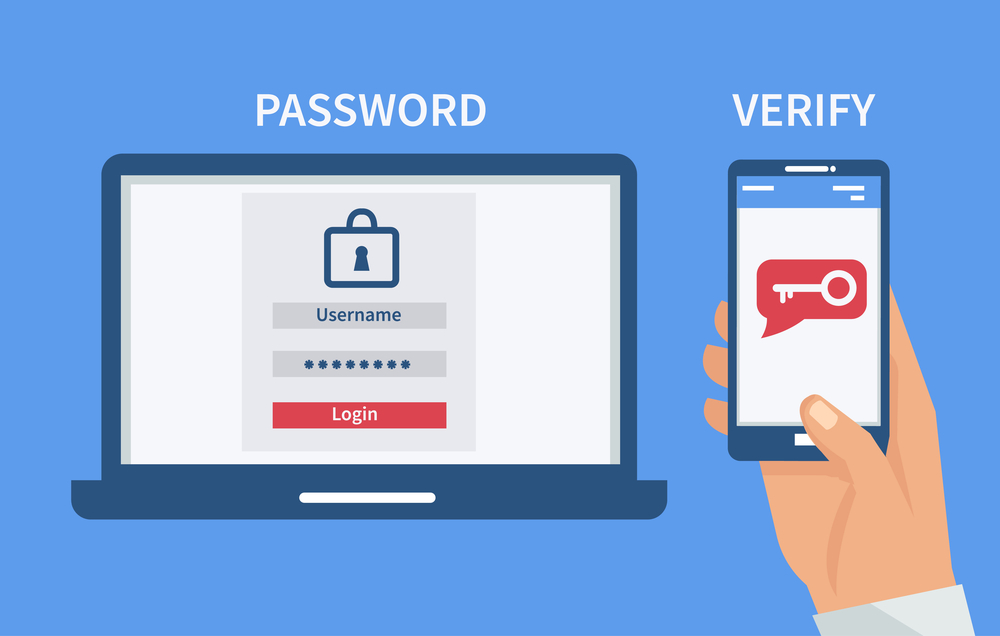
- Enable Two-Factor Authentication (2FA): This adds an extra layer of security by requiring a second form of verification beyond just the password.
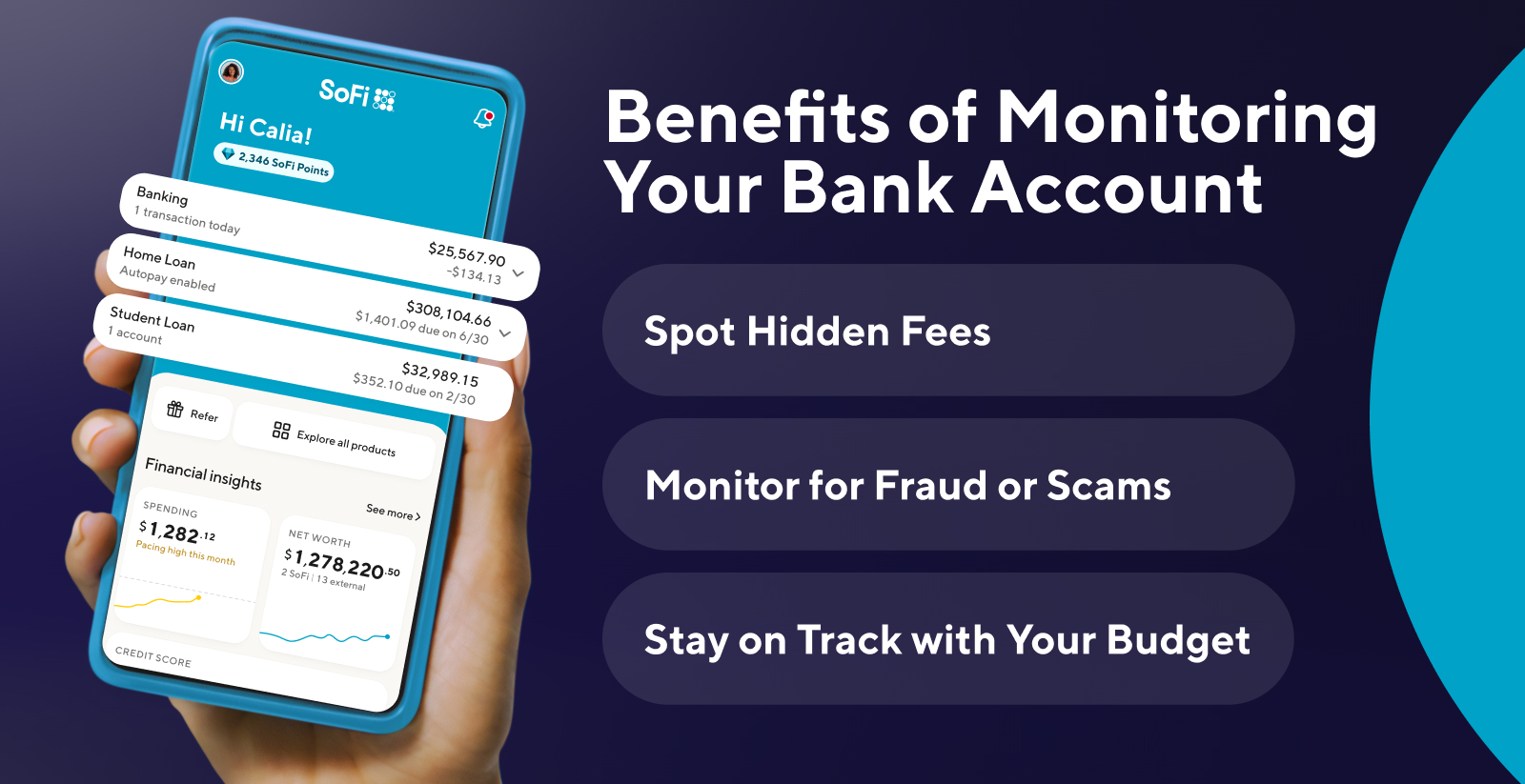
- Monitor Accounts Regularly: Frequently check your investment accounts for unauthorized transactions or changes. Quick detection can mitigate significant losses.
- Stay Paranoid with Emails: Be skeptical of unsolicited emails, especially those asking for your personal information. Always confirm legitimacy before clicking links.
“A proactive approach can make all the difference in protecting your financial future.”
| Strategy | Action |
|---|---|
| Educate Yourself | Attend webinars, read articles |
| Use Strong Passwords | Create passwords with letters, numbers, and special characters |
| Enable Two-Factor Authentication | Activate 2FA for all accounts |
| Monitor Accounts Regularly | Set alerts for transactions above a threshold |
| Stay Paranoid with Emails | Validate the source before engaging |
By employing these strategies, you’ll significantly reduce the risk of falling victim to cybercriminals targeting investors.
Resources for Investors to Stay Ahead of Cybercriminals
To effectively combat the threat posed by cybercriminals targeting investors, it is crucial to leverage various resources available. Below is a list of valuable tools and platforms that can help investors safeguard their assets:
| Resource Type | Details |
|---|---|
| Security Software | Invest in reputable antivirus and anti-malware programs to protect your devices. |
| Financial News | Follow trusted financial news outlets to stay informed about emerging scams and fraud. |
| Regulatory Websites | Check guidance from organizations like the SEC or FINRA for alerts on cyber threats. |
| Cybersecurity Blogs | Subscribe to expert blogs focusing on cybersecurity trends and tips. |
| Investment Forums | Engage in discussions within safe online communities to share experiences and receive warnings. |
By utilizing these resources, investors can better equip themselves against the tactics employed by cybercriminals targeting investors and enhance their overall security posture. Regularly updating your knowledge and tools makes a significant impact on protecting your investments.
Frequently Asked Questions
What tactics do cybercriminals typically use to target investors?
Cybercriminals often employ a range of tactics to target unsuspecting investors, including phishing emails and sophisticated social engineering techniques. These methods aim to deceive individuals into providing sensitive information, such as login credentials or financial details. For instance, a common tactic is to send emails that appear to be from legitimate financial institutions, urging users to verify their accounts through seemingly authentic links that lead to fake websites. Additionally, malware can be used to compromise systems and track user activities, making investors vulnerable to theft and fraud.
How can investors effectively protect themselves from cybercriminal attacks?
To protect themselves from cybercriminal attacks, investors should adopt a multi-layered approach to security. This includes using strong, unique passwords for different accounts and enabling two-factor authentication whenever possible. Keeping software updated is crucial, as updates often contain important security patches. Investors should also be vigilant about recognizing phishing attempts by checking the sender’s email address and avoiding clicking on suspicious links. Regularly monitoring account statements for unauthorized transactions and using a virtual private network (VPN) when accessing public Wi-Fi can also enhance security.
What role does awareness play in preventing cyber attacks on investors?
Awareness is a key component in preventing cyber-attacks on investors. By understanding the tactics that cybercriminals use, individuals can better prepare themselves to recognize potential threats. Educational resources, training sessions, and discussions surrounding cybersecurity best practices can enhance an investor’s ability to identify fraudulent communications. Furthermore, being aware of the latest scams or threats circulating in the investment community can prevent individuals from falling victim to these malicious schemes. Regularly updating knowledge regarding cybersecurity helps create a vigilant mindset that guards against potential breaches.
What steps should investors take if they believe they have been targeted by cybercriminals?
If investors suspect they have been targeted by cybercriminals, they should act swiftly to mitigate potential damage. The first step is to change passwords for all financial accounts and enable two-factor authentication, if not already present. They should closely monitor their bank and investment accounts for any unauthorized transactions and report any suspicious activity immediately. It is also advisable to inform the relevant financial institutions about the potential breach to safeguard their accounts. Additionally, seeking professional help, such as contacting a cybersecurity expert or a legal advisor, can provide further guidance in managing the situation.