How to Invest During Inflation and Protect Your Money
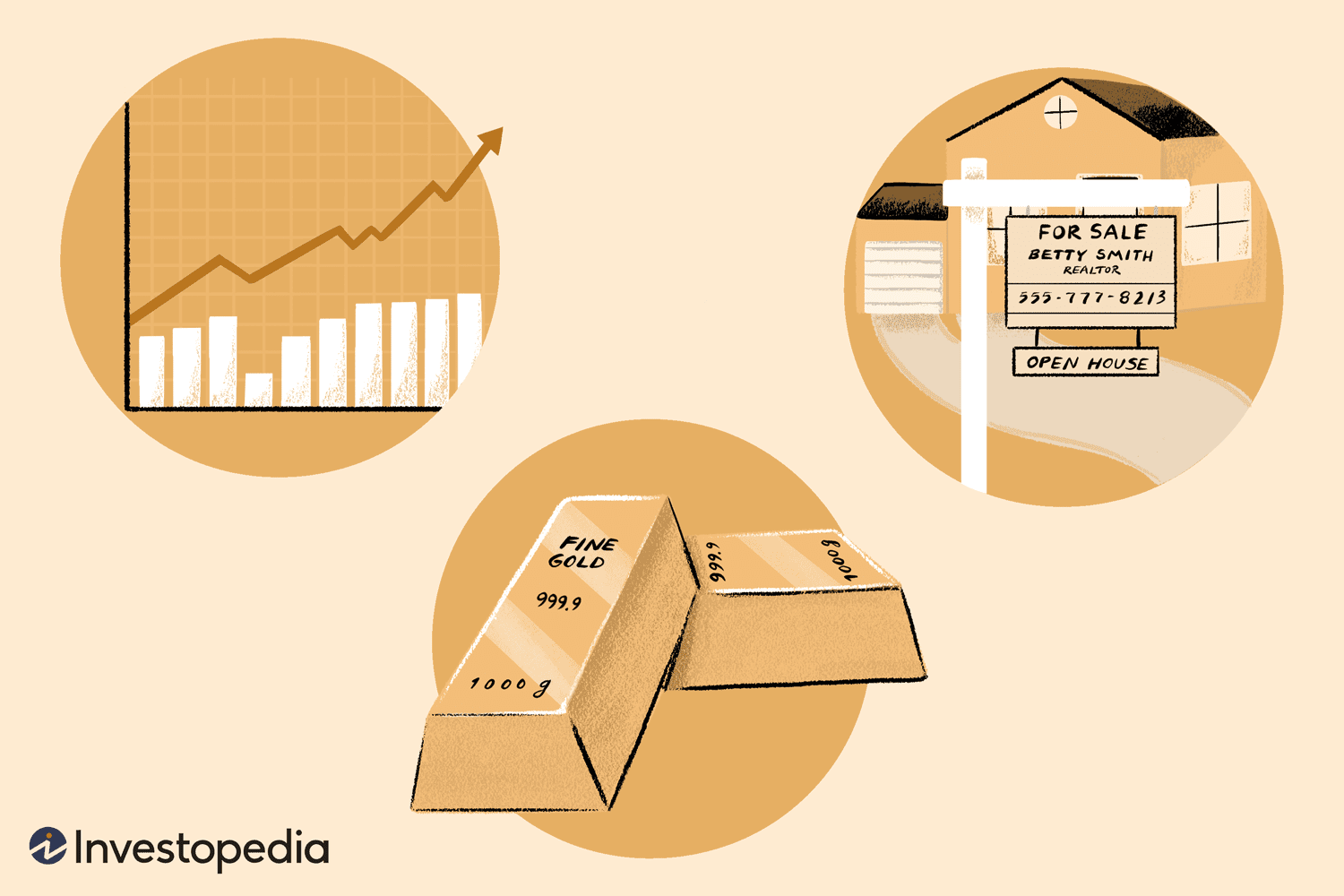
In an ever-changing economic landscape, inflation often looms as a significant challenge for investors seeking to protect their hard-earned money. Understanding the nuances of inflation and its impact on investments is crucial for anyone looking to safeguard their financial future. As prices rise, many wonder if it’s prudent to invest or to hold onto cash. This blog post will explore the importance of investing during these turbulent times and provide valuable insights into the asset classes that can serve as a buffer against inflation. From effective strategies to protect your money to the vital role of diversification in building an inflation-proof portfolio, we’ll equip you with the tools needed for smart investing. Join us as we navigate the complex world of investing amid inflation and uncover actionable tips that can help you thrive when others may falter.
Understanding Inflation and Its Impact on Investments
Inflation refers to the rate at which the general level of prices for goods and services rises, eroding purchasing power. Understanding inflation is essential for making informed investment decisions. In times of rising inflation, the value of money decreases, which can adversely affect savings and fixed-income investments.
Key Points About Inflation and Investments
| Aspect | Impact |
|---|---|
| Purchasing Power | Reduced, as your money buys less over time. |
| Interest Rates | Typically rise to combat inflation, affecting borrowing costs. |
| Asset Valuation | Real assets may appreciate, while cash-based assets lose value. |
| Investor Sentiment | Increased uncertainty, leading to more volatile markets. |
When you invest during inflation, it’s crucial to focus on assets that typically hold their value or appreciate, such as real estate or commodities. Without this understanding, investors may find themselves at a disadvantage, with their portfolios dwindling in value over time. By grasping the implications of inflation, investors can better position themselves for wealth preservation and growth.
Why You Should Invest During Inflation
Staying Ahead of Rising Prices: Investing during periods of inflation is crucial for maintaining your purchasing power. As prices increase, cash savings can lose value over time. Consequently, investing allows your money to potentially grow at a rate that outpaces inflation.
Diversifying Your Portfolio: Allocating assets across various investment classes helps mitigate risks associated with inflation. For instance, stocks, real estate, and commodities often perform well during inflationary periods, providing a hedge against the decreasing value of currency.
| Reason | Details |
|---|---|
| Preservation of Wealth | Investments typically outpace inflation, preserving value. |
| Growth Opportunities | Inflation may drive asset prices higher, creating investment opportunities. |
| Inflation-Linked Assets | Certain assets like TIPS or commodities may offer direct protection against inflation. |
By recognizing these benefits, you can make informed choices that not only safeguard your finances but potentially enhance your wealth. Therefore, a strategic approach to investing during inflation is essential for long-term financial health.
Asset Classes to Consider When Investing During Inflation
When looking to Invest During Inflation, selecting the right asset classes is crucial to protect your purchasing power. Here are some key categories to focus on:
1. Real Estate: Real estate often appreciates in value during inflationary periods, plus it can generate rental income, providing a hedge against rising prices.
2. Commodities: Investing in commodities like gold, silver, and oil can be beneficial as they typically retain value during inflation.
3. Stocks: Certain sectors, particularly consumer staples and utilities, can provide robust returns during inflation. Their revenues often rise alongside consumer prices.
4. Treasury Inflation-Protected Securities (TIPS): TIPS are U.S. government bonds specifically designed to keep pace with inflation, offering a safe investment with interest adjustments based on inflation rates.
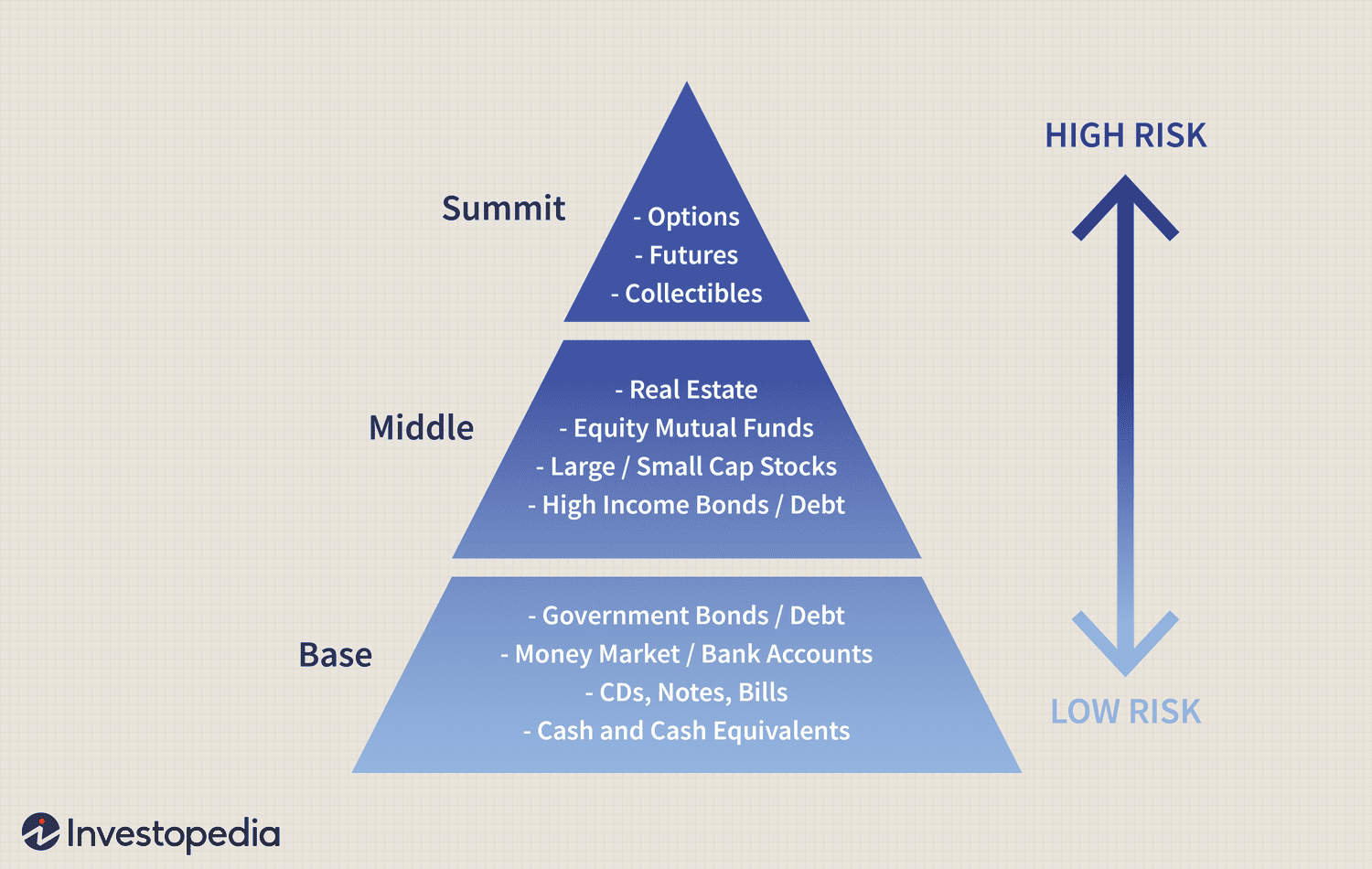
| Asset Class | Potential Benefits | Risk Level |
|---|---|---|
| Real Estate | Value appreciation & rental income | Moderate to High |
| Commodities | Value retention | High |
| Stocks | Potential for high returns | Moderate to High |
| TIPS | Inflation protection | Low |
By diversifying across these asset classes, you can strategically Invest During Inflation and mitigate the risks associated with rising prices while maximizing your potential returns.
Strategies to Protect Your Money in Inflationary Times
Inflation can erode purchasing power, making it essential to adopt effective strategies for safeguarding your wealth. Here are key approaches to consider:
| Strategy | Description |
|---|---|
| Invest in Real Assets | Physical assets such as real estate and commodities tend to retain value during inflation. |
| Consider Inflation-Protected Securities | Bonds like TIPS adjust with inflation, providing a safeguard for your investments. |
| Allocate to Commodities | Investing in gold or oil can serve as a hedge against rising prices. |
| Increase Exposure to Stocks | Equities, particularly in sectors like energy and consumer staples, often outperform during inflation. |
| Use Inflation-Linked Funds | Exchange-Traded Funds (ETFs) focused on inflation-protected assets can offer diversified exposure. |
By implementing these strategies, you can better Invest During Inflation and protect your financial future effectively. Taking proactive measures can help mitigate risks while seeking opportunities in a fluctuating economic landscape.
The Role of Diversification in Inflation-Proofing Your Portfolio
When facing inflation, diversification emerges as a crucial strategy to protect your investments. By spreading your assets across various classes, you can mitigate risks and improve your chances of maintaining and growing your wealth. Here are key points to consider:
| Asset Class | Inflation Protection | Examples |
|---|---|---|
| Real Estate | Typically appreciates with inflation. | Rental properties, REITs |
| Commodities | Often rise in value during inflation. | Gold, oil, agricultural goods |
| Stocks | Strong companies may increase prices. | Consumer goods, utilities |
| Treasury Inflation-Protected Securities (TIPS) | Interest rises with inflation. | U.S. government bonds |
Investing in a mix of these asset classes helps build a solid foundation to Invest During Inflation. Each category reacts differently to inflationary pressures, creating a buffer that can stabilize your portfolio. Additionally, it enables you to capitalize on opportunities, enhancing your potential returns. Ultimately, a diversified approach not only protects but also positions you for growth in uncertain economic times.
Tips for Smart Investing During Inflation
Navigating the investment landscape during inflation can be challenging. To effectively Invest During Inflation, consider these essential tips:
- Focus on Assets with Intrinsic Value: Invest in commodities like gold and real estate, which often outperform traditional stocks when inflation rises. They maintain their value over time.
- Utilize Inflation-Protected Securities: Consider Treasury Inflation-Protected Securities (TIPS) that adjust with inflation, ensuring your returns keep pace.
- Diversify Your Portfolio: Don’t put all your eggs in one basket. A balanced mix of stocks, bonds, and real estate can mitigate risks associated with inflation.
- Stay Informed on Market Trends: Regularly update yourself on economic indicators and adjust your investment strategy accordingly. Awareness can guide timely decisions.
By following these strategies, you can position yourself to safeguard your assets and seize opportunities even amidst inflationary pressure.
Frequently Asked Questions
What is inflation and how does it affect my investments?
Inflation refers to the general increase in prices and the decline in purchasing power of money over time. When inflation rises, the value of currency decreases, which can significantly impact investments. For instance, if your investments do not yield a return that outpaces inflation, your money’s purchasing power diminishes. As a result, it is essential to choose investment vehicles that historically offer returns above the inflation rate, such as stocks or real estate, to protect your financial interests.
What types of investments are considered safe during inflation?
During inflationary periods, certain investments are traditionally viewed as safe havens. Commodities, such as gold and silver, tend to retain value as they are tangible assets. Real estate can also be a solid investment, as property values often rise with inflation. Additionally, Treasury Inflation-Protected Securities (TIPS) are designed specifically to protect against inflation, adjusting their principal value as inflation rises, ensuring that investors receive a return that maintains purchasing power.
How can I diversify my portfolio to mitigate inflation risk?
To mitigate the risks associated with inflation, it’s crucial to diversify your investment portfolio across various asset classes. Consider allocating a portion of your investments into inflation-resistant assets, such as commodities and real estate, alongside equities and fixed-income investments. Additionally, incorporating international investments can provide an extra layer of protection, as inflation rates may vary globally. This strategic diversification can help ensure that your portfolio remains resilient against the impacts of inflation over the long-term.
Should I change my investment strategy if inflation is rising?
Yes, if inflation is on the rise, it may be wise to reassess your investment strategy to protect your capital. A rising inflation environment may call for a more aggressive approach, with increased allocations to assets that historically perform well during inflationary periods, like stocks or commodities. Additionally, consider reducing exposure to long-term fixed-income investments, which can lose value in inflationary times. Adapting your strategy can help ensure that your investments continue to grow in real terms, preserving your wealth throughout fluctuating economic conditions.