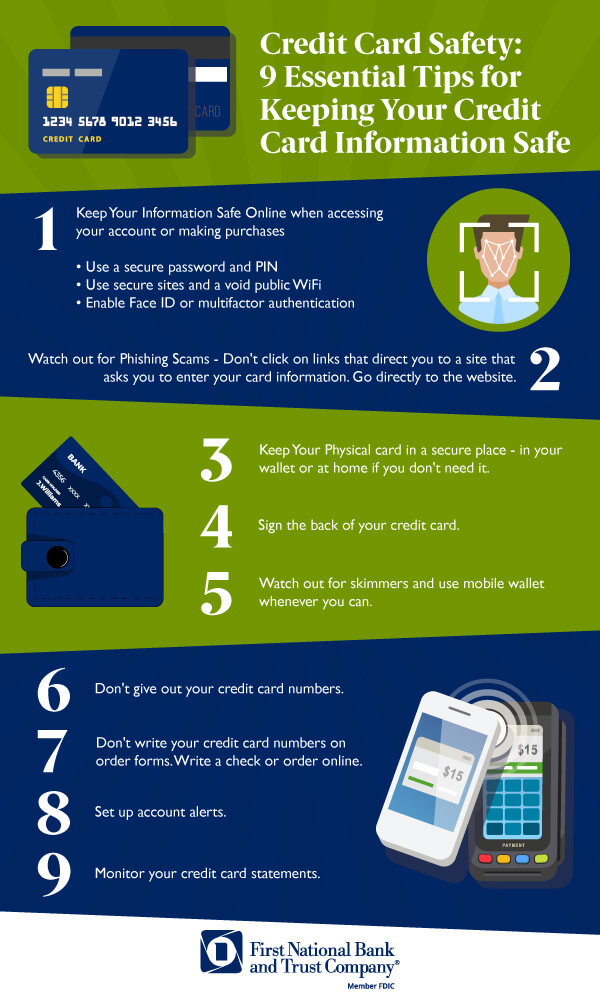
How to Protect Your Online Financial Accounts from Hackers
In our increasingly digital world, safeguarding your online financial accounts has never been more crucial. With cyber threats evolving at an alarming rate, it’s vital to grasp the significance of Online Financial Security and its pivotal role in protecting your personal assets. From common scams that target unsuspecting users to the essential practices that can fortify your defenses, this blog post will guide you through the landscape of online security. We’ll explore effective strategies, such as creating strong passwords, implementing two-factor authentication, and the importance of regularly monitoring your financial activity, ensuring that you stay one step ahead of potential hackers.
Understanding the Importance of Online Financial Security
In today’s digital landscape, safeguarding your financial information is more crucial than ever. With a growing number of cyber threats, understanding why securing your accounts is essential can prevent significant financial loss. Here are key points to consider:
- Rising Cybercrime: Hackers are constantly evolving their tactics, targeting individuals and businesses alike.
- Personal Information Theft: Sensitive data, such as Social Security numbers and bank details can be easily stolen if not protected.
- Identity Theft Risks: Compromised accounts can lead to identity theft, resulting in long-term financial ramifications and damage to your credit score.
- Preventing Unauthorized Transactions: By securing your online accounts, you reduce the risk of fraudulent activities and unauthorized transactions.
| Reasons for Importance | Implications |
|---|---|
| Increase in cyber threats | Higher risk of financial loss |
| Potential personal data exposure | Long-lasting impact on identity and credit |
| Growth of identity theft cases | Complicated recovery processes and liabilities |
Investing time in securing your financial accounts not only protects your assets but also provides peace of mind in an increasingly digital world. Always prioritize your online financial security to stay one step ahead of potential threats.

Common Threats to Your Financial Accounts
“In the digital age, safeguarding your financial information is paramount.”
Understanding the risks associated with your online financial accounts is crucial for Online Financial Security. Here are some common threats:
| Threat | Description |
|---|---|
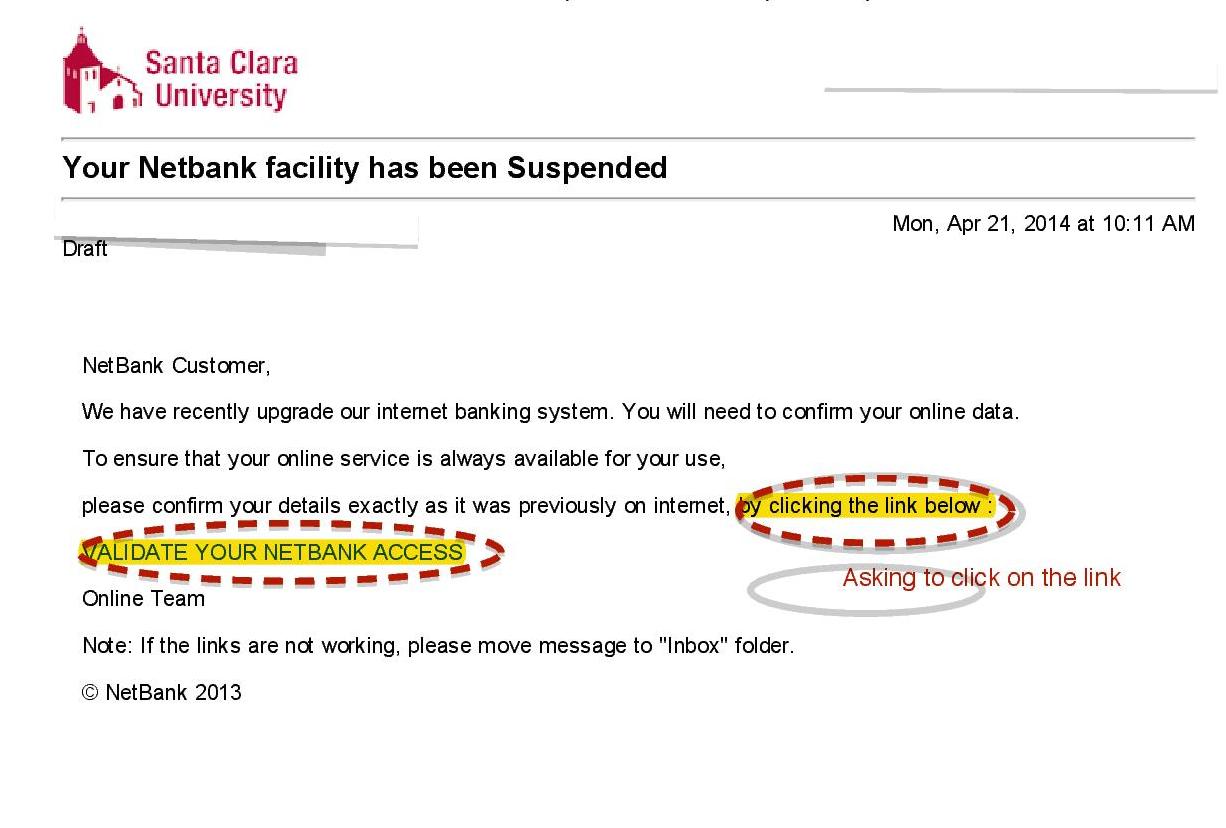
| Phishing Attacks | Cybercriminals often pose as trusted entities to trick users into revealing sensitive info. |
| Malware | Malicious software can infiltrate devices to steal credentials and financial data. |
| Data Breaches | Security flaws in platforms may expose user data to hackers who exploit this information. |
| Identity Theft | Hackers may misuse stolen personal information to open accounts or make purchases in your name. |
Awareness of these threats allows you to implement necessary security measures and significantly reduce your vulnerability to attacks. Taking proactive steps ensures your online financial practices remain secure and reliable.
Best Practices for Creating Strong Passwords
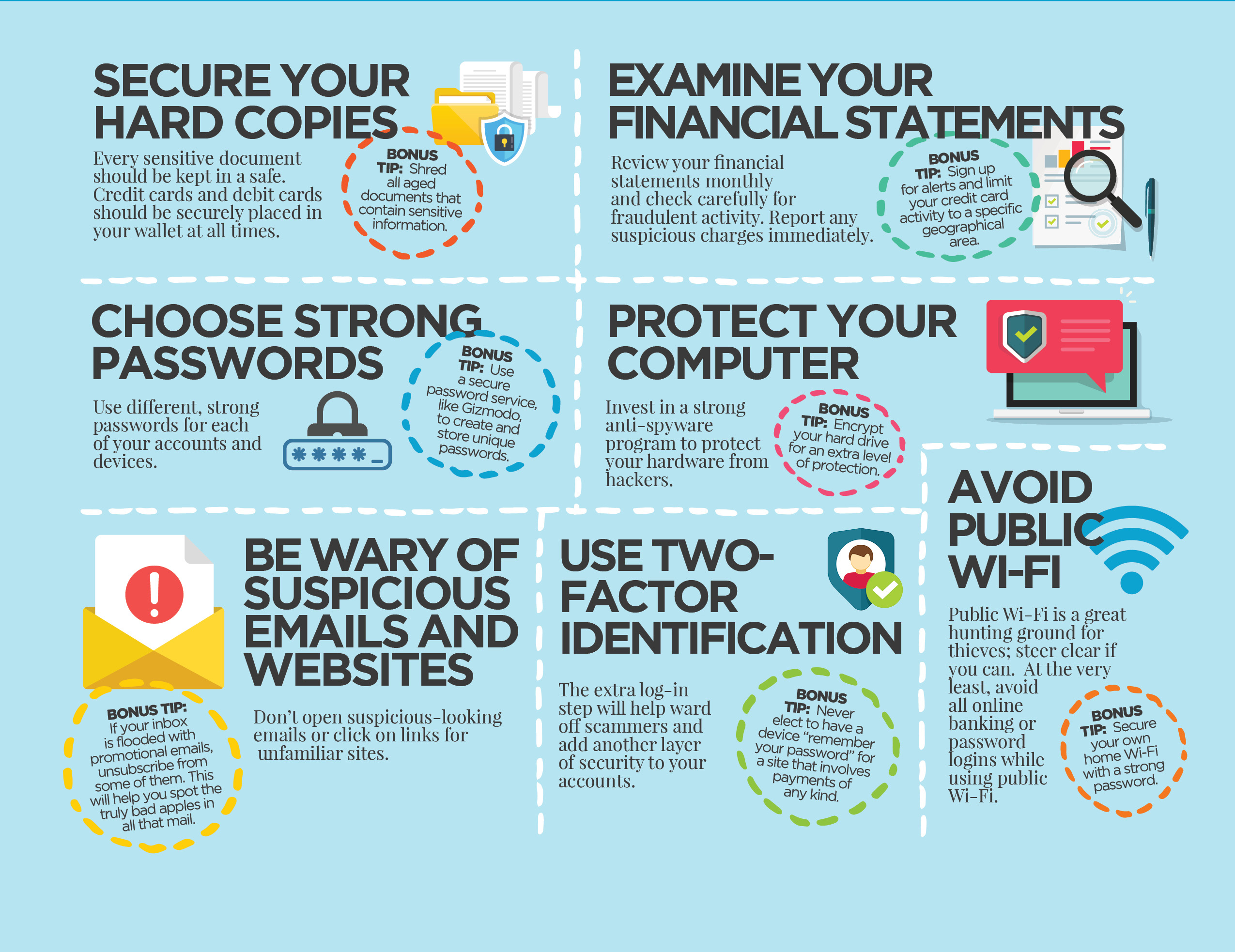
Creating strong passwords is a critical step in enhancing Online Financial Security. Here are some best practices to help you develop passwords that are difficult for hackers to crack:
- Use a Mix of Characters: Combine uppercase and lowercase letters, numbers, and special symbols to fortify your password.
- Length Matters: Aim for at least 12–16 characters. Longer passwords typically increase security.
- Avoid Personal Information: Steer clear of using easily obtainable data, such as your name, birthdate, or pet’s name, as these can be easily guessed.
- Unique Passwords for Each Account: Instead of reusing passwords, create unique ones for different sites to minimize potential damage if one account is compromised.
- Password Managers: Consider utilizing a password manager to generate and store complex passwords securely.
By implementing these practices, you can significantly enhance your defense against unauthorized access and safeguard your Online Financial Security.
Utilizing Two-Factor Authentication
“Two-factor authentication (2FA) adds an essential layer of security to your online financial accounts.” By requiring two forms of verification, you significantly reduce the risk of unauthorized access.
- What is 2FA?
A security measure that combines something you know (a password) with something you have (a mobile device or security token). - Why Use 2FA?
- Extra Protection: Even if a hacker manages to get your password, they still need the second form of authentication.
- Reduced Fraud Risk: Adds a barrier that can deter cybercriminals.
| Type of 2FA | Description |
|---|---|
| SMS Codes | A code sent to your phone via text message. |
| Authenticator Apps | Apps like Google Authenticator provide codes. |
| Biometric Verification | Uses fingerprints or facial recognition. |
Implementing Online Financial Security measures like 2FA is vital in today’s digital landscape. Enhance your account’s protection and ensure your sensitive information remains secure. Don’t wait—activate this feature wherever possible!

Regular Monitoring and Reporting of Financial Activity
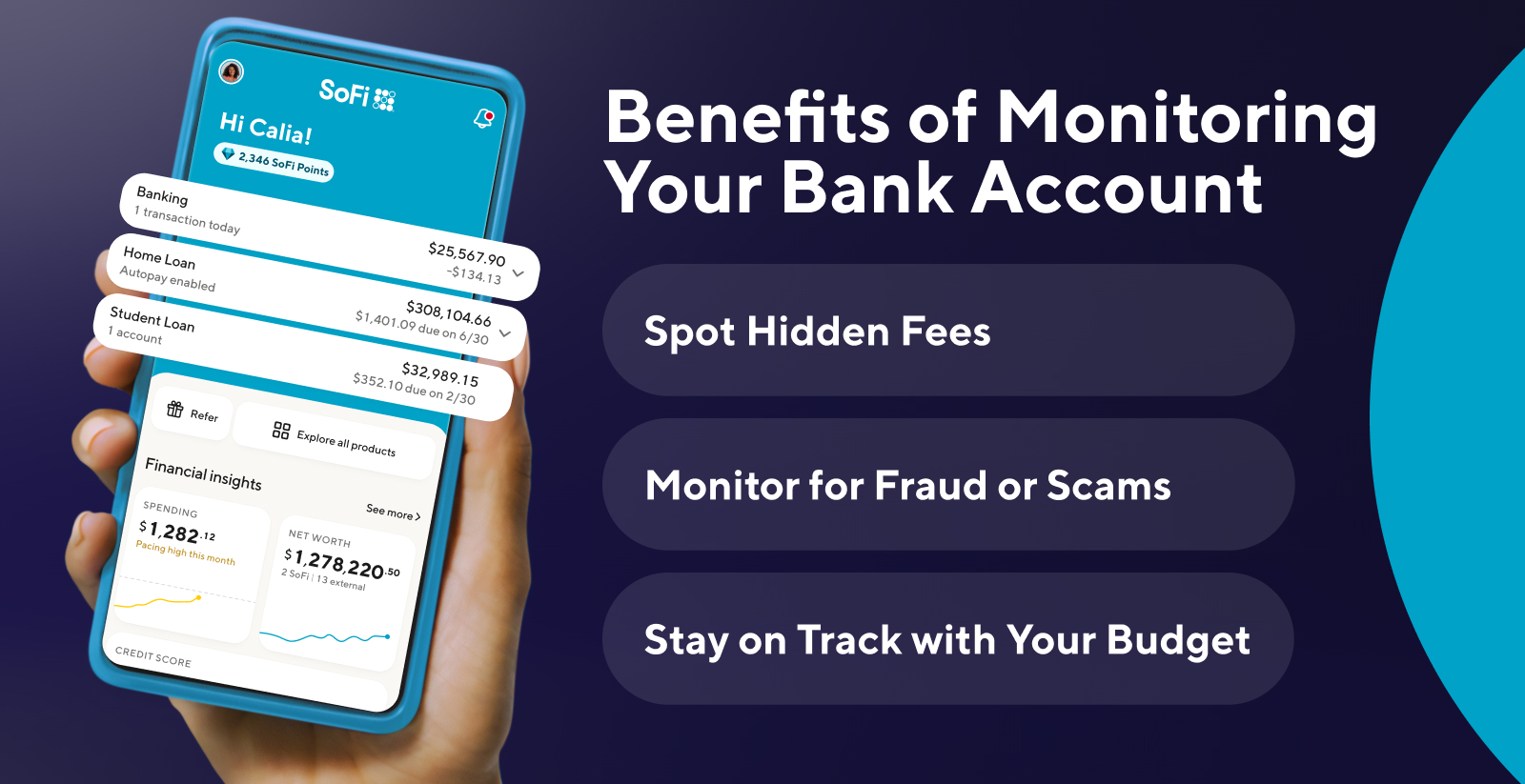
To maintain Online Financial Security, it is vital to constantly monitor and report your financial activities. By keeping an eye on your accounts, you can quickly identify any unusual activity and take necessary action. Here are some key practices:
| Action | Description |
|---|---|
| Frequent Account Checks | Log in at least weekly to review transactions and balances. |
| Set Alerts | Enable notifications for unusual transactions or balance changes. |
| Review Statements Monthly | Closely examine monthly statements for discrepancies. |
| Report Suspicious Activity | Immediately contact your financial institution if you detect any irregularities. |
By implementing these measures, you decrease the risk of potential fraud and ensure that your financial data remains secure. Consistent vigilance not only enhances your Online Financial Security but also fosters a proactive approach against cyber threats.
Frequently Asked Questions
What are some common tactics used by hackers to access online financial accounts?
Hackers often use various tactics to access online financial accounts, including phishing emails that trick users into providing their login credentials, keylogging software that captures keystrokes, and exploiting security vulnerabilities in software or networks. They may also use social engineering techniques to manipulate individuals into revealing sensitive information. Understanding these tactics can help users stay vigilant and protect their accounts.
How can I create a strong password for my financial accounts?
To create a strong password for your financial accounts, aim for at least 12 to 16 characters that include a mixture of uppercase and lowercase letters, numbers, and special symbols. Avoid using easily guessable information like names or birthdays. Consider using a passphrase made up of random words, as this can enhance security while remaining memorable. Additionally, using a password manager can help you generate and store complex passwords securely.
What is two-factor authentication, and why is it important?
Two-factor authentication (2FA) is an added layer of security that requires not only a password and username to access an account but also something that only the user has, such as a physical token or a verification code sent to their mobile device. This significantly reduces the risk of unauthorized access, even if a hacker obtains a user’s password. Implementing 2FA is a vital step in protecting online financial accounts from breaches.
What steps should I take if I suspect my financial account has been compromised?
If you suspect that your financial account has been compromised, immediately change your password and enable two-factor authentication if it’s not already activated. Contact your bank or financial institution to report the incident and follow their guidance. Review any recent transactions for unauthorized activity and consider placing a fraud alert on your credit reports. It’s also wise to monitor your accounts closely for further suspicious activity.