How to Create Strong Passwords for Financial Accounts
In today’s digital age, securing your financial accounts is more critical than ever, and one of the most effective ways to protect your sensitive information is through strong passwords. As cyber threats continue to evolve, understanding how to create and maintain robust passwords can significantly enhance your online security. In this blog post, we’ll explore the importance of strong passwords, the key characteristics that make them effective, and practical techniques for crafting them. Additionally, we will share valuable tools and resources for password management, along with best practices to safeguard your credentials against unauthorized access. Let’s dive into the essential steps to fortifying your financial accounts.
Understanding the Importance of Strong Passwords
In today’s digital landscape, the security of your financial accounts is paramount. Strong Passwords act as your first line of defense against unauthorized access. Here’s why they are essential:
- Prevent Identity Theft: A weak password makes it easier for cybercriminals to impersonate you.
- Secure Sensitive Information: Financial accounts contain personal data that can lead to severe consequences if compromised.
- Protect Assets: Your savings, investments, and other assets deserve protection against malicious attacks.
Key Statistics
| Factor | Impact |
|---|---|
| Percentage of breaches from weak passwords | 81% |
| Users repeating passwords | 59% |
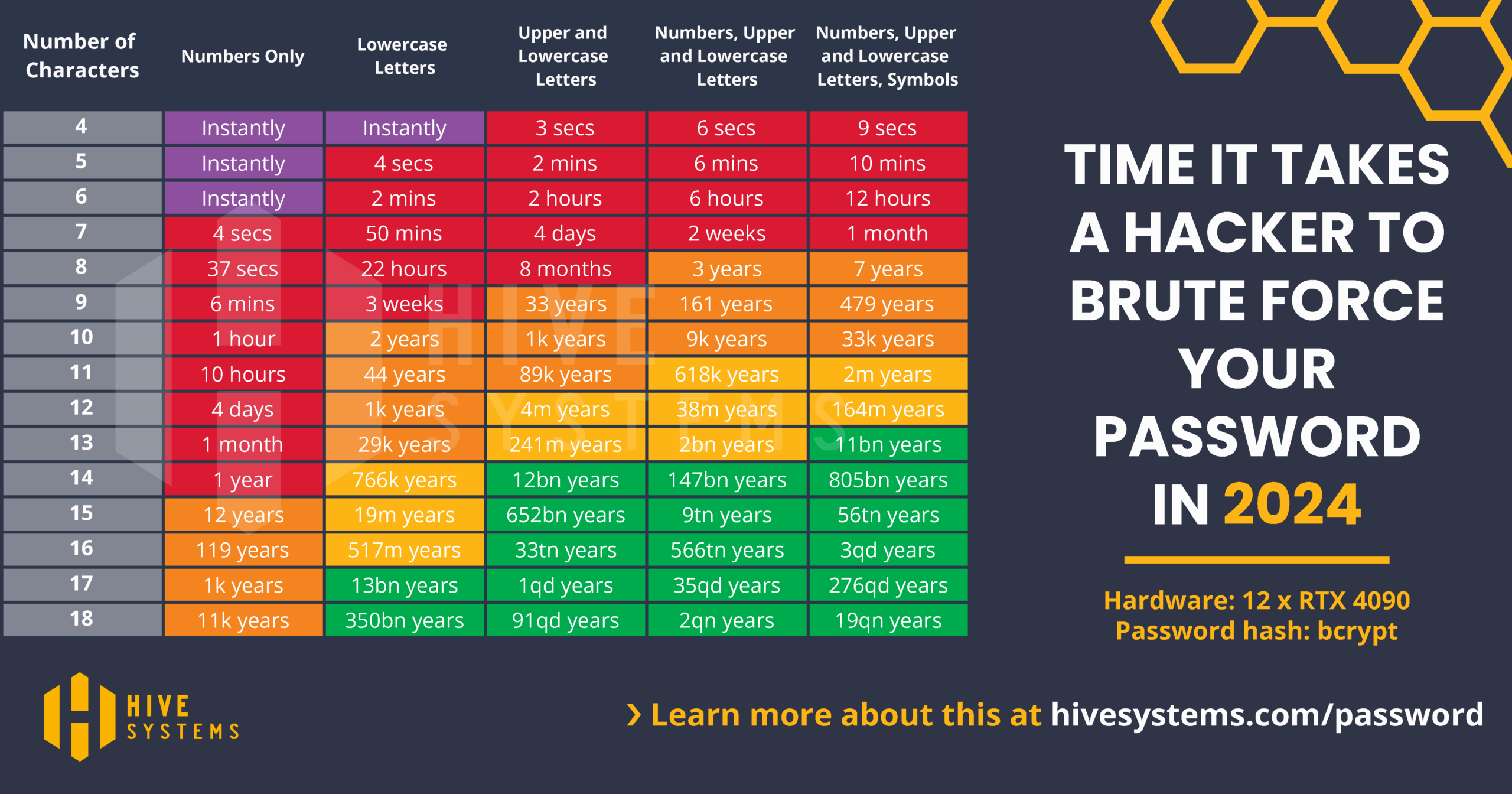
| Average time to crack weak passwords | Seconds to minutes |
By prioritizing Strong Passwords, you can significantly reduce your risk of falling victim to cyber threats. Always remember that your financial security starts with a robust password strategy!
Characteristics of a Strong Password
A strong password serves as the first line of defense against unauthorized access to your financial accounts. To be effective, your password should incorporate several essential characteristics:
| Characteristic | Details |
|---|---|
| Length | At least 12-16 characters long |
| Complexity | Combination of uppercase, lowercase, numbers, and symbols |
| Unpredictability | Avoid common words, phrases, or easy-to-guess information (e.g., birthdays) |
| Uniqueness | Different passwords for different accounts |
“Crafting a strong password is crucial; it’s like locking the door to your financial safety.” By adhering to these characteristics, you can significantly reduce the risk of your financial accounts being compromised. Remember, the more complex and unique your password, the more secure your valuable information will be.
Techniques for Creating Strong Passwords
Creating Strong Passwords is essential for protecting your financial accounts from unauthorized access. Here are some effective techniques:
- Length Over Complexity: Aim for at least 12-16 characters. The longer your password, the harder it is to crack.
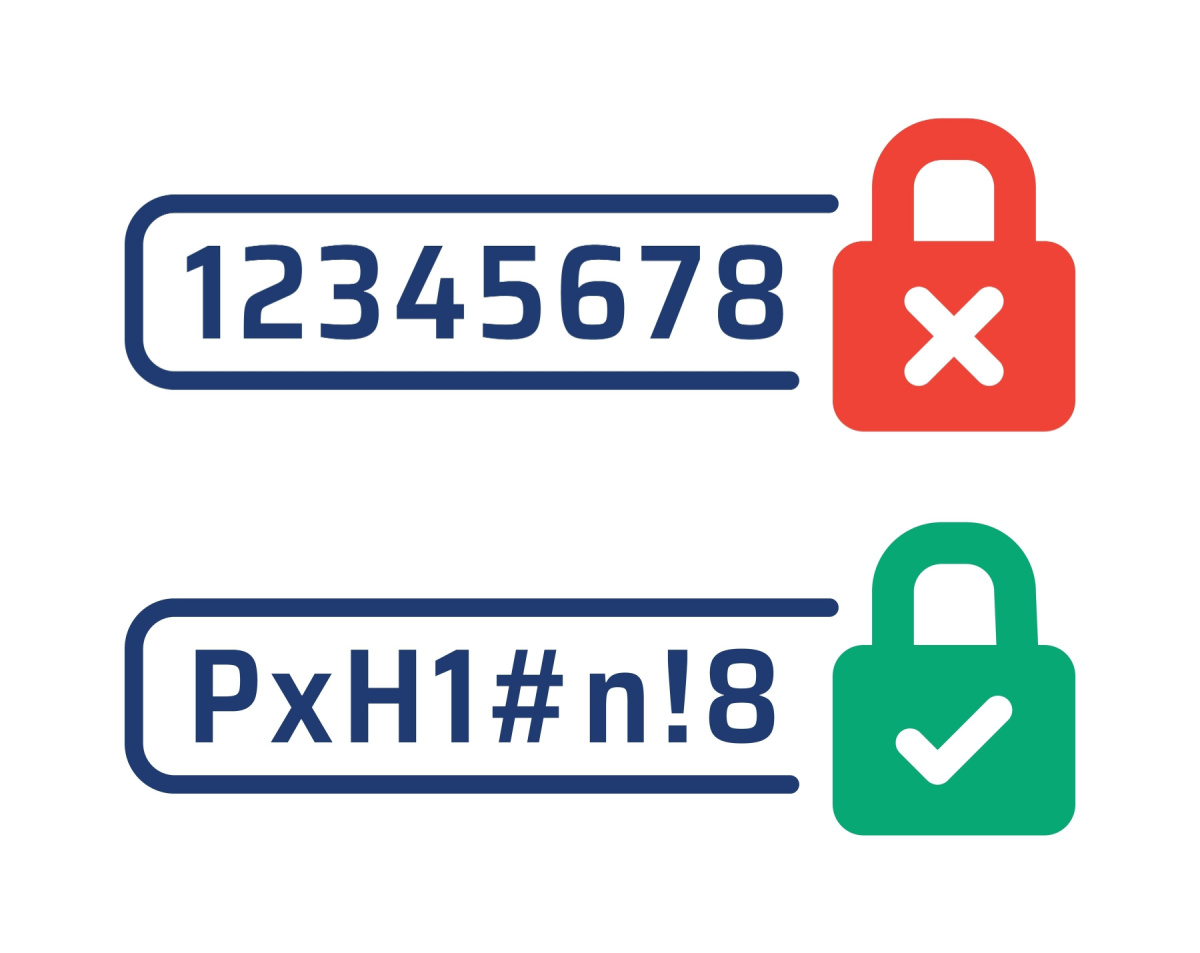
- Use of Variability: Mix uppercase letters, lowercase letters, numbers, and special characters. For instance, instead of “Password123”, use “P@ssw0rd!23”.
- Passphrases: Consider using a memorable phrase that incorporates spaces or special characters. For example, “ILove$ummer2023!” is easier to remember while remaining secure.
- Avoid Common Words: Steer clear of easily guessable information like birthdays or names.
- Randomization Tools: Employ a password manager to generate and store your Strong Passwords securely.
Comparison Table:
| Technique | Description | Security Level |
|---|---|---|
| Length Over Complexity | Longer passwords are harder to crack | High |
| Variability | Mixing characters increases complexity | High |
| Passphrases | Easy to remember yet complex | Moderate-High |
| Avoid Common Words | Prevents easy guessing | High |
| Randomization Tools | Automated creation for maximum strength | Very High |
By integrating these techniques, you can significantly enhance the security of your financial accounts.
Tools and Resources for Password Management
Utilizing the right tools can simplify your password management and enhance your security. As the landscape of cybersecurity evolves, various applications and resources are designed to help you create and manage strong passwords efficiently.
- Password Managers: These applications can generate, store, and autofill your passwords. Popular options include:
- LastPass: Provides secure storage and offers a free tier.
- 1Password: Known for its user-friendly interface and security features.
- Bitwarden: An open-source option that offers both free and premium plans.
- Password Generators: Tools like StrongPasswordGenerator.com allow you to create robust passwords on the fly.
- Two-Factor Authentication: Utilizing additional layers of authentication, such as Google Authenticator, can significantly increase your account security.
| Tool/Resource | Main Feature | Cost |
|---|---|---|
| LastPass | Secure storage & autofill | Free/Premium |
| 1Password | User-friendly design | Subscription fee |
| Bitwarden | Open-source & affordable | Free/Premium |
“Investing time in choosing the right tools for managing your passwords is essential for financial peace of mind.” By employing these resources, you not only protect your accounts but also streamline your digital experience.

Best Practices for Safeguarding Passwords
To ensure your financial accounts remain secure, follow these best practices for safeguarding your passwords:
| Practice | Description |
|---|---|
| Use Multi-Factor Authentication | Enable this feature for an additional layer of security. |
| Regularly Update Passwords | Change passwords every 3 to 6 months to enhance security. |
| Avoid Password Sharing | Never share your passwords, even with trusted individuals. |
| Beware of Phishing Attempts | Be cautious of unsolicited communications asking for passwords. |
| Use Unique Passwords | Ensure each account has a distinct password to reduce risk. |
By implementing these strategies, you greatly reduce the risk of unauthorized access. Remember, creating Strong Passwords is just the first step; taking proactive measures to protect them is essential for your financial security.
Frequently Asked Questions
What makes a password strong enough for financial accounts?
A strong password for financial accounts should be at least 12 characters long and include a mix of uppercase letters, lowercase letters, numbers, and special symbols. It should avoid using easily guessed information such as your name, birthday, or common words. A robust password also lacks any predictable patterns, making it harder for attackers to crack through brute force or dictionary attacks. Utilizing a passphrase made up of random words or a password manager for generating complex passwords can further enhance strength.
Should I use the same password across multiple financial accounts?
No, you should never use the same password across multiple financial accounts. If one account is compromised, it puts all your other accounts at risk. Each financial account should have its own unique password to ensure that an intrusion on one does not lead to breaches of others. Using a password manager can help you keep track of different passwords securely without having to remember each one individually.
How often should I change my passwords for financial accounts?
It’s advisable to change your passwords for financial accounts at least every six months, or sooner if you suspect any potential breach or notice unusual activity. Frequent password changes minimize the risk of unauthorized access. Additionally, employing a strategy where you change your password after receiving security alerts from your banking institution is a good practice. This proactive measure helps protect your financial information and assets.
Can two-factor authentication improve the security of my financial accounts?
Yes, enabling two-factor authentication (2FA) can significantly enhance the security of your financial accounts. 2FA adds an extra layer of protection by requiring not only your password but also a second form of verification, such as a code sent to your mobile device or email. This means that even if someone manages to steal your password, they would still need access to the second factor to gain entry to your account, greatly reducing the risk of unauthorized access.