Identity Theft Explained and How to Protect Yourself
In today’s digital world, where personal information is more accessible than ever, the threat of identity theft looms larger than we might think. From financial fraud to emotional distress, the implications of having your identity stolen can be devastating. As technology continues to evolve, so do the tactics employed by identity thieves, making it crucial for individuals to be informed and vigilant. In this comprehensive guide, we’ll explore the common types of identity theft, how to recognize the warning signs, and effective strategies for Identity Theft Protection. Additionally, we will outline practical steps to take if you ever find yourself falling victim to this insidious crime. Stay ahead of the curve and empower yourself with the knowledge to safeguard your identity.
Understanding Identity Theft and Its Implications
Identity theft is a serious crime that involves the unauthorized use of someone’s personal information, such as Social Security numbers, bank account details, or credit card information. Understanding this issue is crucial as it can lead to severe financial loss and emotional distress. Here are some key implications of identity theft:
- Financial Consequences: Victims can face significant monetary loss, potentially affecting credit ratings and future borrowing capabilities.
- Emotional Impact: The stress and anxiety associated with identity theft can take a toll on an individual’s mental health.
- Legal Issues: Rectifying identity theft can involve numerous legal proceedings, which may require time and financial resources.
To provide a clearer picture, here’s a table summarizing the primary implications of identity theft:
| Implication | Details |
|---|---|
| Financial Loss | Immediate reduction in funds, increased debt, and potential bankruptcy. |
| Credit Damage | Negative marks on credit reports affecting loan applications and interest rates. |
| Time Consumption | Lengthy processes involved in restoring identity and disputing fraudulent accounts. |
| Psychological Stress | Increased anxiety, loss of trust in financial institutions, and ongoing worry. |
To mitigate these risks, investing in Identity Theft Protection services can offer peace of mind and security today.

Common Types of Identity Theft
Identity theft can take on various forms, making it crucial to understand the different methods criminals use to exploit personal information. Here are some of the most common types:
| Type of Identity Theft | Description |
|---|---|
| Financial Identity Theft | Involves using another person’s information to open credit accounts, make purchases, or secure loans without consent. |
| Medical Identity Theft | Occurs when someone uses another person’s identity to receive medical care or services, leading to fraudulent billing. |
| Criminal Identity Theft | Happens when an individual uses someone else’s name to commit a crime, often resulting in arrests and legal issues for the victim. |
| Social Security Number Theft | Involves the unauthorized use of someone’s Social Security number for illegal activities or obtaining benefits. |
“Understanding these types can help you stay vigilant against potential threats. Remember, Identity Theft Protection is not just about having a plan but knowing the risks involved.” By recognizing the various forms of identity theft, individuals can proactively protect themselves by monitoring their accounts and being cautious about sharing personal information.
How to Recognize the Signs of Identity Theft
Recognizing the signs of identity theft early can save you significant anxiety and financial loss. Key indicators to watch for include:
- Unexplained Transactions: Review your bank statements regularly. Unexpected charges or withdrawals could signal unauthorized access.
| Red Flags | Description |
|---|---|
| Unfamiliar Accounts | Discovering new accounts you didn’t open |
| Credit Report Changes | Sudden drops in your credit score without reason |
| Collection Calls | Being contacted by debt collectors for debts owed you didn’t incur |
Additionally, pay attention to notifications from financial institutions. Alerts about strange activities, or declined transactions for insufficient funds, are also common signs. Lastly, if you receive bills for products or services you didn’t order, it’s time to take action. By staying vigilant, you can enhance your Identity Theft Protection and potentially avoid a devastating experience.
Effective Strategies for Identity Theft Protection
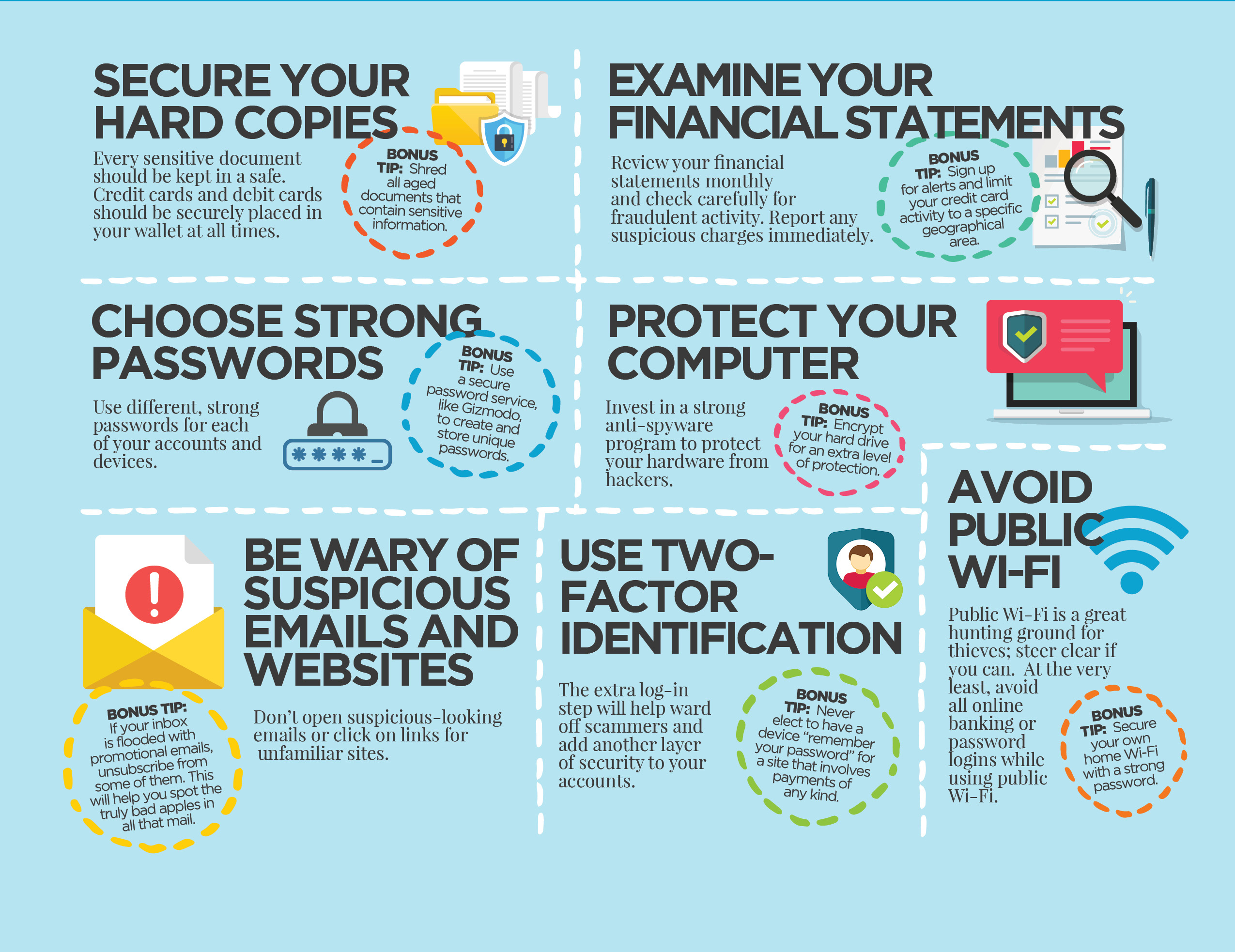
Implementing proactive measures is crucial to safeguarding your personal information. Here are some effective strategies to consider:
- Strong Passwords: Create unique, complex passwords for each of your accounts. Utilize combinations of upper and lower case letters, numbers, and special characters.
- Two-Factor Authentication (2FA): Enable 2FA whenever possible. This extra layer of security can make a significant difference in protecting your accounts.
- Monitor Financial Statements: Regularly check your bank and credit card statements for unauthorized transactions. Report any suspicious activity immediately.
| Strategy | Action Item |
|---|---|
| Use Strong Passwords | Change passwords every 3-6 months and avoid repeats. |
| Enable Two-Factor Auth. | Set up 2FA on email and financial accounts. |
| Install Anti-Virus Software | Protect your devices from malware and phishing attempts. |
“Stay vigilant and educate yourself about the risks and solutions available.” By adopting these strategies, you can significantly reduce the chances of becoming a victim of theft and keep your personal data secure.

What to Do If You Fall Victim to Identity Theft
Experiencing identity theft can be overwhelming, but taking prompt action is crucial. Follow these steps to mitigate damage and regain control:
| Step | Action |
|---|---|
| 1. Report It | Notify your bank, credit card companies, and relevant agencies immediately. |
| 2. File a Report | Create a report with local law enforcement and the Federal Trade Commission (FTC). |
| 3. Monitor Accounts | Keep a close watch on your financial statements and check your credit reports for unauthorized activities. |
| 4. Place a Freeze | Contact credit bureaus to place a freeze on your credit to prevent new accounts from being opened in your name. |
| 5. Consider Identity Theft Protection | Enroll in Identity Theft Protection services for ongoing monitoring and recovery assistance. |
By following these steps, you’ll take proactive measures to safeguard your finances and personal information. Don’t let identity theft define your life; act decisively to reclaim it.
Frequently Asked Questions
What is identity theft and how does it occur?
Identity theft is the act of acquiring and using someone’s personal information, such as their Social Security number, credit card details, or bank account information, without their permission. This can happen through various means, such as phishing scams, where attackers trick individuals into providing their data via fake emails or websites, or through data breaches, where hackers gain unauthorized access to databases containing sensitive information. Additionally, identity theft can occur in more direct ways, like stealing physical documents or accessing someone’s accounts through social engineering.
What are some signs that I may be a victim of identity theft?
There are several warning signs that might indicate you are a victim of identity theft. These include receiving unexpected bills or account statements, discovering unfamiliar accounts opened in your name, or being notified about unauthorized transactions on your bank or credit card statements. Furthermore, if you experience sudden issues with your credit score, such as significant decreases without an apparent reason, that can also signal potential identity theft. It’s essential to monitor your financial accounts regularly and act quickly if you spot any discrepancies.
How can I protect myself against identity theft?
To protect yourself from identity theft, adopt a multi-layered approach. Start by using strong, unique passwords for your online accounts and activate two-factor authentication wherever possible. Be vigilant about sharing personal information; limit what you disclose on social media and be cautious of unsolicited communications asking for your details. Regularly monitor your bank accounts and credit reports for any signs of fraudulent activity. Additionally, consider using identity theft protection services that can provide ongoing monitoring and assistance in case your information is compromised.
What should I do if I suspect my identity has been stolen?
If you suspect that your identity has been stolen, it’s crucial to act swiftly. Start by contacting your bank and credit card companies to report the issue and freeze your accounts. Next, file a report with the Federal Trade Commission (FTC) at IdentityTheft.gov, where you’ll receive a recovery plan. Additionally, contact one of the three major credit bureaus to place a fraud alert on your credit report, which makes it harder for identity thieves to open accounts in your name. Finally, consider filing a police report to create an official record of the theft.